
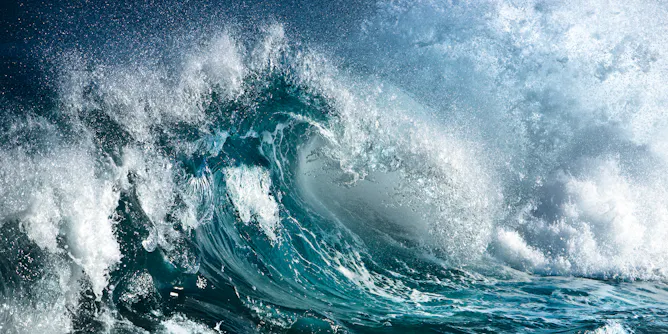
Scientists in Japan have discovered a way to ‘hear’ storms on the other side of the planet and use them to study the Earth’s crust.
Articles on Storms
Displaying 161 - 180 of 187 articles
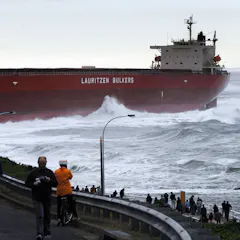
Most people in Australia’s southeast are familiar with the stormy weather known as East Coast Lows. But they might not realise how much scientific progress has been made in understanding them.
Was Malcolm Turnbull right to say that larger and more frequent storms are one of the predicted consequences of climate change – but that you can’t attribute any particular storm to global warming?
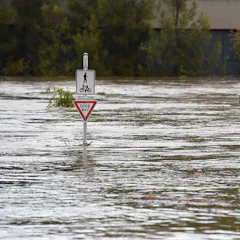
A total of 1,859 people have died in floods in Australia in the past 115 years.
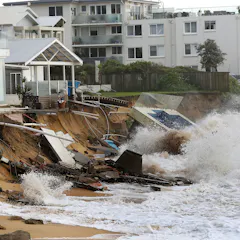
Eastern Australia’s massive storms will likely become rarer in a warmer world, but probably more intense.
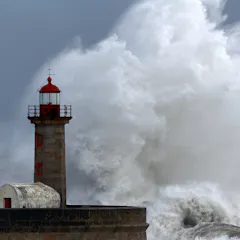
Climate change isn’t the only thing making sea levels higher and cyclones more intense.
Instead of trying to maintain our usual routines in the face of huge disruptions, we should use them as a welcome opportunity to mix things up.
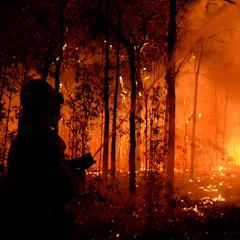
When disaster strikes, more people than ever are turning to social media to find out if they’re in danger. But Australian emergency services need to work together more to learn what works to save lives.
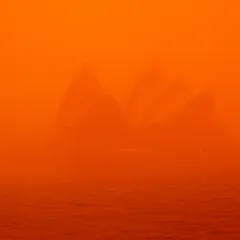
The dust storm that turned Sydney red in 2009 triggered plankton blooms in the Tasman Sea, demonstrating how we might fertilise the ocean to take up more carbon dioxide.

Astronauts living on the ISS get to experience the wonders of the universe’s natural phenomena like no one else.
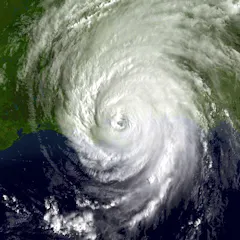
The latest science on hurricanes and climate change explained – vital information for coastal regions to prepare for the effects of more intense storms.
Study finds higher risk of flooding from a combination of storm surge and heavy precipitation, particularly along the East Coast of the US.
Climate warming is predicted to intensify rainfall patterns. But new research suggests this could even happen within individual storms, as warmer weather makes them more likely to contain short intense bursts.
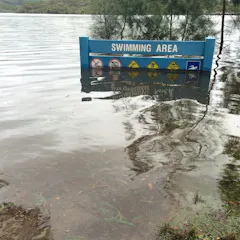
Extreme rainfall in Sydney is increasing - but only in summer, potentially leading to more flash floods in the city.
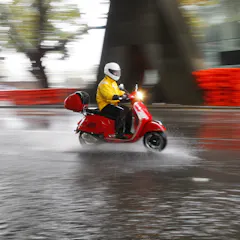
The recent wild weather that lashed New South Wales has been described as ‘once-in-a-century’. But how often does it really happen?
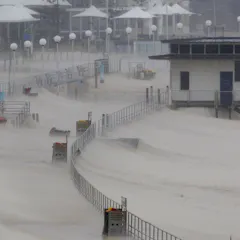
What causes the wild weather that’s hit Sydney and central New South Wales over the past 24 hours?

For a long time climate models have forecast increasing rainfall in tropics. Now we know part of the reason: clumpy thunderstorms.

On December 28, AirAsia flight QZ8501 crashed into the sea between Indonesia and Singapore. Shortly before the crash, the pilots requested an alteration to the flight route due to severe weather. While…
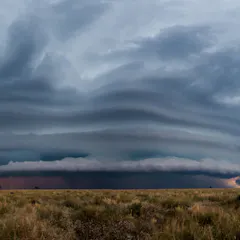
The supercell that hit Brisbane on November 27 this year caused more than A$500 million worth of damage, produced hail up to 7.5 cm in diameter, and lashed the city with winds of more than 140 km an hour…
A dramatically-named “weather bomb” exploded across the UK in the past week, bringing winds gusting up to 144mph on outlying islands. But despite the cool name these “bombs” are more common than you might…
Top contributors
-

Professor of Geology and Environmental Geosciences, University of Dayton
-
Adjunct Professor of Environmental Geography, CQUniversity Australia
-
Research Scientist, Australian Bureau of Meteorology
-
Professor of Atmospheric Science and Colorado State Climatologist, Colorado State University
-
Professor, Climate Change Research Centre, UNSW
-
Meteorologist and Research Program Manager, University of Wisconsin-Madison
-
Distinguished Scholar, National Center for Atmospheric Research; Affiliate Faculty, University of Auckland, Waipapa Taumata Rau
-
Professor of Geography & Environmental Systems, Associate Dean of the Graduate School, University of Maryland, Baltimore County
-
Professor of Geography, University of Tennessee
-
Assistant Professor of Geography, Middle Tennessee State University
-
Professor of Meteorology, Senior Associate Dean for Undergraduate Education, Penn State
-
Professorial Fellow, School of Earth Sciences, The University of Melbourne
-
Distinguished Professor of Meteorology, Penn State
-
Professor of Physical Geography, University of the Witwatersrand
-
Principal Research Scientist in Extreme Weather, The University of Melbourne