
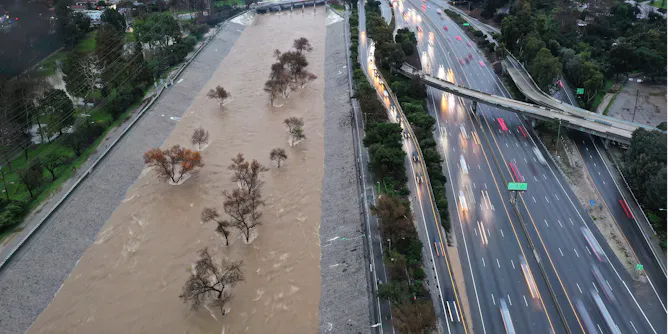
A new study connects early winter heat high up on the plateau to the jet stream and, ultimately, storms headed for the US coast. The results could mean better forecasts.
Articles on Atmospheric science
Displaying 1 - 20 of 144 articles

Venus and Earth share some atmospheric quirks – but how did Venus get so unbearably hot, while Earth is mild and temperate?
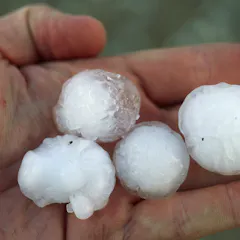
Costs from severe storms are increasing – and this global shift in hailstorm spells bad news for crops, too.

You can feel wet when you can see water and when you can’t see water. You can also feel dry even when there’s a lot of water vapor in the air – like during a fire.
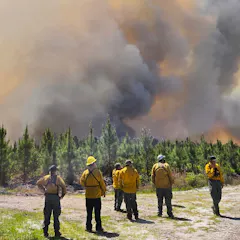
The southeastern US has been in drought for months. With the wind and unusually low humidity, it’s facing perfect conditions for wildfires spreading.
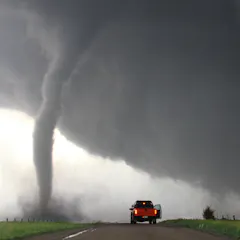
When you’re inside a vortex, your body experiences things the news cameras can’t capture.

The answer has to do with the air we breathe and that bright white snowpack, as an atmospheric scientist in Colorado explains.
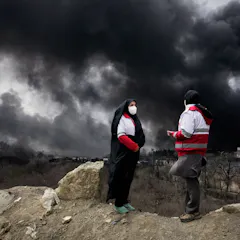
This rain would include acids but also likely many other pollutants harmful to humans and the environment. It may be worse than the term ‘acid rain’ conveys.
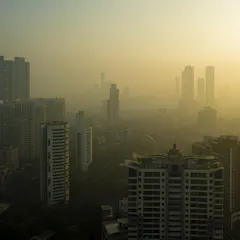
New research reveals that the adverse environmental and health impacts of atmospheric dust in the world’s rapidly growing megacities deserve far more attention.

The atmosphere is a complicated place. Warm temperatures in one spot can contribute to brutally cold storms somewhere else.
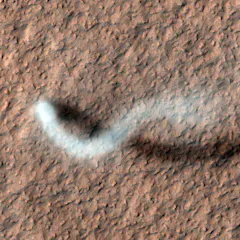
A rover recently captured sounds of lightning crackling on Mars, over a decade after scientists uncovered the first evidence for electric discharges on the planet.
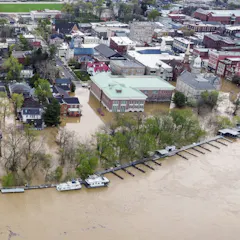
The US had a rare year without a hurricane make landfall, but it saw too much extreme rainfall and flash flooding across the country.

Removing so-called ‘short-lived climate pollutants’ from the atmosphere could reduce global warming – fast.

Tropical storms are guided by many different wind patterns: big, like the Bermuda high, and small. A hurricane researcher explains their role in why so many storms veered off into the Atlantic in 2025.

The US is set to shut down a crucial satellite that monitors how much carbon is in the atmosphere.

From rising global temperatures to the fast-warming Arctic, early climate models predicted the changes half a century ago.
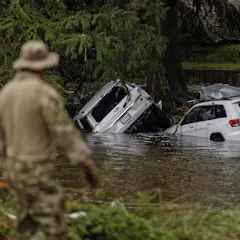
Large parts of the central and eastern U.S. have seen at least 50% more precipitation than normal. An atmospheric scientist explains why and what creates flash flood weather.
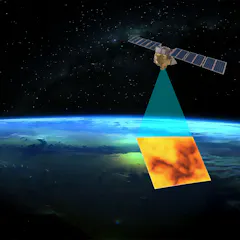
MethaneSat was developed to spot emission hot spots of invisible methane pollution from space. Without it, accurate methane monitoring will be incredibly difficult.
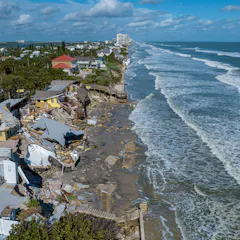
The Defense Meteorological Satellite Program has been particularly important for understanding when a hurricane is about to rapidly intensify, a dangerous situation for coastal communities.

Ice cores provide important evidence as archival records of global atmospheric composition that has constantly changed.
Top contributors
-

Professor of Geology and Environmental Geosciences, University of Dayton
-
Professor of Atmospheric Science, Colorado State University
-
Research Group Leader, CSIRO
-
Honorary Fellow, CSIRO
-
Professor of Climate Science, UMass Lowell
-
Professor of Atmospheric Sciences, Climate Change Research Centre, UNSW
-
Meteorologist and Research Program Manager, University of Wisconsin-Madison
-
Atmospheric Science Educator, Georgia Institute of Technology
-
Distinguished Professor of Meteorology, Penn State
-
Ph.D. Student in Atmospheric Science, University of Michigan
-
Professor of Geography, University of Tennessee
-
Professor of Atmospheric Science, University at Albany, State University of New York
-
Assistant Professor of Geography, Middle Tennessee State University
-
Professor of Atmospheric Science, Iowa State University
-
Professor Emeritus of Climate and Space Sciences and Engineering, University of Michigan