
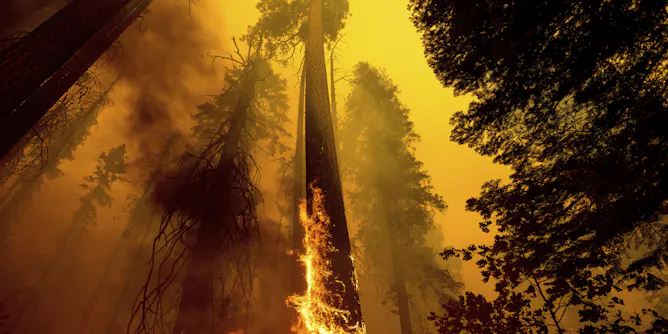
US disasters in 2021 told a tale of two climate extremes. A climate scientist explains why wet areas are getting wetter and dry areas drier.
Articles on Storms
Displaying 101 - 120 of 187 articles
The deaths of six Amazon employees at a factory hit by a tornado raises concerns over prohibitions on cellphones for workers.

Climate models can’t see tornadoes, but they can recognize the conditions for tornadoes to form. An atmospheric scientist explains what that means for forecasting future risks.
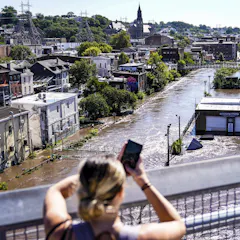
More than half of the world’s population lives in cities, and that share is growing. Rapid climate change could make many cities unlivable in the coming decades without major investments to adapt.
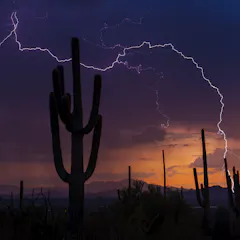
Monsoons are weather patterns that bring thunderstorms and heavy rains to hot, dry areas when warm, moist ocean air moves inland. They’re challenging to forecast, especially in a changing climate.
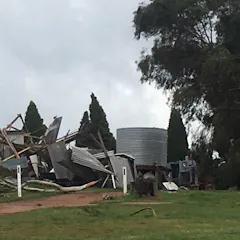
Australia has expansive areas of flat land — usually agricultural land — and it’s over these large, flat areas that tornadoes like to form.
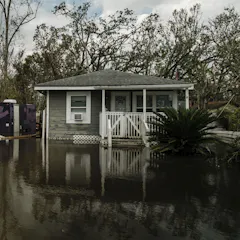
Rapid attribution studies reveal climate change’s influence on the weather, but they’re expensive and time-consuming.

Images of water gushing into subway stations filled social media following heavy rain in New York City. Solutions are at hand – but it takes money and political will, an expert explains.

A new study highlights disparities and proposes research priorities for advancing the use of small aerial drones in disaster management.

Water-related hazards are exceptionally destructive, and the impact of climate change on extreme water-related events is increasingly evident, a lead author of the new report warns.
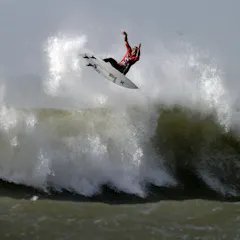
Olympic surfers are coming from around the world to compete in surfing’s Olympic debut. But where will the waves come from?
Could this disaster have been avoided? And under climate change, how can we prepare for more events like this?
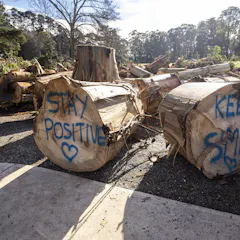
Three suburbs in Victoria have been warned against drinking tap water — even if they boil it first.
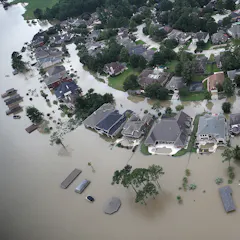
Flood plain statistics can be confusing. There are better ways to think about the risk of severe weather than 100-year storm or flood.
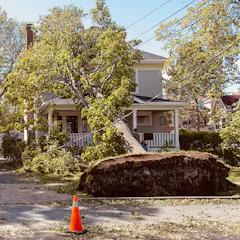
A better understanding of the science behind falling trees – followed by informed action – will help keep us safe and ensure trees continue to provide their many benefits.
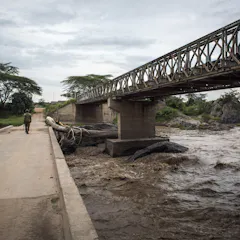
Governments must ensure that transport infrastructure is developed with the ability to cope with current and future climatic shifts.
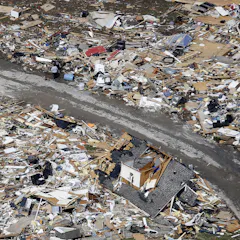
With the onset of spring come thunderstorms, and sometimes tornadoes. Learn how these systems form and why night tornadoes are especially deadly.
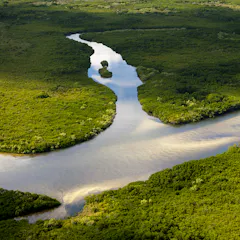
Wetlands bear the brunt of much storm damage to the coast. But over the past 300 years, 85% of the world’s wetland area has been destroyed.
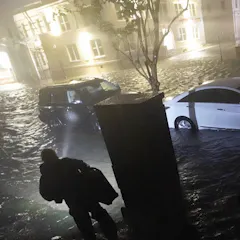
NOAA released its list of climate and weather disasters that cost the nation more than $1 billion each. Like many climate and weather events this past year, it shattered the record.
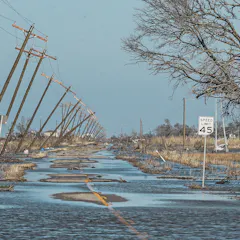
Many storms, heatwaves, fires and droughts slipped under the radar this year.
Top contributors
-

Professor of Geology and Environmental Geosciences, University of Dayton
-
Adjunct Professor of Environmental Geography, CQUniversity Australia
-
Research Scientist, Australian Bureau of Meteorology
-
Professor of Atmospheric Science and Colorado State Climatologist, Colorado State University
-
Professor, Climate Change Research Centre, UNSW
-
Meteorologist and Research Program Manager, University of Wisconsin-Madison
-
Distinguished Scholar, National Center for Atmospheric Research; Affiliate Faculty, University of Auckland, Waipapa Taumata Rau
-
Professor of Geography & Environmental Systems, Associate Dean of the Graduate School, University of Maryland, Baltimore County
-
Professor of Geography, University of Tennessee
-
Assistant Professor of Geography, Middle Tennessee State University
-
Professor of Meteorology, Senior Associate Dean for Undergraduate Education, Penn State
-
Professorial Fellow, School of Earth Sciences, The University of Melbourne
-
Distinguished Professor of Meteorology, Penn State
-
Professor of Physical Geography, University of the Witwatersrand
-
Principal Research Scientist in Extreme Weather, The University of Melbourne