
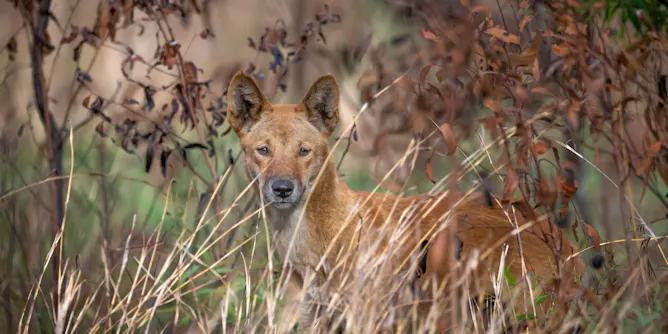
It’s time to reconsider our relationship with the dingo. By collaborating and drawing from both Indigenous and Western knowledge, we can find ways to live in harmony with our apex land predator.
Articles on Predators
Displaying 41 - 60 of 156 articles

According to a new UN report, invasive species do more than US$423 billion in damage worldwide every year. Four articles explore examples, from mollusks to poisonous fish.
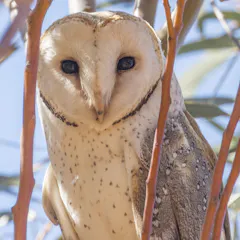
There’s shocking new evidence of rodenticide poisoning in Australia’s nocturnal predatory birds. High concentrations of the active ingredients were found in 92% of the 60 dead birds they tested.
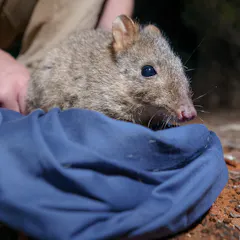
Woylies bred in wildlife havens were smaller and less flighty than their counterparts in the wild. This could jeopardise the success of repopulation programs.
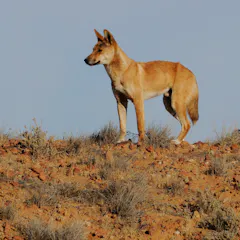
Dingoes are not wild dogs, research reveals. Most of the 307 wild animals sampled in this study were pure dingo. Australia’s apex predator deserves our respect after thousands of years on this land.
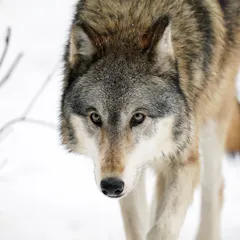
Reintroducing wolves can restore important ecological processes, but it can have unintended effects when smaller predators like coyotes are driven closer to people, a team of ecologists found.

Spiders liquefy their prey in order to consume it, and this makes it challenging to determine what spiders eat. A new approach that uses DNA barcoding is helping researchers figure out spider diets.

Shepherding livestock may be more effective protection than killing predators.
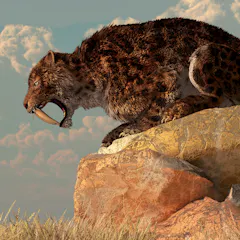
Researchers are analyzing the fossil cranium of a Smilodon fatalis that lived more than 13,000 years ago to learn more about the lifestyle of this iconic big cat.
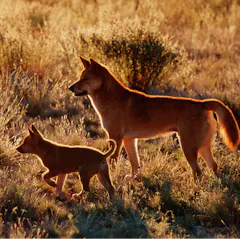
For more than 200 years, European farmers have killed dingoes to protect livestock. But living alongside dingoes benefits nature - and actually helps graziers
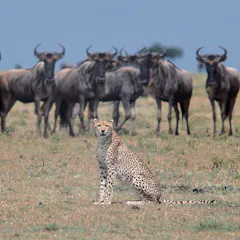
False alarms are common in prey animals, but what causes them and how can they be avoided?
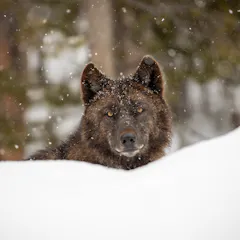
Less than a century ago, Colorado hunted, trapped and poisoned all the wolves within its borders. Today it’s restoring them – a change that reflects a profound shift in human thinking.
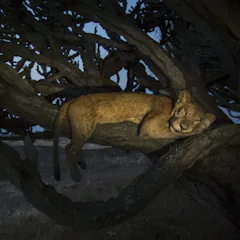
Developing countries suffer the most in the conflict between large carnivores and humans. We need better financial incentives for these communities to make sure these iconic predators are protected.

Rewilding is risky but we can learn from past attempts to use it as an effective tool for conservation
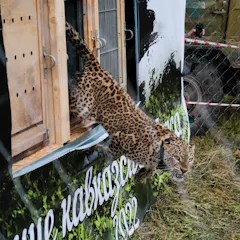
New research studies the factors that determine whether large carnivore reintroductions will be a success.
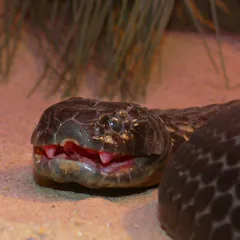
Less than a century ago, a slither of tiger snakes was abandoned on one of Western Australia’s tiny islets. Here’s how they adapted to survive.
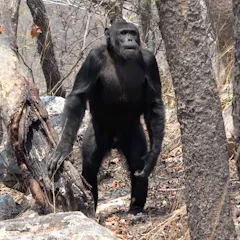
Almost all theories of human bipedalism explain it as a terrestrial adaptation. A new study does not support that view.
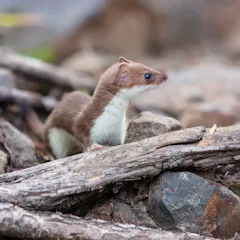
Polar bears and wolves may get the glory, but small predators like weasels, foxes and their cousins play outsized ecological roles. And many of these species are declining fast.
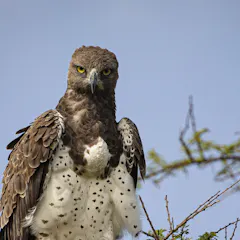
DDT accumulates in wildlife and magnifies up the food chain. Birds of prey occupy the top of these food chains in various ecosystems.

We hear a lot about how humans eating meat is bad for the planet. But if every animal only ate plants, Earth would look dramatically different.
Top contributors
-

Professor in Wildlife Ecology and Conservation, School of Life & Environmental Sciences, Deakin University
-
Honorary Research Fellow, University of Sydney
-
Associate Professor, Global Ecology, University of Sydney
-
Associate professor in Vertebrate Palaeontology, University of the Witwatersrand
-
Professor in Ecology, Charles Sturt University
-
Discovery Early Career Research Fellow, University of Sydney
-
Professor Emeritus in Terrestrial Ecology, University of Sydney
-
Professor, Murdoch University
-
Associate Professor of Behavioural Ecology, Curtin University
-
ARC Future Fellow, Queensland University of Technology
-
Research Fellow in Canid and Wildlife Genomics, UNSW
-
Professor, School of Biological Sciences, Monash University
-
Future Fellow in Ecology, Queensland University of Technology
-
Senior lecturer, UNSW
-
Senior Lecturer in Psychology, CQUniversity Australia