
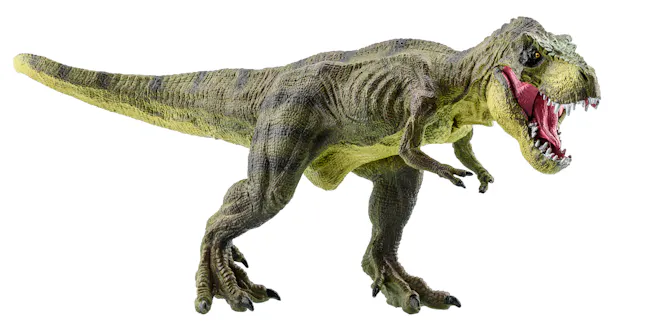
If humans had the same arm proportions as a T. rex, a 6-foot-tall person would have arms about 11 inches long.
Articles on Carnivores
Displaying 1 - 20 of 50 articles
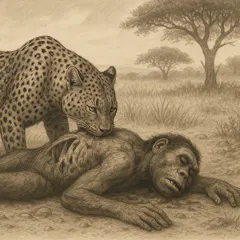
Paleoanthropologists have thought that Homo habilis was the first stone-tool maker and meat-eater in our genus. But new research suggests H. habilis might not have been so advanced.
New research highlights the prevalence of maggots as an easily obtained, nutrient-rich supplement of ancient hominin diets.

Management and protection of livestock is fundamental for reducing conflict with wildlife.

Not knowing exactly when regular meat consumption became part of our ancestors’ diets is a gap in our understanding of human evolution.

Studying carnivore ‘kill rates’ – typically the number of prey killed over time – can help us better understand the role of apex predators in ecosystems across the globe.

Colorado has spectacular scenery, but it comes with wild animals, and they sometimes wander into town. A ballot measure that would ban hunting wild cats is the latest test of public views on hunting.

About 80% of dogs and 40% of cats will fetch, a new study finds. Domesticating turned these carnivores’ hunting methods into a game.
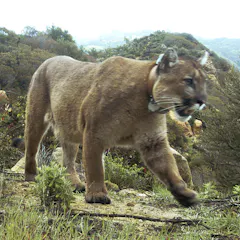
Modern rodenticides can kill rats with a single dose and readily pass up the food chain to larger carnivores. They are widely used and largely unregulated.
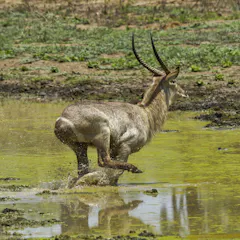
Cyclone Idai in Mozambique was an opportunity to test ideas about traits that help animals survive natural hazards.
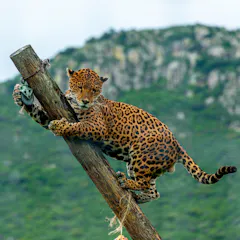
The results could indicate populations of more typical prey in southern Mexico are shrinking.
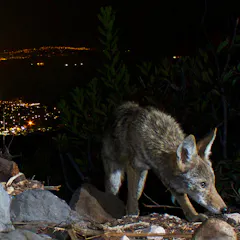
Setting guidelines for human coexistence with carnivores usually falls to local community leaders. An expert explains why the federal government should step in.
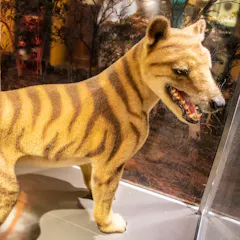
Brain samples of a thylacine that died in 1880 in Berlin were kept safe by researchers for decades. Now, they have finally been analysed.
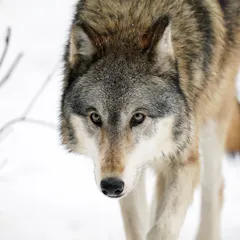
Reintroducing wolves can restore important ecological processes, but it can have unintended effects when smaller predators like coyotes are driven closer to people, a team of ecologists found.
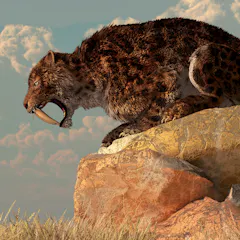
Researchers are analyzing the fossil cranium of a Smilodon fatalis that lived more than 13,000 years ago to learn more about the lifestyle of this iconic big cat.

These members of the mollusk family may be slow, small and slimy, but they are an indispensable part of the ecosystem.
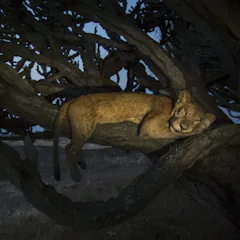
Developing countries suffer the most in the conflict between large carnivores and humans. We need better financial incentives for these communities to make sure these iconic predators are protected.
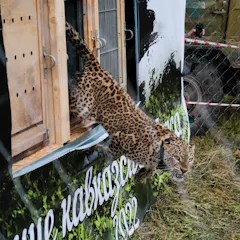
New research studies the factors that determine whether large carnivore reintroductions will be a success.

The findings suggest we weren’t the first advanced carnivore among the hominins, as has been previously assumed.

As omnivores, humans can choose to not consume any animal products. But what happens when we feed a vegan diet to our carnivore companions?
Top contributors
-

Professor in Wildlife Ecology and Conservation, School of Life & Environmental Sciences, Deakin University
-
Postdoctoral Research Fellow in the Department of Zoology, University of Venda, Researcher at IGDORE, and Honorary Research Fellow in the Department of Anthropology, Durham University
-
Professor of Fish, Wildlife, and Conservation Biology and Director, Center for Human-Carnivore Coexistence, Colorado State University
-
Associate lecturer, University of Venda
-
Assistant Professor in the Human Dimensions of Natural Resources, Colorado State University
-
Professor of Entomology, North Carolina State University
-
Professor of Environmental Studies, University of Wisconsin-Madison
-
PhD candidate, Penn State
-
Lecturer in the School of Applied Sciences, Edinburgh Napier University
-
Lecturer, RMIT University
-
Research Associate, North Carolina State University
-
Associate Professor of Applied Ecology, North Carolina State University
-
Adjunct professor, Universidad Nacional de La Pampa
-
Professor of Ecology, Natural Resources Institute, University of Greenwich
-
Professor of Philosophy, Arizona State University