
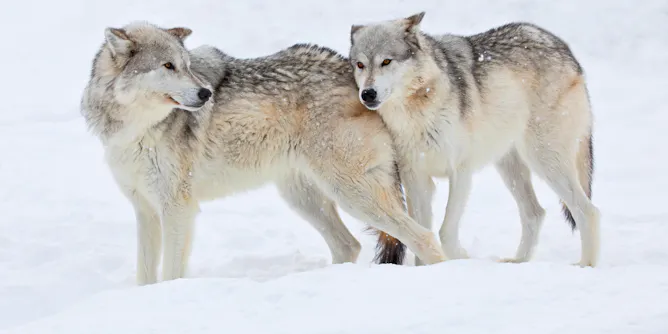
Yellowstone’s reintroduced wolves have become a famous conservation success story, but the reality is far messier.
Articles on Wolves
Displaying 1 - 20 of 64 articles

Wolves are a vital part of Canada’s rich biodiversity and are a culturally important species. Killing them to protect caribou repackages the colonial fear of the “big bad wolf.”
Endangered species are making their home in a massive wild zone around the derelict Chernobyl nuclear plant.
New research shows how identity-driven assumptions can turn common ground into conflict.
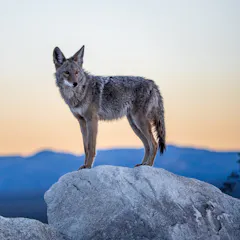
Wolves and coyotes feed on similar things – but their diets aren’t identical. A researcher studied predator diets to investigate their differences.
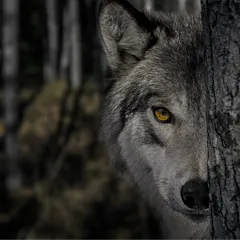
Our natural landscapes need wolves. And right now, wolves need all the good PR they can get.
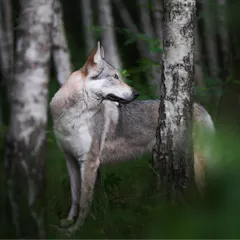
Today’s wolves and dogs share a common ancestor. But a deeper look at their genes reveals that interbreeding since dogs were domesticated 20,000 years ago hasn’t been as rare as scientists assumed.
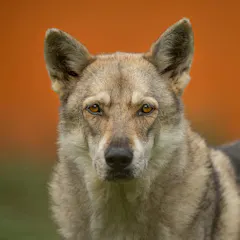
Two new studies suggest the story of dogs and their relationship with humans is older and more complex than once thought.

Current laws that deem species safe from extinction ignore their ecological role, geographic range and genetic diversity, as well as their relationships with people.
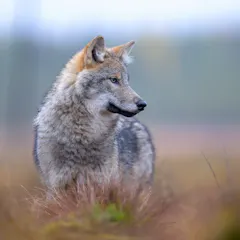
As wolves reappear, Danes are divided – a new poll shows just how much.

Claims of ‘bringing back’ any species take away focus from proven solutions that can actually fix the extinction crisis.
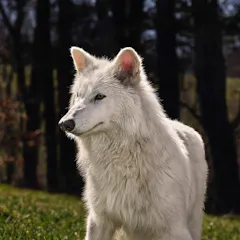
The animals are an imitation, but the technology used to create them could have wide-ranging applications.

The sleep behaviour of dogs explained.
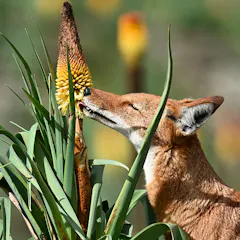
The Ethiopian wolf – Africa’s most endangered carnivore – has been found feeding on nectar.

Studying carnivore ‘kill rates’ – typically the number of prey killed over time – can help us better understand the role of apex predators in ecosystems across the globe.

You might expect scavengers such as vultures to have a diet high in dangerous bacteria. Our study investigated what defences these animals have to help them stay healthy.
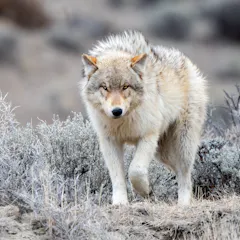
At one time, perhaps as many as 2 million gray wolves roamed the North American continent. But now those numbers are down to a few thousand.
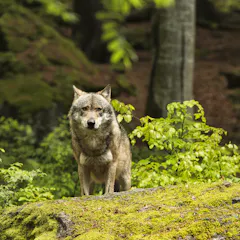
More Europeans are having to learn how to live alongside predators again. Listen to The Conversation Weekly podcast.
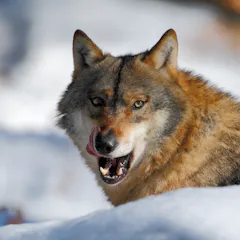
Why Arne Næss’s ideas of ‘deep ecology’ can help us live with wolves.

Understanding how animals think, learn and interact with one another can inform the science of ecology, as predator and prey shape their world.
Top contributors
-

Professor in Wildlife Ecology and Conservation, School of Life & Environmental Sciences, Deakin University
-
Postdoctoral Research Associate, Leverhulme Centre for Anthropocene Biodiversity, University of York
-
Environmental Social Scientist, Newcastle University
-
Associate Professor, Grimsö Wildlife Research Station, Swedish University of Agricultural Sciences
-
Associate Professor of Behavioural Ecology, Curtin University
-
Professor of Journalism and Chair, Knight Center for Environmental Journalism, Michigan State University
-
Associate Professor, Sociology, Athabasca University
-
Professor, Zoology & Director: Centre for African Conservation Ecology, Nelson Mandela University
-
Post-doc, University of Georgia
-
Post Doctoral Fellow Zoology and the Centre for African Conservation Ecology, Nelson Mandela University
-
Associate Professor, Veterinary Parasitology and Public Health, University of Saskatchewan
-
Professor and Sixth Century Chair of Human Palaeoecology, University of Aberdeen
-
Associate Professor, Global Ecology, University of Sydney
-
Postdoctoral Research Officer, University of Oxford
-
Reader in Palaeobiology, Liverpool John Moores University