
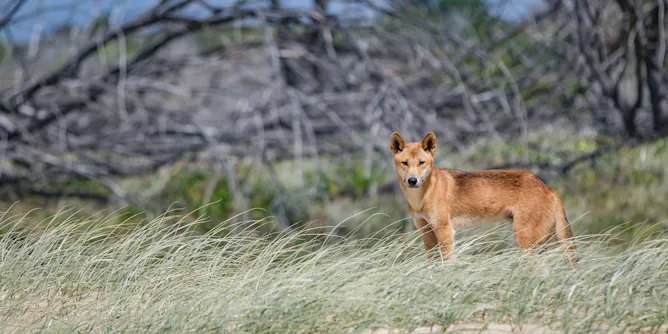
Ancient and modern dingo DNA reveals eight genetically distinct groups of dingoes – and the limited influence of domestic dog genes.
Articles on Dingoes
Displaying 1 - 20 of 73 articles
Following the death of a young backpacker, the Queensland government has killed dingoes seen near her body. But will this cull protect tourists?
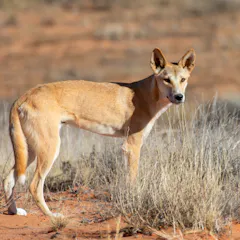
Just like everyone and everything else that was already in Australia when the First Fleet arrived in 1788, dingoes had to adapt to their new reality.

New research suggests dingoes are distinct enough to have their own scientific name. If this is accepted, it will have far-reaching consequences
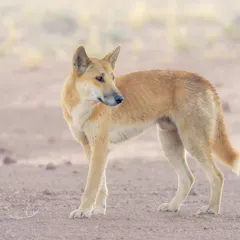
Despite public perceptions, sheep and cattle are not a favoured prey for some dingoes or foxes. So is culling them to protect livestock justified?

Chewing enriches the physical, psychological and emotional health of dogs in many interconnected ways.
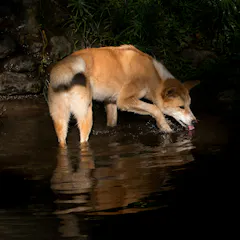
Dingo culling is allowed in Victoria’s east until 2028, raising questions over how we balance the needs of humans and animals.
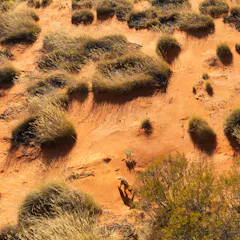
Feral cats, foxes and dingoes are routinely baited to protect wildlife and livestock. But does it matter what kind of bait is used? Do cats ignore it?
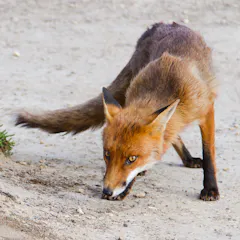
Even though 1080 is derived from native plants, not all of Australia’s native species are resistant to this lethal poison.
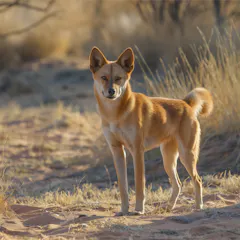
New genetic research shows dingoes are not breeding with domestic dogs in the wild. But that could change if lethal control measures continue to decimate populations in Victoria.

Studying carnivore ‘kill rates’ – typically the number of prey killed over time – can help us better understand the role of apex predators in ecosystems across the globe.
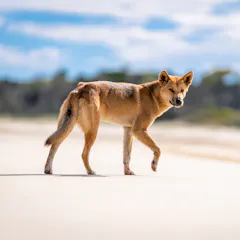
Dingo DNA study reveals an ancient population split and surprisingly recent links to New Guinea singing dogs.

We analysed photos of predators and prey from 3,667 camera traps in southwest Victoria. We found feral cats were more abundant and behaved differently in areas where foxes were baited.
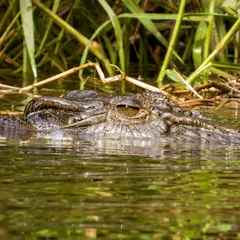
Invasive species such as deer, pigs and rabbits might help boost native predator populations.

Understanding how animals think, learn and interact with one another can inform the science of ecology, as predator and prey shape their world.
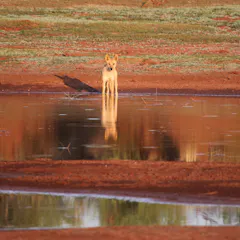
There’s been a long-standing debate over whether dingoes started out wild or domesticated. One thing is clear – they had a close relationship with First Peoples.
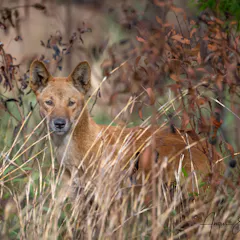
It’s time to reconsider our relationship with the dingo. By collaborating and drawing from both Indigenous and Western knowledge, we can find ways to live in harmony with our apex land predator.
The merits of the dingo fence are hotly debated, and there have been calls to pull it down. We need a better understanding of how the mega-structure affects species that live along it.
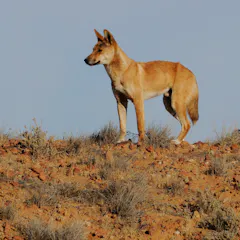
Dingoes are not wild dogs, research reveals. Most of the 307 wild animals sampled in this study were pure dingo. Australia’s apex predator deserves our respect after thousands of years on this land.
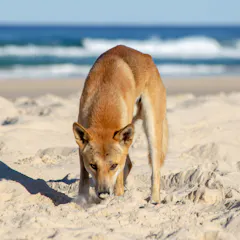
When we co-exist with predators, it’s inevitable to have dangerous encounters, especially when they’re habituated to people.
Top contributors
-

Professor in Wildlife Ecology and Conservation, School of Life & Environmental Sciences, Deakin University
-
Associate Professor, Global Ecology, University of Sydney
-
Research Fellow in Canid and Wildlife Genomics, UNSW
-
Professor, Evolution and Ecology Research Centre, UNSW
-
Senior Lecturer in Psychology, CQUniversity Australia
-
Associate professor, University of New England
-
Professor, University of Sydney
-
Peter Fleming is a Friend of The Conversation.
Research Leader, Predator and Prey Management, University of New England
-
Professor Emeritus in Terrestrial Ecology, University of Sydney
-
Honorary Research Fellow, University of Birmingham
-
Matthew Flinders Professor of Global Ecology and Node Leader in the ARC Centre of Excellence for Indigenous and Environmental Histories and Futures, Flinders University
-
Future Fellow in Ecology, Queensland University of Technology
-
Associate Professor of Behavioural Ecology, Curtin University
-
Professor of Conservation Biology, School of Life and Environmental Sciences, University of Sydney
-
Professor Emerita of Archaeology, The University of Western Australia