
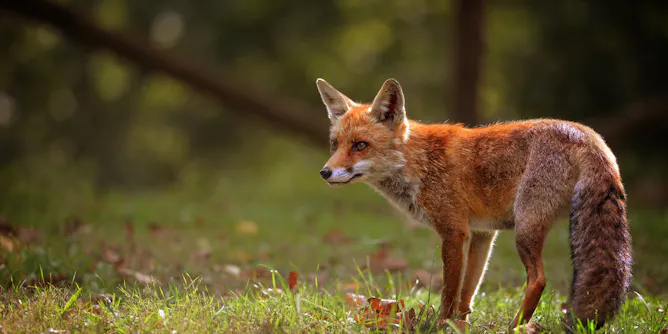
Some predators thrive after fires, other wilt – and one bird even starts them on purpose.
Articles on Predators
Displaying 101 - 120 of 156 articles

How did whales that feed on tiny prey evolve into the largest creatures on Earth? And why don’t they get even bigger?
Scientists have discovered how the wise old barn owl is so good at catching rodents.
Media coverage of sharks often exaggerates risks to people, but more than 500 shark species have never been known to attack humans, and there’s lots to learn about them.
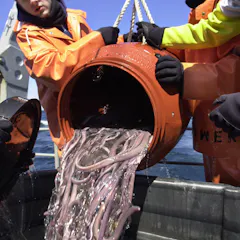
Hagfish have been called the most disgusting creatures in the ocean. But what are they?
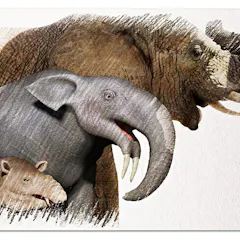
A shift in climate, along with other environmental disruptions and the invasion of competitors and new predators all likely played an important role in reshaping ancient elephants’ brains.
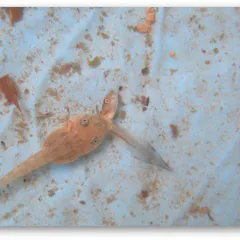
A new study reveals that it’s not only adult bullfrogs that pose a threat but their tadpoles do, too.
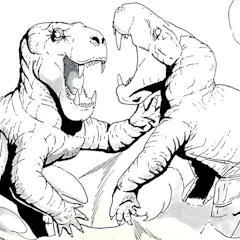
The discovery of a fossilised large predator is a rare event that offers insight into these beasts from the past.
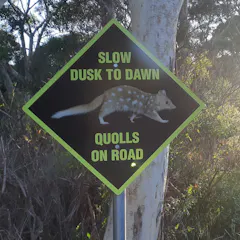
Rewilding is gaining popularity around the world, as a means to restore ecosystems to their ancient state. But just like Vegemite, Australian rewilding projects need to have a unique flavour.

Revealed: spotted hyaena are actually excellent hunters in their own right.
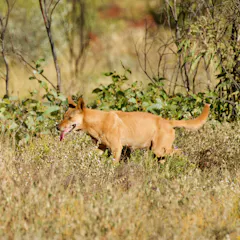
A survey of 32,000 samples of dingo droppings and stomach contents reveal that this predator’s appetite is as wide-ranging as Australia’s landscapes. But medium and large mammals are top of the menu.

The return of white sharks to Cape Cod, Massachusetts was a tourism success story – until a shark killed a swimmer. Can the Cape’s residents and visitors learn to share the ocean with these apex predators?
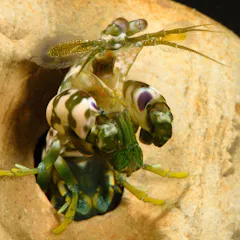
With superpowers other animals can only dream of, these crustaceans challenge sharks for the title of most amazing predator in the sea.
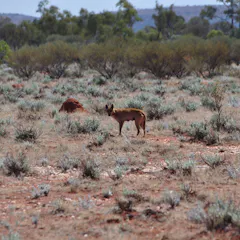
An attack on a WA mine worker has highlighted the danger of wild dingoes, particularly when attracted by humans’ food - one of the factors that can make an attack by wild predators much more likely.

A new way for leopard biologists to monitor this elusive and iconic species has been developed.
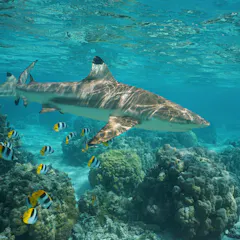
When humans have conflicts with wildlife, the first reaction is often to cull them. But there’s little evidence to show that it works, and removing predators can even backfire and make things worse.
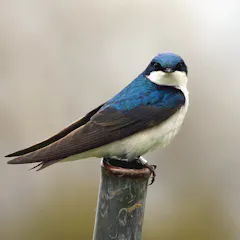
Effective conservation of migratory songbirds requires an understanding of how populations are connected between seasons. The challenge is being able to track individuals throughout the entire year.
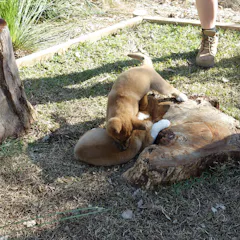
Dingoes increase cattle yields, mountain lions reduce car crashes and vultures eat organic waste: like them or not, predators help humans.
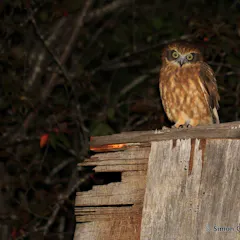
From falcons that hunt by the light of skyscrapers, to bears that sit in wait at weirs, animals are using human structures to help them catch a meal.
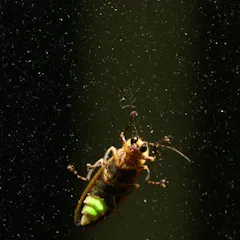
Beneath their beautiful, flashing facade some female fireflies are ruthless predators.
Top contributors
-

Professor in Wildlife Ecology and Conservation, School of Life & Environmental Sciences, Deakin University
-
Honorary Research Fellow, University of Sydney
-
Associate Professor, Global Ecology, University of Sydney
-
Associate professor in Vertebrate Palaeontology, University of the Witwatersrand
-
Professor in Ecology, Charles Sturt University
-
Discovery Early Career Research Fellow, University of Sydney
-
Professor Emeritus in Terrestrial Ecology, University of Sydney
-
Professor, Murdoch University
-
Associate Professor of Behavioural Ecology, Curtin University
-
ARC Future Fellow, Queensland University of Technology
-
Research Fellow in Canid and Wildlife Genomics, UNSW
-
Professor, School of Biological Sciences, Monash University
-
Future Fellow in Ecology, Queensland University of Technology
-
Senior lecturer, UNSW
-
Senior Lecturer in Psychology, CQUniversity Australia