
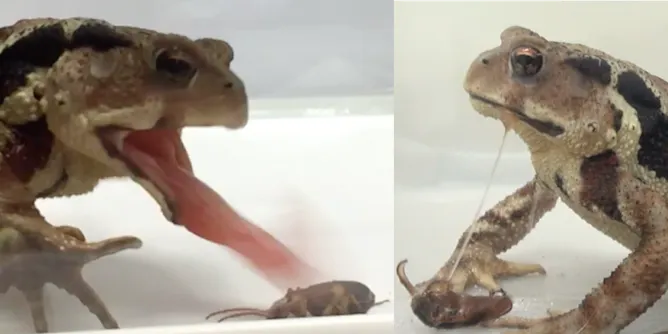
Meet the brawny bug with a concoction so caustic it’ll make a toad vomit.
Articles on Predators
Displaying 121 - 140 of 156 articles
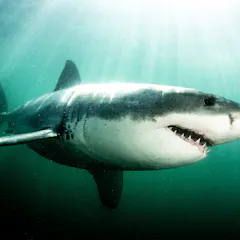
Interactions between sharks and humans happen in a variety of places. That means reducing conflict needs different interventions.

Fatal shark bites are very rare. But the stats do suggest that the likelihood of an attack proving fatal is higher in Australia - probably because our waters are home to the “big three” dangerous species.
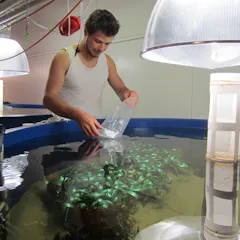
A new study suggests the benefits of a boost to marine plant growth from increased carbon dioxide will be cancelled out by the increased stress to fish species.
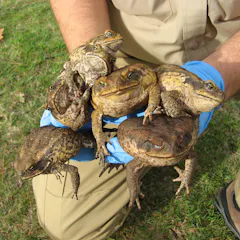
It sounds weird, but releasing small cane toads ahead of the main invasion front can help predators learn to avoid the biggest, most toxic ones. Here’s exactly how it works.
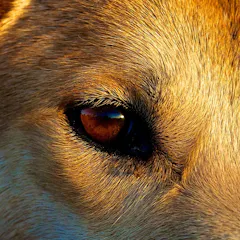
Wild dog attacks on livestock are devastating, but bounties and culling aren’t the answer.
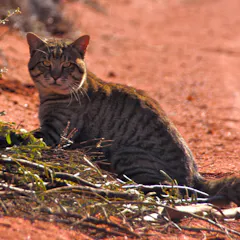
Cats, rats, foxes and other mammal predators have been implicated in 60% of the world’s animals extinctions.
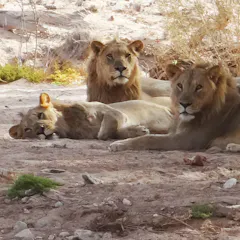
Ongoing drought means increased encounters between people and lions in north-west Namibia.
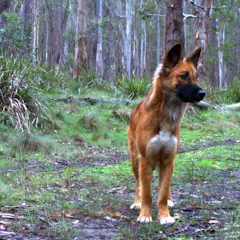
Dingoes are being used to kill feral goats in Queensland, but is this just another form of cruelty?

Do you know your parasites from your gut commensals? Read this and you will.
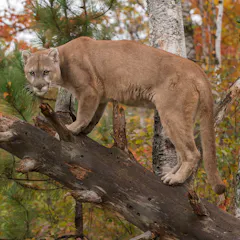
Carnivorous predators play an important, and until now unknown, role in preserving plant populations in the territories they inhabit.
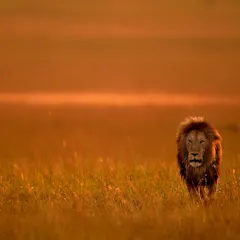
Forget fences and international agreements. This five-year study in the Serengeti has found the way forward.
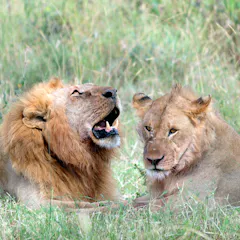
Kudu and buffalo altered their activity when lions and spotted hyena were reintroduced into the areas where these species lived.
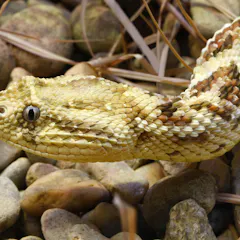
Puff adders have developed impressive techniques to avoid being detected by predators.
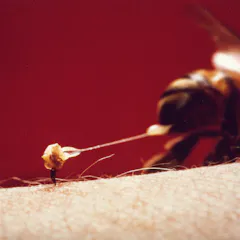
To understand why insects sting and why the stings of such tiny animals hurt so much, we first needed a way to measure the pain they cause. So I created a sting pain index.
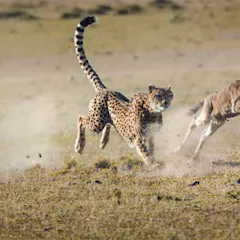
Predators aren’t living the easy life – most hunts are unsuccessful.
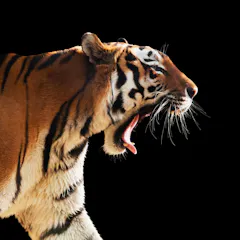
It is one of the most controversial questions in nature. Now a group of British researchers have shed light on the answer.
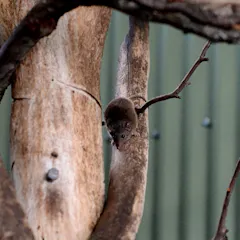
The decisions an animal makes when escaping a predator can mean the difference between life or death.
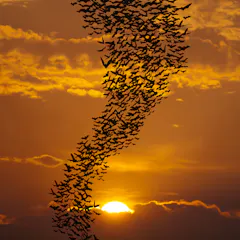
Bats have developed special attack mechanisms for hunting moths, and moths have responded by developing defence mechanisms to avoid being eaten.
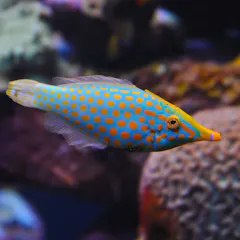
The animal kingdom is full of incredible examples of camouflage, with animals resembling objects found in their environment such as sticks or leaves, or displaying colour patterns that permit them to blend…
Top contributors
-

Professor in Wildlife Ecology and Conservation, School of Life & Environmental Sciences, Deakin University
-
Honorary Research Fellow, University of Sydney
-
Associate Professor, Global Ecology, University of Sydney
-
Associate professor in Vertebrate Palaeontology, University of the Witwatersrand
-
Professor in Ecology, Charles Sturt University
-
Discovery Early Career Research Fellow, University of Sydney
-
Professor Emeritus in Terrestrial Ecology, University of Sydney
-
Professor, Murdoch University
-
Associate Professor of Behavioural Ecology, Curtin University
-
ARC Future Fellow, Queensland University of Technology
-
Research Fellow in Canid and Wildlife Genomics, UNSW
-
Professor, School of Biological Sciences, Monash University
-
Future Fellow in Ecology, Queensland University of Technology
-
Senior lecturer, UNSW
-
Senior Lecturer in Psychology, CQUniversity Australia