
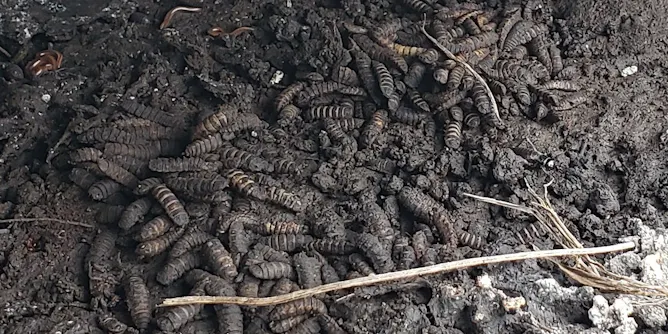
New research highlights the prevalence of maggots as an easily obtained, nutrient-rich supplement of ancient hominin diets.
Articles on Apex predators
Displaying 1 - 20 of 28 articles
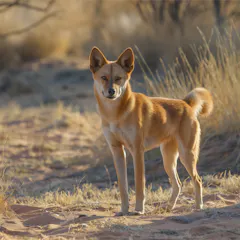
New genetic research shows dingoes are not breeding with domestic dogs in the wild. But that could change if lethal control measures continue to decimate populations in Victoria.

Studying carnivore ‘kill rates’ – typically the number of prey killed over time – can help us better understand the role of apex predators in ecosystems across the globe.

We analysed photos of predators and prey from 3,667 camera traps in southwest Victoria. We found feral cats were more abundant and behaved differently in areas where foxes were baited.
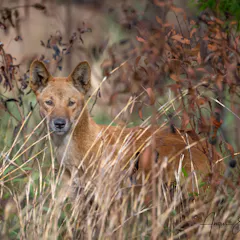
It’s time to reconsider our relationship with the dingo. By collaborating and drawing from both Indigenous and Western knowledge, we can find ways to live in harmony with our apex land predator.
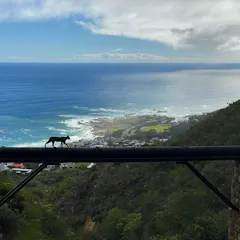
Caracals are most likely being exposed to metals like arsenic, lead and mercury through their diet.

By analyzing small samples of killer whale fat, scientists can learn about the diets of different killer whale populations. This has implications for our understanding of changing ecosystems.
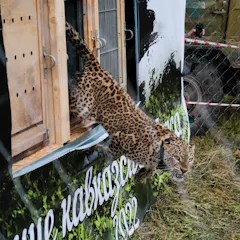
New research studies the factors that determine whether large carnivore reintroductions will be a success.

We hear a lot about how humans eating meat is bad for the planet. But if every animal only ate plants, Earth would look dramatically different.
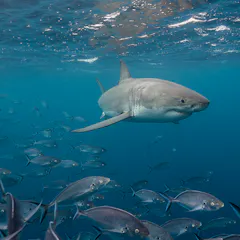
A species that is an “apex” predator in one environment won’t necessarily remain so in another.
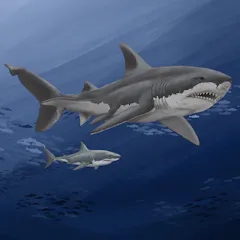
Megalodon, the world’s largest known shark species, swam the oceans long before humans existed. Its teeth are all that’s left, and they tell a story of an apex predator that vanished.
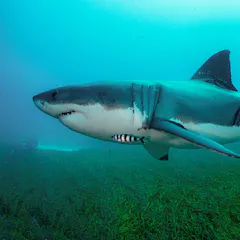
As authorities grapple with the best way to respond to the tragedy, it’s worth remembering all shark mitigation measures come with both merits and drawbacks – and none is a silver bullet.

The fossil of a gigantic ichthyosaur was recently discovered in the UK. It wasn’t the only creature lurking in the Jurassic oceans.
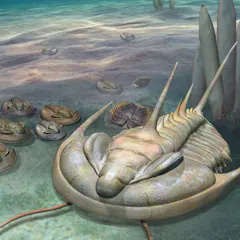
Looking a bit like enlarged woodlice, ancient trilobites crawled along the seabed and had an exoskeleton made of calcite — nature’s version of a suit of armour.
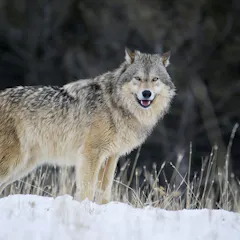
For the first time in the US, a ballot measure will ask voters whether to restore wolves to a place where they’ve been eradicated. Coloradans have strong views on both sides.
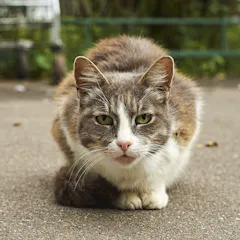
Framing cats as responsible for declines in biodiversity is based on faulty scientific logic and fails to account for the real culprit – human activity.
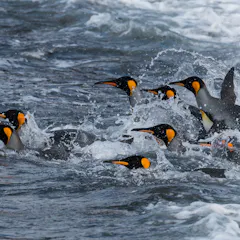
This study provides the first evidence that penguins emit sounds underwater when they hunt.
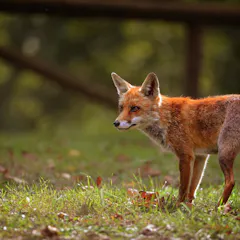
Some predators thrive after fires, other wilt – and one bird even starts them on purpose.

Europe is getting wilder as more people live in cities, but Naya’s death shows this trend may have limits.
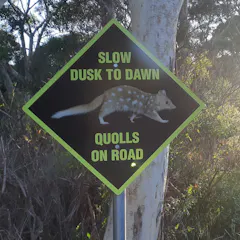
Rewilding is gaining popularity around the world, as a means to restore ecosystems to their ancient state. But just like Vegemite, Australian rewilding projects need to have a unique flavour.
Top contributors
-

Professor in Wildlife Ecology and Conservation, School of Life & Environmental Sciences, Deakin University
-
Associate Professor, Global Ecology, University of Sydney
-
Professor of Conservation Science, University of Newcastle
-
Professor of Environmental Studies, University of Wisconsin-Madison
-
Professor, Evolution and Ecology Research Centre, UNSW
-
Professor of Anthropology and Marine Affairs, University of Rhode Island
-
Associate Professor in Zoology, University of Tasmania
-
Lecturer, RMIT University
-
Marine Biologist, South African National Parks (SANParks); Honorary Research Associate, South African Institute for Aquatic Biodiversity (SAIAB), South African Institute for Aquatic Biodiversity
-
Postdoctoral Research Associate, University of Sydney
-
Senior Ecologist at the National Parks Association of NSW, Research Fellow, University of Sydney
-
Professor of Earth Sciences, University of New England
-
Chercheuse CNRS en bioacoustique, Université Paris-Saclay
-
Professor in Conservation Science, School of the Environment, The University of Queensland
-
Associate professor, Stellenbosch University