
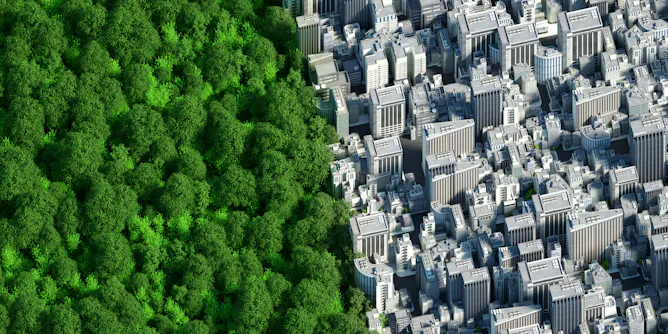
In this week’s episode of The Conversation Weekly, we speak with three scientists who study the ways plants and animals evolve in a world dominated by humans.
Articles on Pollution
Displaying 281 - 300 of 650 articles
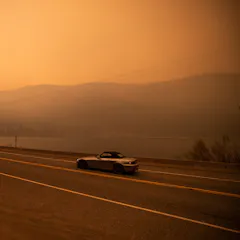
Brown carbon refers to a range of pollutants found in smoke from wildfires. They can contribute to global warming before they undergo a process that alters their chemical properties.
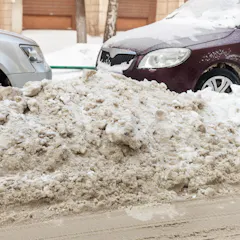
From persistent chemicals to exhaust particulate matter, snow accumulates highly toxic pollutants. Regulations are needed to address the impacts on water supplies and the food chain.
The air that arrives at Kennaook is said to be some of the cleanest in the world. I set up my camera and tripod, and started filming.
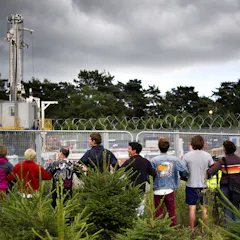
Fracking in the UK has a difficult history – economic theory suggests that whether fracking should occur is a simple case of consent and compensation.

Discarded pieces of landing gear, crashed spacecraft and wear and tear have produced a lot of debris that is now scattered around the Martian surface.
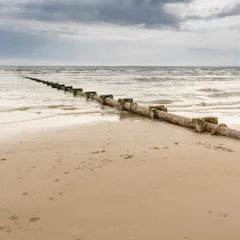
Water companies recently released raw sewage near more than 100 beaches across Britain.
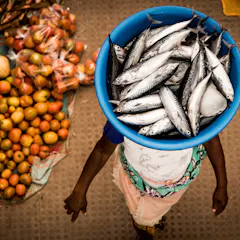
The ability of West Africa’s fisher women to cope or adapt in times of adversity should not let policymakers off the hook.
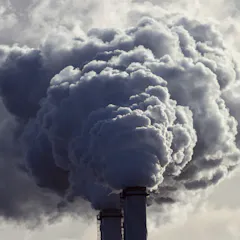
Climate bills in Australia and the US promise progress without carbon taxes or markets. Here’s why.
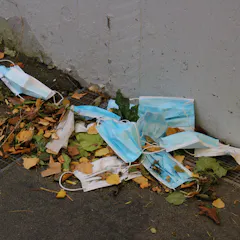
Billions of face masks and other personal protective equipment have been used throughout the pandemic. Containing plastic, these items are damaging wildlife and their environments.
Rainwater may be contaminated with chemicals and scientists are still uncertain about their effects.
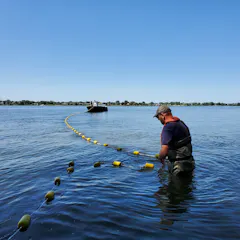
UV absorbents and industrial antioxidants are used in many household goods to protect them from UV radiation. They can have an adverse impact on ecosystems.
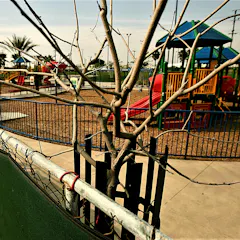
Climate change is colliding with old factory sites where soil or water contamination still exist, and the most vulnerable populations are particularly at risk.
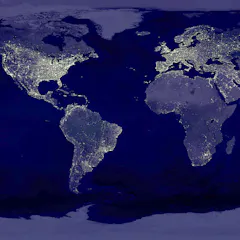
A 1972 report warned that unchecked consumption could crater the world economy by 2100. Fifty years and much debate later, can humanity innovate quickly enough to avoid that fate?

Caracals that hunt closer to urban areas where human population density is higher, have higher levels of chemicals in their systems.
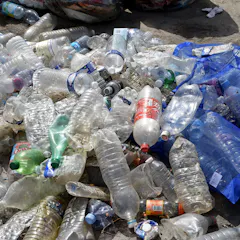
This Plastic Free July, we need to be teaching children to demand less plastic from the world’s worst producers instead of expecting change from individual recycling efforts.
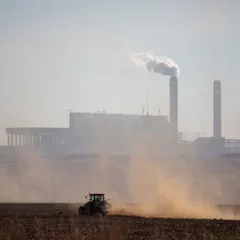
Johannesburg occasionally smells like rotten eggs. The wind brings the smell from the east or the southeast, where most industries are located.
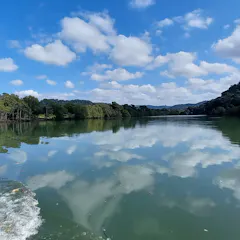
Estuaries shelter and offer respite to countless species of birds, fish and mammals.
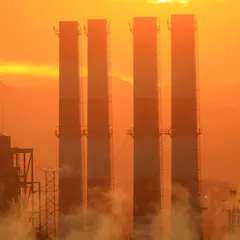
Thanks to humans, the concentration of planet-warming carbon dioxide in the atmosphere is now 50% higher than before the industrial era. These gases are raising Earth’s temperature.
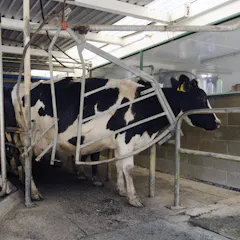
A new study of dairying in Canterbury shows previous estimates vastly underestimate the impact of intensive farming. A 12-fold reduction in cow numbers could be needed to meet safe water standards.
Top contributors
-

Honorary Professor, School of Natural Sciences, Macquarie University
-
Associate Professor in Environmental Science, Western Sydney University
-
Professor, UNSW Law & Justice and UNSW Institute for Climate Risk & Response, UNSW
-
Professor of Environmental Science, University of South Africa
-
ARC Future Fellow and Associate Professor in Climate Science, ARC Centre of Excellence for 21st Century Weather, The University of Melbourne
-
Emeritus Professor of Medicine, Adelaide University
-
Senior Principal Research Scientist, Environment, CSIRO
-
Senior Research Fellow at the Stockholm Environment Institute, University of York
-
Professor, Obafemi Awolowo University
-
Professorial Fellow, ARC Centre of Excellence for Coral Reef Studies, James Cook University
-
Professor of Biology, University of Portsmouth
-
Postdoctoral research fellow, University of the Ryukyus, Okinawa Japan, Madonna University, Nigeria
-
Associate Professor, Australian National University
-
Professor, Australian National University
-
Associate Professor and Water Management Expert, University of South Africa