
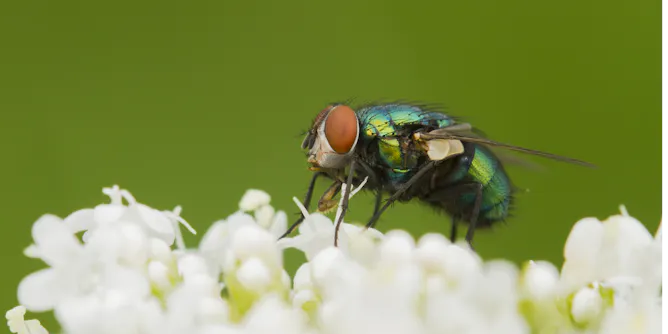
Next time you’re outside, say a silent thanks for the many unsung insect pollinators helping to keep our ecosystems healthy.
Articles on Pollination
Displaying 21 - 40 of 99 articles
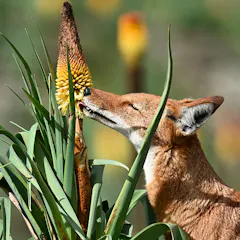
The Ethiopian wolf – Africa’s most endangered carnivore – has been found feeding on nectar.
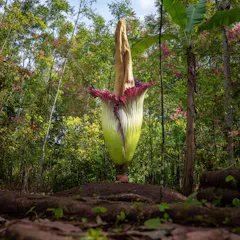
The stench of a rare corpse flower make us retch. But you’re not the target – the plant wants to lure carrion beetles and flesh flies
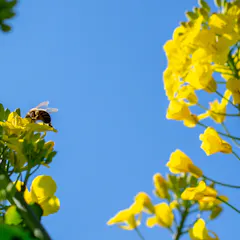
Our research shows this idea is likely to benefit bees more in summer than in spring.
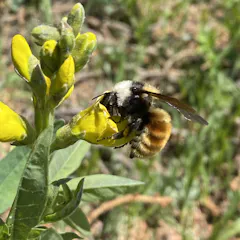
Decades-long environmental studies can reveal trends caused by climate change better than projects that last only a year or two.
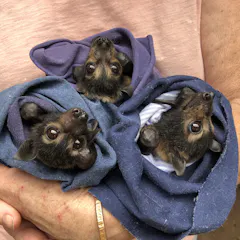
If a colony of flying foxes sets up in your backyard, you might be annoyed – or concerned. But these gentle bats are vital to our forests.
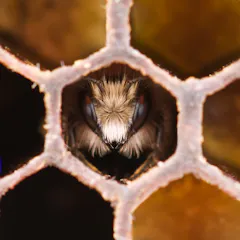
New research shows honeybee hive clusters are a sign of desperation, not insulation.

Two EU-funded projects are looking at high-tech solutions that could transform honeybee colonies into bio-hybrid entities.
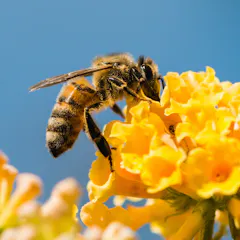
You’re a bee, and your favourite flower is out of nectar. What do you do?
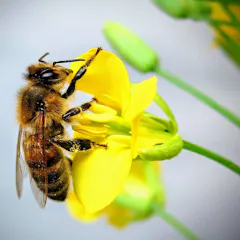
We’re making life tough for insects – and not just by swatting them away with a newspaper.

The Varroa mite is here to stay. This will have wide-ranging impacts on beekeeping and the crops that rely on honey bee pollination in Australia.

Invasive Asian hornets are a top predator of bees in the UK – and sightings are starting to soar.
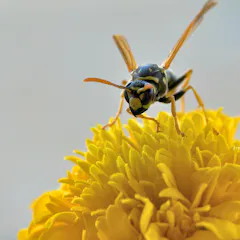
Have we overlooked the intelligence and value of wasps?
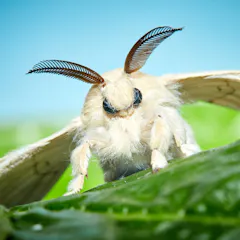
Moths are often overlooked as the poor cousin to butterflies, but they are truly remarkable creatures.
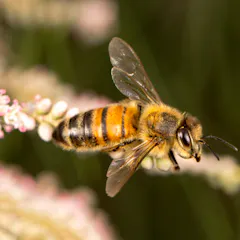
Feral honeybees have become a major problem in Australia. It’s time to develop effective and practical control measures.
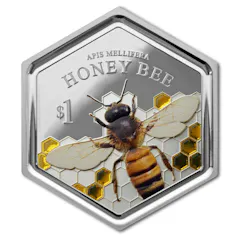
The surprising frequency of bees on coins through history shows the enduring importance to human societies of our buzzing companions.
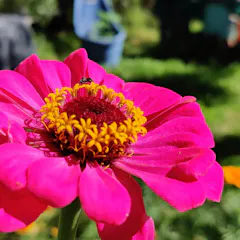
New research suggests insects have pollinated flowers since the pollen-bearing blooms first evolved more than 140 million years ago.

Australia is the last continent to be invaded by the dangerous honey bee parasite, and has an opportunity to be the first to eradicate it.

Scientists are learning amazing things about bees’ sensory perception and mental capabilities.
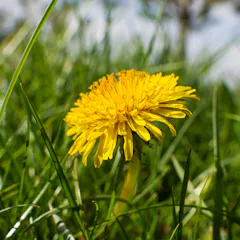
Before you reach for the weed killer, spare a thought for struggling pollinators.
Top contributors
-

Associate Professor, Department of Physiology, Monash University
-
Lecturer in Ecology, University of New England
-
Associate Professor in Entomology, University of Sydney
-
Adjunct Research Fellow, Curtin University
-
Lecturer in Biological Sciences, University of Wollongong
-
Lecturer, School of Life and Environmental Sciences, University of Sydney
-
Senior Research Associate in Entomology, Lancaster University
-
Research Fellow, School of Biological Sciences, Monash University
-
ARC Early Career Research Fellow, Social Insect Ecology, Macquarie University
-
Former Postdoctoral Research Associate
-
Senior Lecturer in Zoology, Nottingham Trent University
-
Senior Lecturer in Invertebrate Ecology, Western Sydney University
-
Senior Ecologist, University of Sydney
-
Baobab Ecologist, University of the Witwatersrand
-
Lecturer and Director - Bees for Sustainable Livelihoods, Southern Cross University