
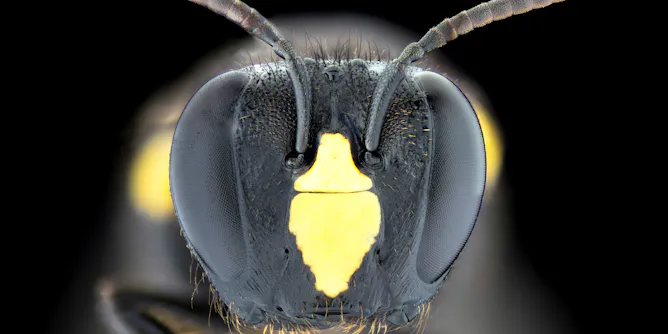
New research provides insights into the evolution and ecology of Australian bees. The capricious masked bee employs female nest guards in a cooperative social structure. Meanwhile, fussy feeders abound.
Articles on Pollination
Displaying 41 - 60 of 99 articles
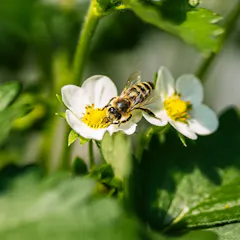
Bees and other pollinators are key to food production, but they’re hard to keep an eye on. Now, AI software is helping track these essential farm workers.
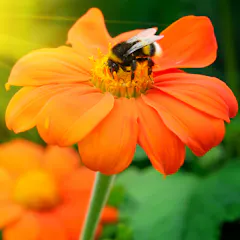
Seventy-two per cent of native bumblebee species in North America are cutting their winter hibernation short by timing their emergence to earlier spring onsets.

People wouldn’t last long without the countless other species we depend on for survival.

Celebrating the European honeybee is a misplaced opportunity to honour our forgotten native pollinators.
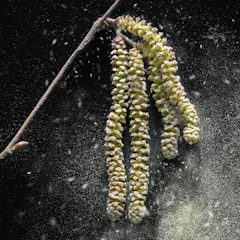
Pollen brings seasonal misery to millions of Americans, but it serves a critical purpose: fertilizing many kinds of plants, including food crops.
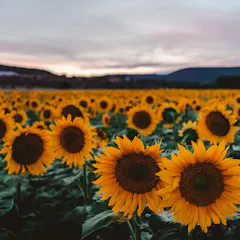
Sunflowers have hidden patterns of ultraviolet colours — visible to pollinators, these colours are due to the presence of pigments that also help plants retain moisture.
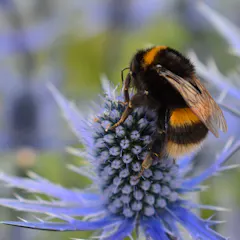
Climate change is throwing plants and pollinators out of sync.
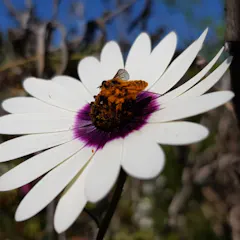
Half of all flowering plants mostly or completely rely on animal pollinators to make seeds. A decline in pollinators could cause major disruptions in natural ecosystems.
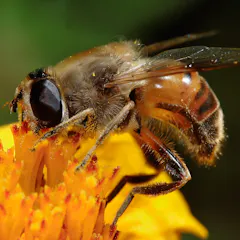
Plants use their flower colours for ‘brand recognition’ among insects - but also work together to attract more pollinators.
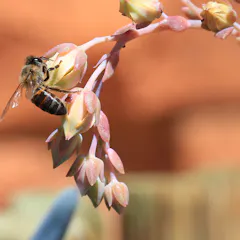
Honeybees are crucial for pollinating crops and plants. They need good forage resources to do this and these resources are under threat in South Africa.
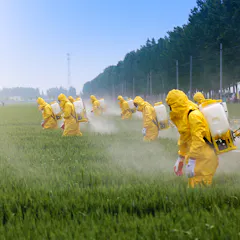
New research reveals an overlooked, but potentially significant, problem with agrochemicals and pollinators.
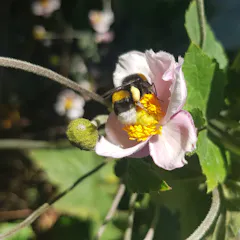
Bees can perceive flower colours and hues which are invisible to us — such as those produced by reflected ultraviolet radiation.

Baobab flowers have male and female parts but individual trees appear to be favouring one rather than the other. To keep tree populations healthy and fruitful, both types are needed.
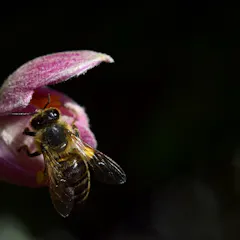
Hives that travel by truck, bees paid for their pollination service, adulterated honey, economic theories based on an imaginary social organization…

Planting a garden for winter-active insects is a wonderful way to support local biodiversity. Your garden will thrive with the free pollination and pest control services the insects provide.
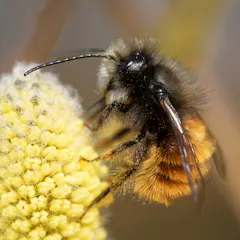
A diverse pollinator community is a reliable one.
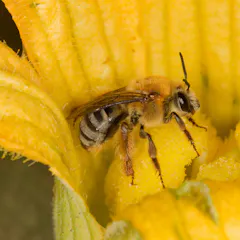
EU-banned pesticides could not only threaten wild bees where they eat, but where they sleep too.
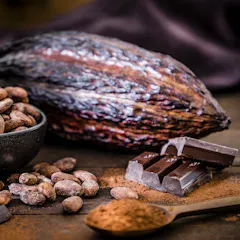
Entomologists wonder if the insects currently pollinating farmed cacao are the right ones for the task.

While you may have seen a lot of bees around lately, there’s no reason to be afraid. Some don’t sting, and others might actually be flies.
Top contributors
-

Associate Professor, Department of Physiology, Monash University
-
Lecturer in Ecology, University of New England
-
Associate Professor in Entomology, University of Sydney
-
Adjunct Research Fellow, Curtin University
-
Lecturer in Biological Sciences, University of Wollongong
-
Lecturer, School of Life and Environmental Sciences, University of Sydney
-
Senior Research Associate in Entomology, Lancaster University
-
Research Fellow, School of Biological Sciences, Monash University
-
ARC Early Career Research Fellow, Social Insect Ecology, Macquarie University
-
Former Postdoctoral Research Associate
-
Senior Lecturer in Zoology, Nottingham Trent University
-
Senior Lecturer in Invertebrate Ecology, Western Sydney University
-
Senior Ecologist, University of Sydney
-
Baobab Ecologist, University of the Witwatersrand
-
Lecturer and Director - Bees for Sustainable Livelihoods, Southern Cross University