
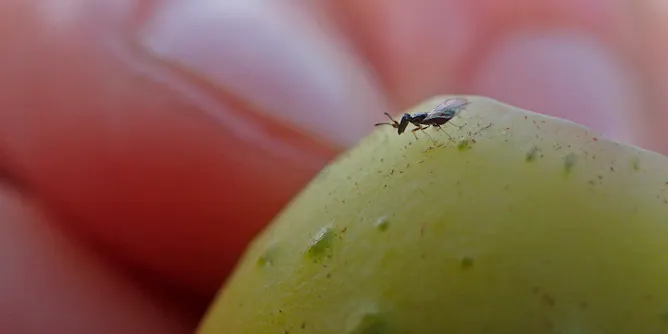
As invasive species transform the world, frontline agencies take solace that species needing unique partners can’t invade alone. A new study on figs shows they may find new partners to invade anyway.
Articles on Pollination
Displaying 61 - 80 of 99 articles
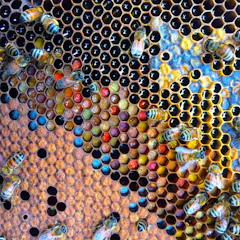
A single colony of bees can have 60,000 bees in it. Together, they can visit up to 50 million flowers each day to collect pollen and nectar. They’re not called ‘busy bees’ for nothing!

Honey bees in the most polluted parts of an Indian city were more likely to die sooner and showed clear signs of poor health.
Urban green spaces can be a rich habitat for diverse pollinators, if they’re managed properly.
New research sheds light on the unsung heroes of pollination.
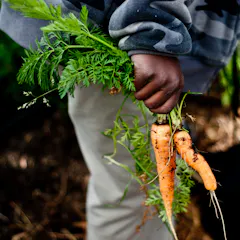
Victory gardens were popular during wartime, and have made a comeback during the current pandemic.

Insects are essential to the functioning of land and freshwater ecosystems but species populations are being lost at a rapid rate globally.

‘Bee-washing,’ marketing claims that purport to help bees, can diminish the important distinction between a honey bee and native bee.

As climatic conditions change, plants’ odours are altered, with direct consequences for pollination, especially by bees.

Fruit ripening is all about plants getting animals to eat the seeds that are inside their fruits. This helps the plants get their seeds to somewhere new where they can grow into a new plant.
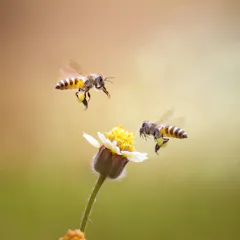
Bees need flowers to live, and we need bees to pollinate our crops. Understanding bee vision can help us better support our buzzy friends and the critical pollination services they provide.
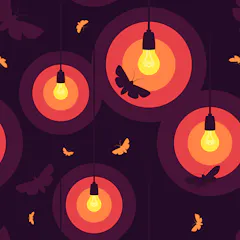
Turning street lights off at midnight could save money, energy and help nocturnal ecosystems thrive.
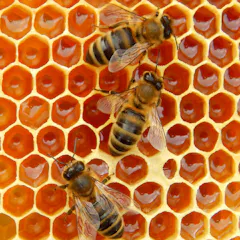
Remote sensors allowed us to observe the in-hive activities of honeybees, which could be key to keeping bee colonies worldwide healthy.
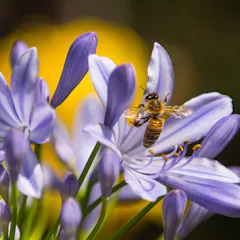
The world’s most widely used herbicide poses a threat to honey bees.

You have to draw an ethical line somewhere so if you were vegan, would you still eat avocados?

Pollination by commercially raised bees is important to a variety of crops but none more than California almonds. In turn, beekeepers depend on them.
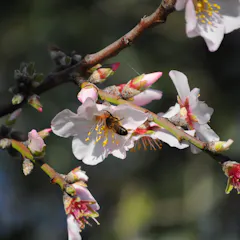
Many fruits, nuts and other crops rely on bees to pollinate their flowers at just the right time of year. Many farmers rent bees to get the job done at pollination time.

Rather than trying to out-compete each other, flowers may work together to attract bees en masse. It’s the sort of approach that is effective in the world of advertising too.

Pollination in South Africa’s ecosystems is extremely complex. However new advances such as pollen metabarcoding help us understand interactions between pollinators and pollen.
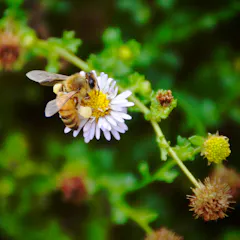
It’s a decade since US beekeepers first noticed that their bees were mysteriously dying. Now we know much more about Colony Collapse Disorder, raising hopes that we can turn bees’ fortunes around.
Top contributors
-

Associate Professor, Department of Physiology, Monash University
-
Lecturer in Ecology, University of New England
-
Associate Professor in Entomology, University of Sydney
-
Lecturer in Biological Sciences, University of Wollongong
-
Lecturer, School of Life and Environmental Sciences, University of Sydney
-
Adjunct Research Fellow, Curtin University
-
Senior Research Associate in Entomology, Lancaster University
-
Researcher and analyst, Monash University
-
Baobab Ecologist, University of the Witwatersrand
-
Research Fellow, School of Biological Sciences, Monash University
-
Former Postdoctoral Research Associate
-
Senior Lecturer in Invertebrate Ecology, Western Sydney University
-
Senior Ecologist, University of Sydney
-
Lecturer and Director - Bees for Sustainable Livelihoods, Southern Cross University
-
ARC Early Career Research Fellow, Social Insect Ecology, Macquarie University