
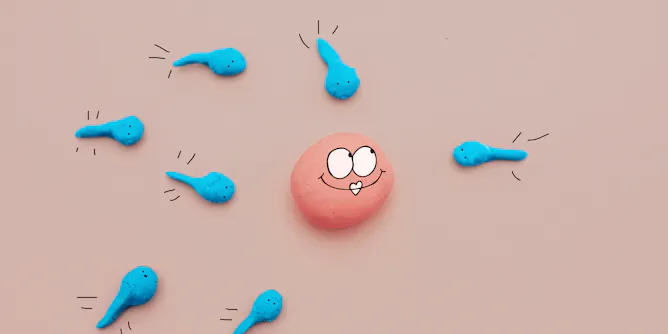
People are exposed to toxic substances – like pesticides, chemicals in plastics and radiation – every day. A growing body of research shows that this exposure is causing a decline in male fertility.
Articles on Pesticides
Displaying 81 - 100 of 196 articles
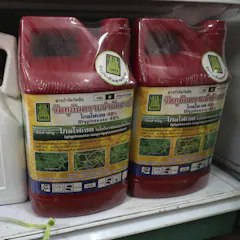
Roundup may be taking a beating in the US, where three juries have concluded that it gave plaintiffs cancer, but it’s still widely used around the globe.
Eggs can remain in the soil for several years with the embryos waiting to receive sufficient moisture to complete development. This results in synchronised hatching when there’s sufficient rain.
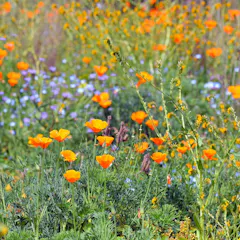
Looking for a new gardening challenge? Turning your yard into an insect-friendly oasis could mean less work and more nature to enjoy.
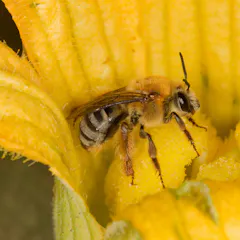
EU-banned pesticides could not only threaten wild bees where they eat, but where they sleep too.
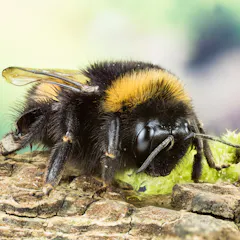
Chemicals banned in the EU were recently granted an exemption for limited use in the UK.

Black Friday sales reveal fast fashion extremes. But how does it affect the planet?
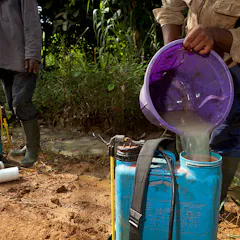
Small, practical messaging campaigns on pesticide toxicity can lead farmers to choose safer, less-toxic pesticides.
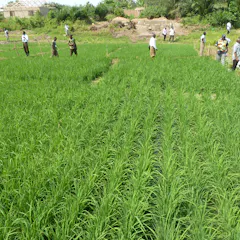
Most local farmers are indifferent to the effect of chemicals on consumers.
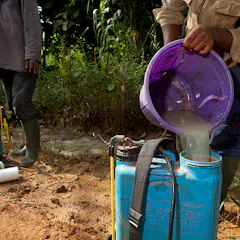
Many of the more harmful pesticides have active ingredients – such as glyphosate – that are banned or heavily restricted in other places, such as Europe.
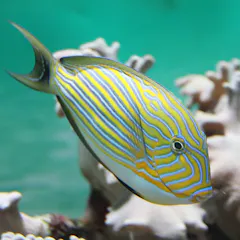
Pesticides and high temperatures can disrupt the development of small coral reef fish by targeting their hormones.

Australia has failed to ratify an international treaty to reduce harmful mercury emissions. Mercury exposure can cause kidney damage and brain impairment, especially in children.

A new study shows high-fibre brown rice also contains more arsenic than white rice – so which is better for you?
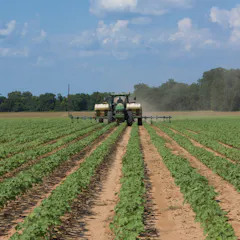
One way that farms can handle shortages of protective gear for workers is by switching to less-toxic pest control methods.
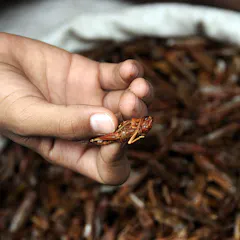
Eating locusts is an old strategy used to get food after locusts devastated crops, but things have changed.

When the current crisis passes, we must seize the opportunity to re-imagine, and to create, a different kind of future.
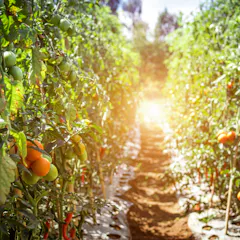
This transformation provides lessons for the rest of world, for shifting away from chemical agriculture towards a healthier system for people and the planet.
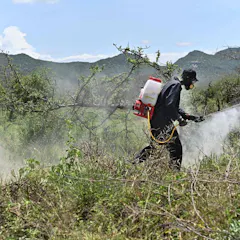
Currently, outbreaks are managed using chemical pesticides or an insect fungus. Neither is a good option.
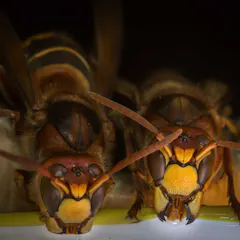
Bees aren’t the only species that has a queen.

Insects are essential to the functioning of land and freshwater ecosystems but species populations are being lost at a rapid rate globally.
Top contributors
-

Senior Lecturer in Pharmacology, Adelaide University
-
Professor of Biology (Evolution, Behaviour and Environment), University of Sussex
-
Lecturer in Ecology, University of New England
-
Professor, School of Medicine, University of Connecticut
-
Vice Chancellor's Research Fellow in Ecology and Entomology, Edith Cowan University
-
Professor/Professeure titulaire, Eau Terre Environnement Research Centre, Institut national de la recherche scientifique (INRS)
-
Professor of Entomology and Extension Specialist, Penn State
-
Senior Visiting Fellow, School of Medical Sciences, UNSW
-
Emeritus Professor of Biology, University of Bath
-
Executive Director, Swette Center for Sustainable Food Systems, Arizona State University
-
Associate Professor, Department of Entomology; African-American Studies, University of Illinois Urbana-Champaign
-
Clinical Associate Professor, School of Medical Science & Sydney Infectious Diseases Institute; Principal Hospital Scientist, University of Sydney
-
Professor; Dean, Melbourne School of Land and Environment, The University of Melbourne
-
Associate, Sustainability Science, Harvard Kennedy School, Harvard University
-
Associate professor, University of Nebraska – Kearney