
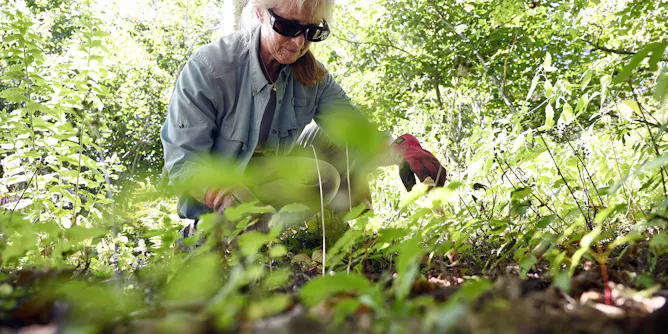
What gardeners do at the end of the growing season will determine how clean, productive and manageable their garden beds will be when spring arrives.
Articles on Herbicides
Displaying 1 - 20 of 39 articles

A soil expert unpacks what this unconventional farming method is and how it works.
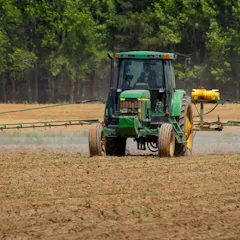
Paraquat is one of the most widely used herbicides around the world. An expert explains what we know about the risk of Parkinson’s disease.
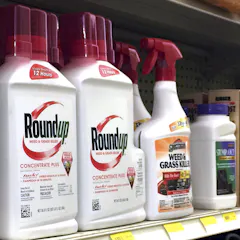
The recent retraction of peer-reviewed research claiming glyphosate is safe confirms what Indigenous communities have said for years.
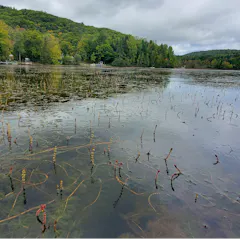
The fight against Eurasian watermilfoil, an invasive aquatic plant in North American lakes, can be long and expensive, so must be carefully planned.
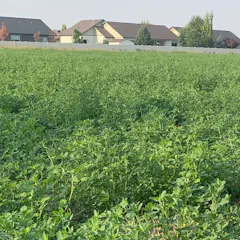
New research provides evidence for the first time that the primary chemical in Roundup is reaching people in nearby homes, and it isn’t just from the food they eat.
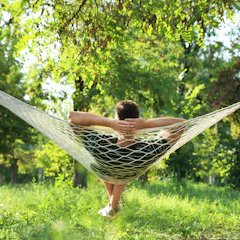
Your less manicured garden has the potential to combat tackle climate change and help wildlife survive.
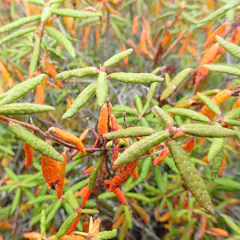
Some boreal plant species are classified — and treated — as weeds, affecting Indigenous communities’ access to important cultural, medicinal and ceremonial resources.
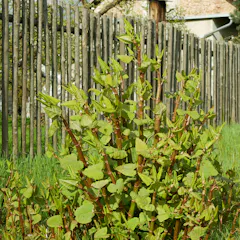
It’s a plant that is nearly impossible to obliterate, but new research reveals the best way of tackling Japanese knotweed in the most sustainable way.
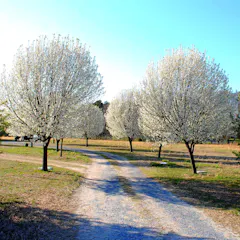
They’re beautiful in bloom, but Callery pear trees crowd out native plants and turn productive open land into woody thickets.

Published in 1962, ‘Silent Spring’ called attention to collateral damage from widespread use of synthetic pesticides. Many problems the book anticipated persist today in new forms.

The herbicide revolution reduces the availability of edible weeds, which may undermine food and nutrition security.
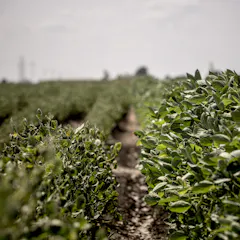
Farmers are stuck in a chemical war against weeds, which have developed resistance to many widely used herbicides. Seed companies’ answer – using more varied herbicides – is causing new problems.

People are exposed to toxic substances – like pesticides, chemicals in plastics and radiation – every day. A growing body of research shows that this exposure is causing a decline in male fertility.
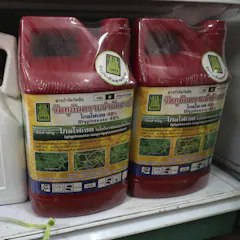
Roundup may be taking a beating in the US, where three juries have concluded that it gave plaintiffs cancer, but it’s still widely used around the globe.
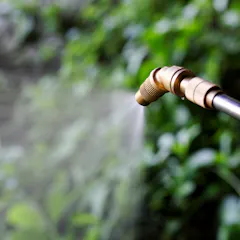
Paraquat’s potentially lethal effects on humans are well known. But our research has found it also causes serious environmental damage.

Planting a garden for winter-active insects is a wonderful way to support local biodiversity. Your garden will thrive with the free pollination and pest control services the insects provide.
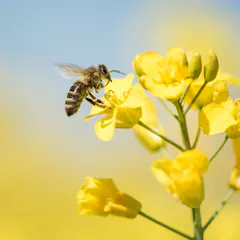
It’s unlikely that all species of bees will go extinct anytime soon – but current losses could still have a terrible impact on food supplies and ecosystems.
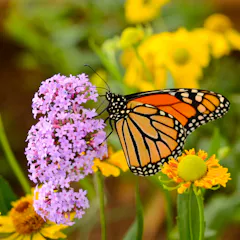
Wildflowers, bees and butterflies – your lawn is a vibrant ecosystem waiting to be unleashed.

Weeds are serious problems on sports fields, parks and other sites covered with turfgrass. A new strategy uses mechanical force to kill them instead of chemical herbicides.
Top contributors
-

Professor, School of Medicine, University of Connecticut
-
Senior Lecturer in Pharmacology, Adelaide University
-
Associate professor, University of Nebraska – Kearney
-
Emeritus Professor of Environmental and Occupational Medicine, Rutgers University
-
Director, Institute of the Environment and Sustainability, University of California, Los Angeles
-
Senior Research Associate, University of South Africa
-
Professor of Molecular Biology and Genetics, University of Canterbury
-
Professor of Rural Sociology and Science, Technology, and Society, Penn State
-
Associate Professor of Physiology, Millikin University
-
Professor, Paediatrics and Child Health, UNSW
-
Professor of Zoology, University of Pretoria
-
Professor of History, The Ohio State University
-
Associate professor, Anthropology, Athabasca University
-
Professor of Biology, University of Dayton
-
Professor of Horticultural Sciences and Plant Molecular and Cellular Biology, University of Florida