
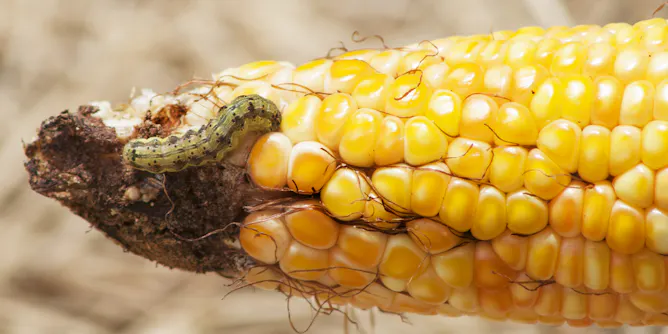
Farmers needs a way to manage harmful insects without destroying the ecological balance.
Articles on Pesticides
Displaying 141 - 160 of 196 articles
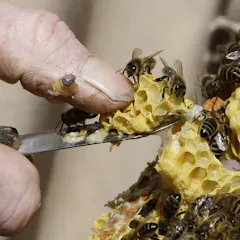
Australian bees have so far avoided the ‘colony collapse’ devastating hives around the world, but there’s growing pressure for a ban on certain insecticides blamed for bee deaths.

California produces 90 percent of the US strawberry crop, but growers face curbs on toxic chemicals that have helped their industry expand. Can a system centered on mass production become more sustainable?
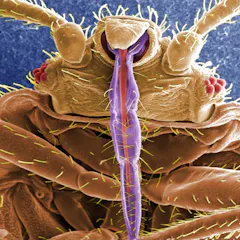
Bed bugs make us shudder and cringe. So arm yourself with the courage to learn about the biology and successes of Cimex lectularius – as well as the ways to get rid of it.

Water pollution, toxic chemical use and textile waste: fast fashion comes at a huge cost to the environment.
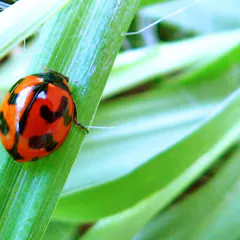
If warmer weather is your sign to reach for the pesticide, think again. From better soil to your own army of beneficial bugs, here are five reasons to put down the insect spray.

The U.S. Consumer Protection Safety Commission has recommended a wide-spread ban on an entire class of flame retardants. Here’s how Canada could follow suit.
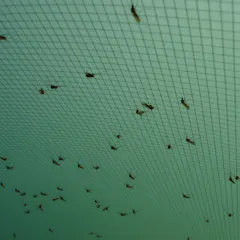
Australian mosquitoes, unlike their Asian and American counterparts, can still be controlled by insecticides like pyrethroids. What lessons are there for managing pesticide resistance in insects?
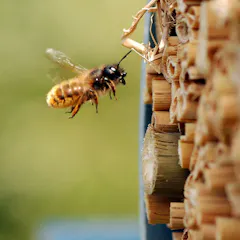
Here’s how to take the sting out of these harmful pesticides.

The global food system has been operating in post-truth mode for decades.
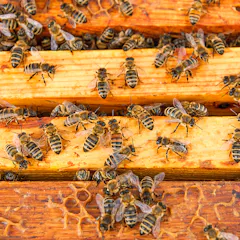
Two large-scale studies confirm that neonicotinoid pesticides can harm bees. But the effects vary widely in different countries, suggesting that calls for a world ban would be premature.
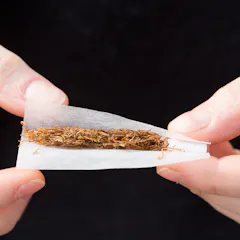
Roll-your-own tobacco contains additives to stop it from drying out. So, it’s hardly a “natural” or “healthier” alternative to factory made cigarettes.
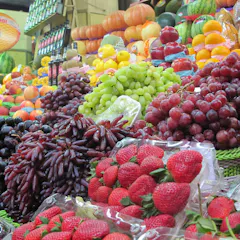
Reports about trace amounts of pesticides, like the EWG’s Dirty Dozen, can leave people afraid to buy fruits and vegetables. But the hype is often overblown.
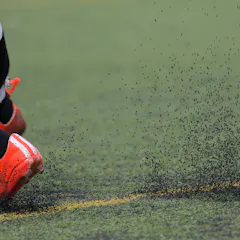
Artificial turf has become popular for kids’ sports as well as for professional players. The little black crumbs that help support the blades of fake grass may not be so harmless.
The Smarden incident and the arrival of Rachel Carson’s Silent Spring in the UK lead people to a new view of the environment.
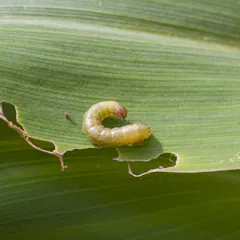
Fall armyworms have a number of characteristics that make them particularly hard to control. They are strong fliers, can breed at a high rate and also develop quick resistance to pesticides.

Indigenous biocontrol agents could be used to curb the spread of invasive wasps across South Africa and into sub-Saharan Africa.
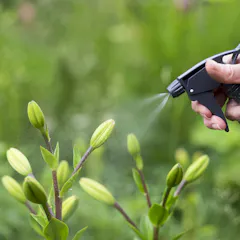
When working with garden chemicals, always make sure you are wearing gloves. Apply sprays and dusts downwind and wear goggles if necessary. Always follow the directions.

Governments often have limited knowledge of chemical production as it is the preserve of the private sector. Often these facilities are not as well secured as government facilities.
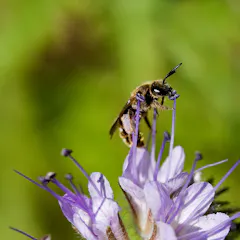
Two new studies have linked controversial pesticides neonicotinoides to wild bee and butterfly declines.
Top contributors
-

Senior Lecturer in Pharmacology, Adelaide University
-
Professor of Biology (Evolution, Behaviour and Environment), University of Sussex
-
Lecturer in Ecology, University of New England
-
Professor, School of Medicine, University of Connecticut
-
Vice Chancellor's Research Fellow in Ecology and Entomology, Edith Cowan University
-
Professor/Professeure titulaire, Eau Terre Environnement Research Centre, Institut national de la recherche scientifique (INRS)
-
Professor of Entomology and Extension Specialist, Penn State
-
Senior Visiting Fellow, School of Medical Sciences, UNSW
-
Emeritus Professor of Biology, University of Bath
-
Executive Director, Swette Center for Sustainable Food Systems, Arizona State University
-
Associate Professor, Department of Entomology; African-American Studies, University of Illinois Urbana-Champaign
-
Clinical Associate Professor, School of Medical Science & Sydney Infectious Diseases Institute; Principal Hospital Scientist, University of Sydney
-
Professor; Dean, Melbourne School of Land and Environment, The University of Melbourne
-
Associate, Sustainability Science, Harvard Kennedy School, Harvard University
-
Associate professor, University of Nebraska – Kearney