
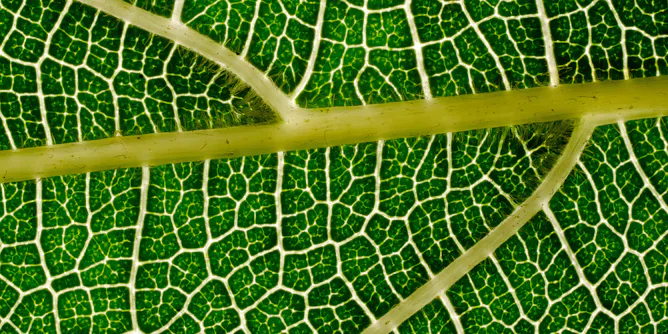
Green plants produce a specific gas when under attack to both directly ward off herbivores and pathogens and indirectly lure in herbivore predators.
Articles on Pesticides
Displaying 41 - 60 of 196 articles
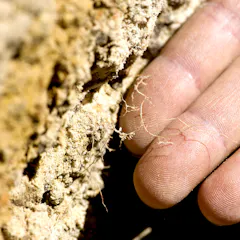
The health of our soils is poor – and getting worse. Here’s why that matters and what we can do about it
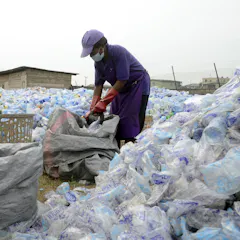
Recycled plastics are not safe if the chemicals used in creating them in the first place are harmful.
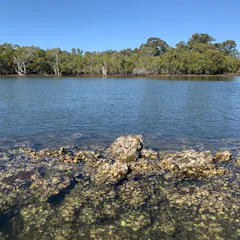
Herbicides and pesticides wash downriver from farms and towns – and some of these chemicals are taken up by oysters.
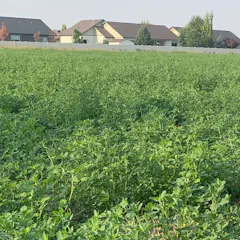
New research provides evidence for the first time that the primary chemical in Roundup is reaching people in nearby homes, and it isn’t just from the food they eat.
Inert ingredients are added for purposes other than killing pests and are not required under federal law to be tested for safety or identified on pesticide labels.

Canada is long-overdue for scientifically-driven, robust and transparent pesticide regulation. A newly created Science Advisory Committee aims to address this.
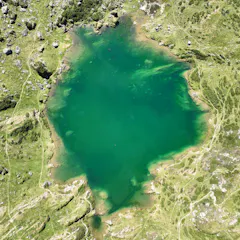
Many mountain lakes in the Pyrenees have turned green, a phenomenon that is a warning about the multiple pressures on ecosystems.

Did the Green Revolution, which brought high-tech agriculture to developing nations in the 1960s, prevent famine? Recent research takes a much more skeptical view.
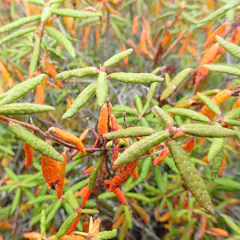
Some boreal plant species are classified — and treated — as weeds, affecting Indigenous communities’ access to important cultural, medicinal and ceremonial resources.
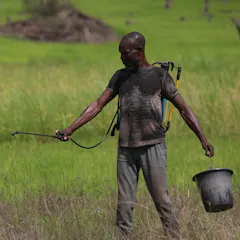
Nigeria’s agricultural products are banned by many western countries because of toxic pesticides. Good regulation can address the problem.
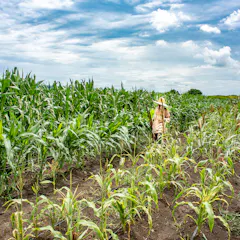
Labour, yields, and biodiversity are all elements of agriculture that need to be balanced.

Farms have become less friendly for our insect friends – this must be reversed if we want food to eat.
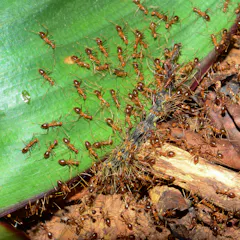
The two pest ant species have huge impacts on the areas they invade. The fire ants can even kill people. Unfortunately, these ants will be hard to eliminate.
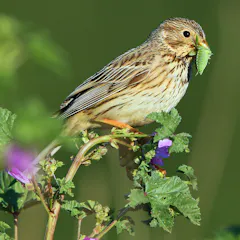
Insect-eating birds such as swifts and yellow wagtails are particularly vulnerable.

An environmental health lawyer explains why some states have weaker rules than others, and how you can make your concerns heard.
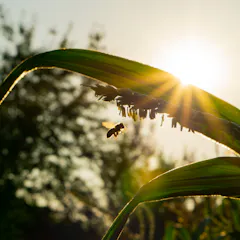
New research from China shows how the loss of insects is destabilising food webs.
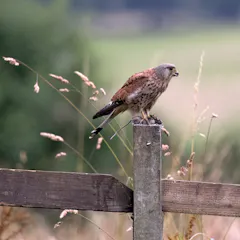
Tinkering around the margins of English farms won’t benefit biodiversity, research suggests.
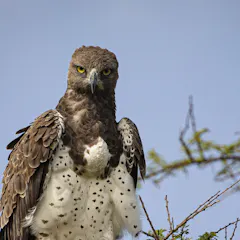
DDT accumulates in wildlife and magnifies up the food chain. Birds of prey occupy the top of these food chains in various ecosystems.
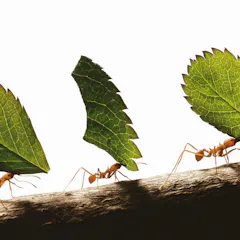
Over hundreds of million years of evolution, ants have come up with some pretty smart solutions to problems of agriculture, navigation and architecture. People could learn a thing or two.
Top contributors
-

Senior Lecturer in Pharmacology, Adelaide University
-
Professor of Biology (Evolution, Behaviour and Environment), University of Sussex
-
Lecturer in Ecology, University of New England
-
Professor, School of Medicine, University of Connecticut
-
Vice Chancellor's Research Fellow in Ecology and Entomology, Edith Cowan University
-
Professor/Professeure titulaire, Eau Terre Environnement Research Centre, Institut national de la recherche scientifique (INRS)
-
Professor of Entomology and Extension Specialist, Penn State
-
Senior Visiting Fellow, School of Medical Sciences, UNSW
-
Emeritus Professor of Biology, University of Bath
-
Executive Director, Swette Center for Sustainable Food Systems, Arizona State University
-
Associate Professor, Department of Entomology; African-American Studies, University of Illinois Urbana-Champaign
-
Clinical Associate Professor, School of Medical Science & Sydney Infectious Diseases Institute; Principal Hospital Scientist, University of Sydney
-
Professor; Dean, Melbourne School of Land and Environment, The University of Melbourne
-
Associate, Sustainability Science, Harvard Kennedy School, Harvard University
-
Associate professor, University of Nebraska – Kearney