
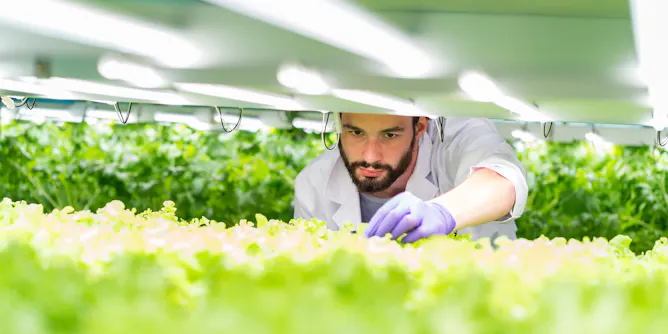
The world’s largest indoor vertical farm closed its doors in late 2024, capping a bad run for this fledgling sector.
Articles on Pesticides
Displaying 21 - 40 of 196 articles
Give a bacteria-fungi biofilm access to sweetened tea and you can make not only kombucha – but a fibre vital to making clothing.

Clearing huge tracts of land to plant one crop like maize has degraded land and put healthy food out of the reach of ordinary people. A new book has solutions.

While scientists still aren’t sure how phosphine wreaks so much havoc on the body, some are developing medications that can help mitigate the harm it causes.
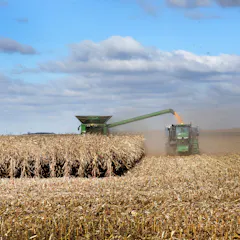
The USDA oversees food production and much more. However, it has little direct power to reduce food prices – a centerpiece of President Trump’s campaign.

Four decades on, survivors of the Bhopal gas disaster are still campaigning for a fair settlement.

New research highlights the flaws of pesticide regulation.
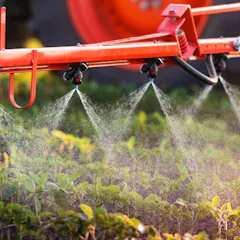
A study in rats shed new light on how the chemical can inhibit thyroid function. For unborn babies, this may cause irreversible harm.
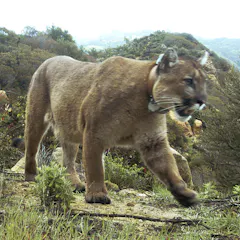
Modern rodenticides can kill rats with a single dose and readily pass up the food chain to larger carnivores. They are widely used and largely unregulated.
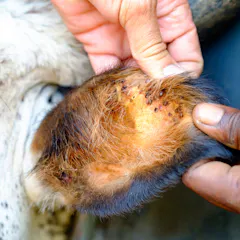
Ticks are becoming uncontrollable on South African cattle. They’ve developed resistance to the poisons that kill them. Government services must visit farms to give advice to stop this problem.
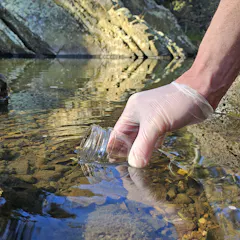
If you’re worried about pollution in the air we breathe, water we drink and food we eat, take time out to explore the evidence of harm and digest some practical advice on how to reduce your exposure.

Perhaps 90% of flowering plants require animal pollinators – and most of them are insects. But it’s not just bees doing this important work.
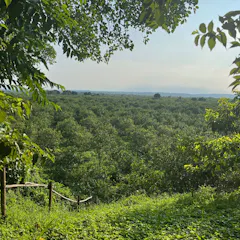
Mexico waffles on glyphosate ban but support for Agroecology stays strong.
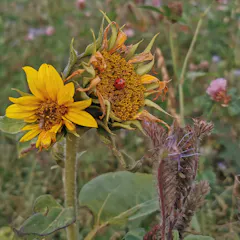
The debate about pesticides often gets polarised, pitching farmers against consumers.

Among the poisons found in 36% of the frogs tested, rodenticide was detected for the first time. Pesticides are considered a threat to hundreds of amphibian species.
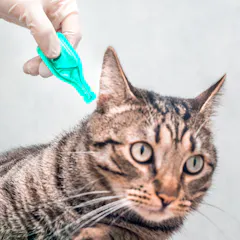
Pesticides present in pet flea and tick treatments pose a risk to human health and the environment - but monthly application as a preventative measure isn’t essential.

Nano-enabled pesticides could pose huge risks and they aren’t being regulated effectively enough yet.
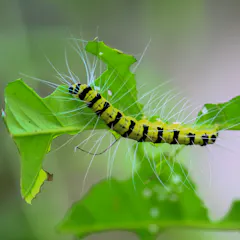
Despite its 500-million-year history, the plant-fungi alliance holds mysteries that, once unravelled, could revolutionise agriculture and ecosystem management.
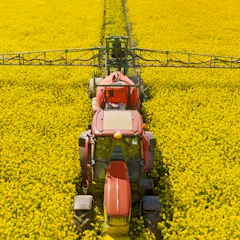
The six-year-late UK national action plan for the sustainable use of pesticides is finally due but experts doubt it will be radical enough.
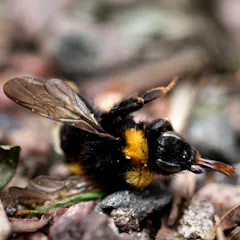
Studies have struggled to capture how pesticides affect bees outside of a lab.
Top contributors
-

Senior Lecturer in Pharmacology, Adelaide University
-
Professor of Biology (Evolution, Behaviour and Environment), University of Sussex
-
Lecturer in Ecology, University of New England
-
Professor, School of Medicine, University of Connecticut
-
Vice Chancellor's Research Fellow in Ecology and Entomology, Edith Cowan University
-
Professor/Professeure titulaire, Eau Terre Environnement Research Centre, Institut national de la recherche scientifique (INRS)
-
Professor of Entomology and Extension Specialist, Penn State
-
Senior Visiting Fellow, School of Medical Sciences, UNSW
-
Emeritus Professor of Biology, University of Bath
-
Executive Director, Swette Center for Sustainable Food Systems, Arizona State University
-
Associate Professor, Department of Entomology; African-American Studies, University of Illinois Urbana-Champaign
-
Clinical Associate Professor, School of Medical Science & Sydney Infectious Diseases Institute; Principal Hospital Scientist, University of Sydney
-
Professor; Dean, Melbourne School of Land and Environment, The University of Melbourne
-
Associate, Sustainability Science, Harvard Kennedy School, Harvard University
-
Associate professor, University of Nebraska – Kearney