
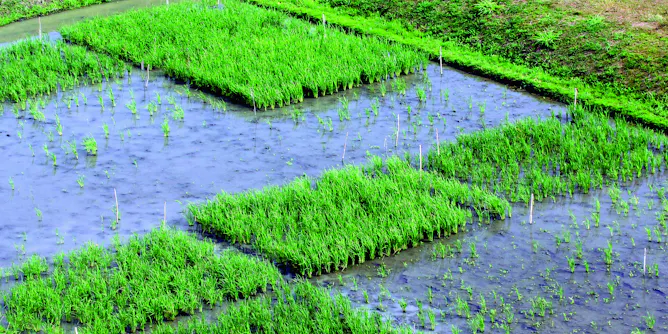
Advocates have argued for years about whether genetically engineered crops are safe to grow and eat. Plant pathologist and geneticist Pamela Ronald calls for a more nuanced discussion.
Articles on Pesticides
Displaying 161 - 180 of 196 articles
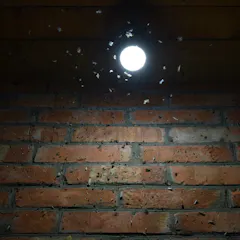
New research shows that street lighting changes the activity of moths, and is likely to disrupt nocturnal pollination.
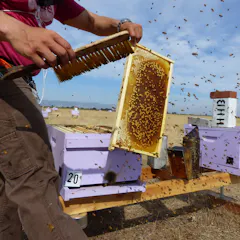
Honey bees, which pollinate many valuable crops, are threatened by parasites, pesticides and development. But selective breeding, more benign pesticides and better nutrition could help turn the tide.
Are genetically engineered crops safe for human health and the environment? A new report says yes but points out problems and regulatory gaps. Three members of the study panel offer their takeaways.
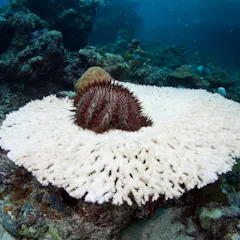
To fix pollution on the Great Barrier Reef, some farming practices will have to change.
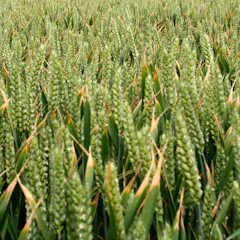
Modern agriculture is synonymous with monoculture. That lack of diversity is bad news for plants’ natural immune defenses. Researchers are figuring out how to help plants fend off microbes – without pesticides.
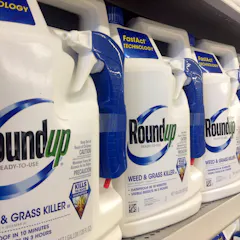
The World Health Organization classifies the common herbicide glyphosate as “probably carcinogenic to humans”. But this doesn’t mean using it to kill weeds in playgrounds will hurt children.
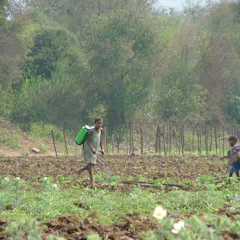
Understanding the hazards and risks of pesticides is vital for people using them on crops.
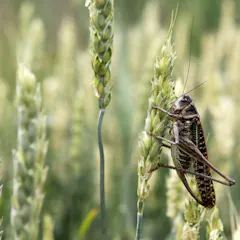
Insects have been in a feature in agriculture since the end of the 19th century. Using a combination of new and old control methods is the best way to deal with our food competitors.
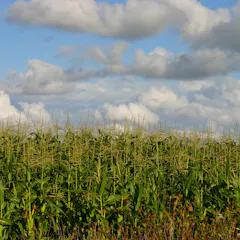
Continued use of pesticides will lower diversity of beneficial insects, costing corn farmers more money over time.
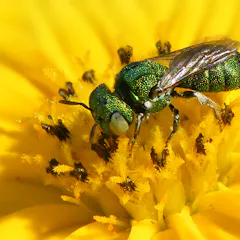
Data from all over the globe suggest that bees are in decline, and we may lose a lot more than honey if bees are unable to cope with the changing climate and increasing demand for agricultural land.
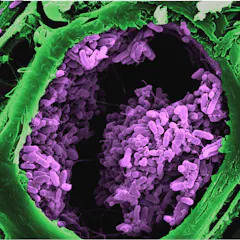
Vaccines aren’t just for animals anymore. Research shows priming plants with pathogen-derived compounds strengthens their immune systems and enhances protection against future attack.

Successive plans to curb the sediments, nutrients and pesticides flowing into the waters around the Great Barrier Reef have fallen short, leaving the corals that call the reef home highly vulnerable.
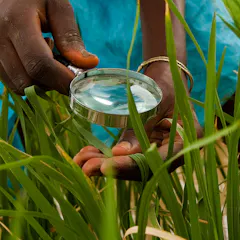
Spraying chemicals on crops has proven costly and counter-productive, according to new research.
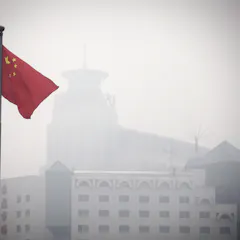
Under the Dome, a hugely popular online documentary about China’s smog crisis, could be as influential as 1962’s US pesticide exposé Silent Spring - but only if Chinese officials allow debate to flourish.
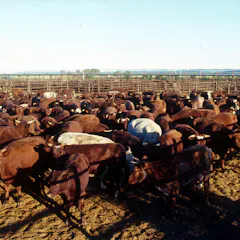
Ten years on from the Australia-US Free Trade Agreement, Australia is entering another round of negotiations towards the new and controversial Trans-Pacific Partnership. In this Free Trade Scorecard series…
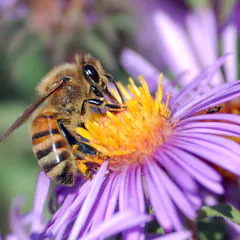
The UK government is prepared to accept funding for studies on the risks of pesticides to bees and other pollinators from the manufacturers of the chemicals in question. Not surprisingly, this raises uncomfortable…
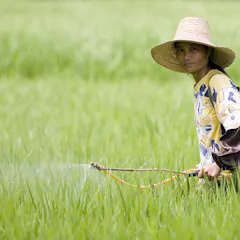
A recent study by the organisation Moms Across America claims to have found a pesticide at harmful levels in human breast milk and urine. Moms Across America is an organisation concerned with the use of…
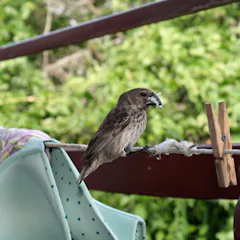
Darwin’s finches, a group of 14 species found only in the Galapagos Islands, are perhaps most well known as one of the inspirations for Charles Darwin’s theory of evolution by natural selection. A classic…
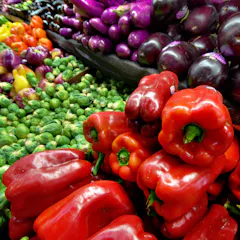
Eating an organic diet for a week can cause pesticide levels to drop by almost 90% in adults, research from RMIT University has found. The study, led by Dr Liza Oates found particpants’ urinary dialkylphosphates…
Top contributors
-

Senior Lecturer in Pharmacology, Adelaide University
-
Professor of Biology (Evolution, Behaviour and Environment), University of Sussex
-
Lecturer in Ecology, University of New England
-
Professor, School of Medicine, University of Connecticut
-
Vice Chancellor's Research Fellow in Ecology and Entomology, Edith Cowan University
-
Professor/Professeure titulaire, Eau Terre Environnement Research Centre, Institut national de la recherche scientifique (INRS)
-
Professor of Entomology and Extension Specialist, Penn State
-
Senior Visiting Fellow, School of Medical Sciences, UNSW
-
Emeritus Professor of Biology, University of Bath
-
Executive Director, Swette Center for Sustainable Food Systems, Arizona State University
-
Associate Professor, Department of Entomology; African-American Studies, University of Illinois Urbana-Champaign
-
Clinical Associate Professor, School of Medical Science & Sydney Infectious Diseases Institute; Principal Hospital Scientist, University of Sydney
-
Professor; Dean, Melbourne School of Land and Environment, The University of Melbourne
-
Associate, Sustainability Science, Harvard Kennedy School, Harvard University
-
Associate professor, University of Nebraska – Kearney