

Once-lethal insecticides now require concerningly high concentrations to effectively kill mosquitoes. Some mosquitoes are already immune to all classes of insecticides used to control malaria.
Articles on Insecticides
Displaying 1 - 20 of 55 articles

Federal regulations govern which pesticides can be used and give specific directions for applying them. Ignoring those directions is a violation of federal law.

Research results demonstrate the potential of GM cowpea to enhance yields and profitability for resource-poor farmers.

The causes involve more than just habitat loss, but there are steps you can take to help save these delicate creatures
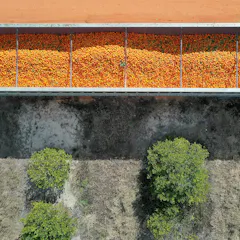
The promising compounda were discovered on an organic farm.

Ferns have evolved a mutually beneficial relationship with ants, but this happened late in their evolution. A recent study shows that old dogs can learn new tricks.
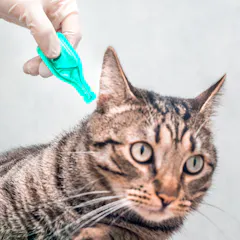
Pesticides present in pet flea and tick treatments pose a risk to human health and the environment - but monthly application as a preventative measure isn’t essential.

In the wake of Melbourne’s spectacular cricket swarm, we asked the author of Australia’s Guide to Crickets why insects gather in such large numbers and how to keep them out of our homes.

It’s a horror story unfolding in the west that could sweep across the country. Beware the shot-hole borer, an exotic pest that threatens our tree crops, plantations, urban forests and wild places.
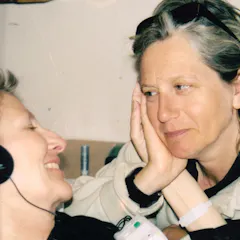
On at Cape Town Pride, Melanie Chait’s documentary is about her life partner Nancy Diuguid.

Published in 1962, ‘Silent Spring’ called attention to collateral damage from widespread use of synthetic pesticides. Many problems the book anticipated persist today in new forms.
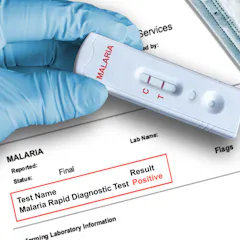
Evidence shows that malaria parasites in some locations have changed their genetic make-up so that they can evade rapid diagnostic tests.

Studies suggest that seeds coated with neonicotinoid insecticides may harm nontarget insects, mammals and birds. In response, states are starting to restrict use of these products.
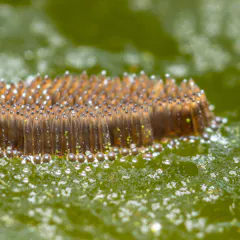
The insecticide Bti kills target organisms like mosquitoes and blackflies, but new research shows it may also have negative effects on non-target species like frogs.
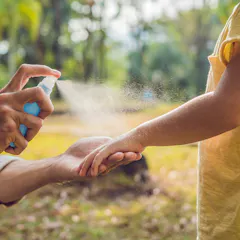
Summer is no fun when mosquitoes are biting. Insect repellent creams, sprays, and lotions are safe and effective but there are alternatives. Here’s what works and what doesn’t!

This year’s unprecedented fall armyworm invasion has laid waste to lawns, athletic fields and crops. Is it a fluke? When will it end?
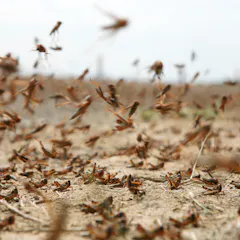
Eggs can remain in the soil for several years with the embryos waiting to receive sufficient moisture to complete development. This results in synchronised hatching when there’s sufficient rain.
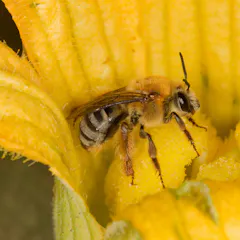
EU-banned pesticides could not only threaten wild bees where they eat, but where they sleep too.
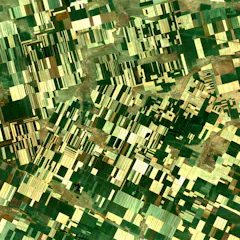
The steep decline in biodiversity is worrying, especially as wild species are important for pollination and pest control.
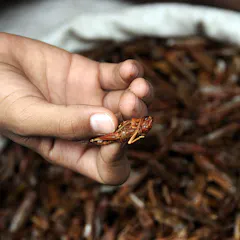
Eating locusts is an old strategy used to get food after locusts devastated crops, but things have changed.
Top contributors
-

Clinical Associate Professor, School of Medical Science & Sydney Infectious Diseases Institute; Principal Hospital Scientist, University of Sydney
-
Professor of Biology (Evolution, Behaviour and Environment), University of Sussex
-
Research Scientist, The University of Queensland
-
Professor of Entomology and Extension Specialist, Penn State
-
Associate Professor, University of Pretoria
-
Associate Professor at the Wits Research Institute for Malaria in the Faculty of Health Sciences, University of the Witwatersrand
-
Postdoctoral Fellow Forestry and Agricultural Biotechnology Institute, University of Pretoria
-
Laboratory Manager/PhD student
-
Research fellow, University of Glasgow
-
Chancellor's Post Doctoral Research Fellow, University of Technology Sydney
-
Lecturer in Remote Sensing and GIS, Aberystwyth University
-
Senior Lecturer in Pharmacology, Adelaide University
-
Professorial Fellow, ARC Centre of Excellence for Coral Reef Studies, James Cook University
-
Ecological Entomologist, UK Centre for Ecology & Hydrology
-
Lecturer in Ecology, University of New England