
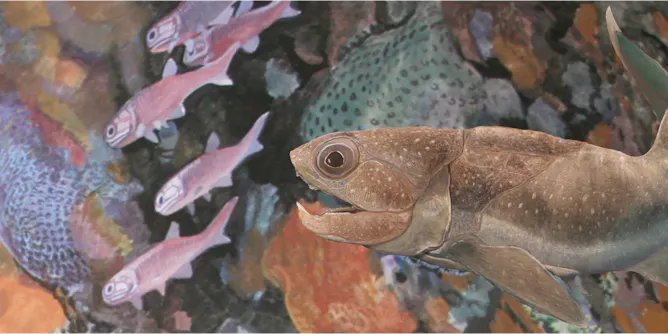
A new study of ancient, extinct fish known as placoderms provides another piece of the evolutionary puzzle about our deep time, aquatic ancestors.
Articles on Paleontology
Displaying 21 - 40 of 184 articles
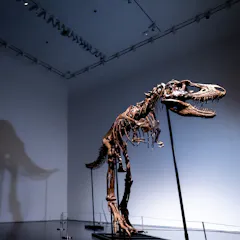
Dinosaur fossils are sold for millions to private collectors. These fossils are scientific evidence, and need to be accessible for research and public education.
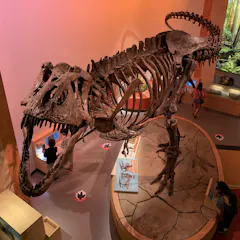
A physicist applies new technologies to studying ancient fossils, and makes some intriguing discoveries.
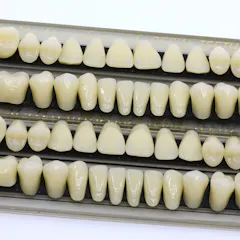
The balance of different varieties of atoms inside a person’s teeth can reveal a week-by-week record of rainfall and protein consumption during their infancy.
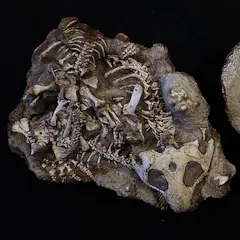
A new fossil discovery suggests that reptiles lived together 20 million years earlier than previously thought.
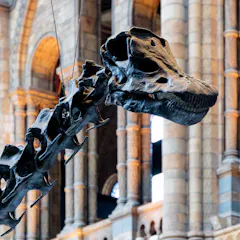
Dippy has been seen up close by more people around the world than any other dinosaur.
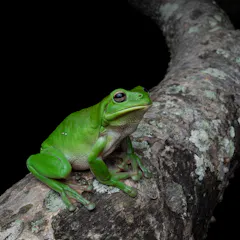
The new species is the earliest known Australian tree frog.

Researchers reexamining fossils identified telltale marks made by human ancestors cutting meat from bones. The discovery pushes back the date hominins started living in Europe by 200,000 years.

A fossil face reveals that a prehistoric human species reached Western Europe much earlier than anybody thought.
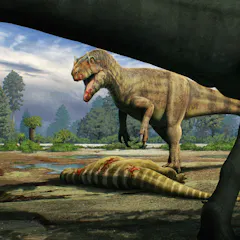
If we struggle to work out what the whole animal looked like most of the time, how can we begin to piece together their lives and how they behaved?
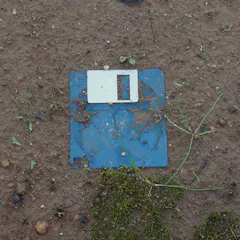
Chickens, concrete, computers and clothes will leave a billion-year mark in the rocks.
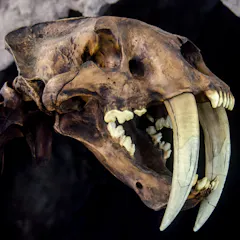
The long, sharp, blade-like canines found in many extinct predators evolved at least five times throughout history.
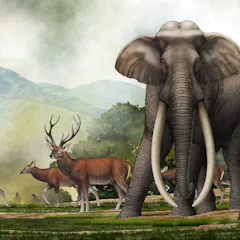
Eurasia and Africa were once populated by 13-tonne, 4 metre tall elephants, but their evolution has long remained a puzzle. A giant fossil skull from Kashmir paves way to unlocking their mysteries.

Evolution is often depicted as a steady forward march from simple to complex forms. But new research shows that certain ferns can evolve ‘backward.’
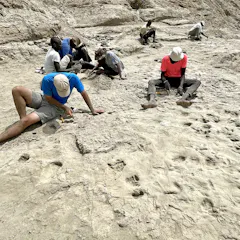
Ancient fossil footprints are the first evidence of two different hominin species − Homo erectus and Paranthropus boisei − living in the same place at the same time.

Yohannes Haile-Selassie is responsible for some of the most remarkable ancient human fossil discoveries in his home country.
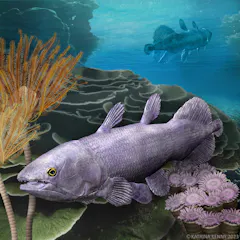
Researchers have discovered a new extinct species of coelacanth that lived 380 million years ago.
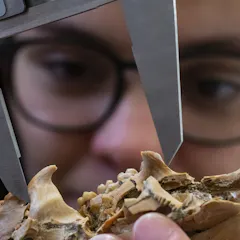
Modern North American porcupines are at least twice the size of their southern cousins and have stronger jaws. But how long have they looked that way?
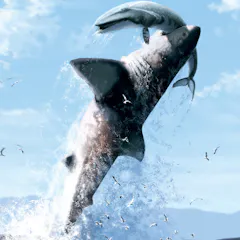
Megalodon, the giant shark species that disappeared around 3.6 million years ago, was the most ferocious creature that ever lived. What do we know about it?
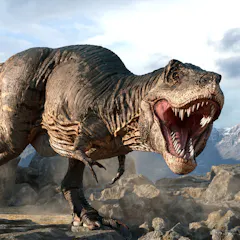
Paleontologist Bill Ausich explains whether dinosaurs could ever roam the Earth again. Listen on The Conversation’s Curious Kids podcast.
Top contributors
-

Emeritus Strategic Professor in Palaeontology, Flinders University
-
Professor of Vertebrate Palaeontology, University of Bristol
-
Chancellor's Fellow in Vertebrate Palaeontology, University of Edinburgh
-
DeWitt Wallace Professor of Biology and Geology, Macalester College
-
Associate professor in Vertebrate Palaeontology, University of the Witwatersrand
-
Palaeontologist, University of Southampton
-
Adjunct professor, UNSW
-
Associate Professor in Ancient DNA, University of Otago
-
Professor of Palaeobiology, University of Leicester
-
John Curtin Distinguished Professor, Molecular and Life Sciences, Curtin University
-
Professor of Palaeobiology, University of Leicester
-
Professor of Earth and Atmospheric Sciences, Biology and Anthropology, Indiana University
-
Senior Research Scientist, South Australian Museum; Flinders University
-
Lecturer in the School of Applied Sciences, Edinburgh Napier University
-
Research Fellow in Biological Anthropology, Monash University