
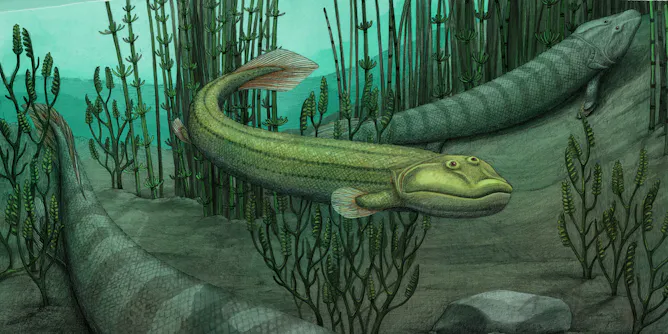
The newly discovered species – Qikiqtania – highlights evolution’s twisty, tangled path.
Articles on Paleontology
Displaying 61 - 80 of 184 articles
A biologist explains how researchers nail down the age of ancient fossils thanks to a physical process called radioactive decay.

A terrifying sight in ancient waters, the megalodon shark was once the most feared creature in the sea.
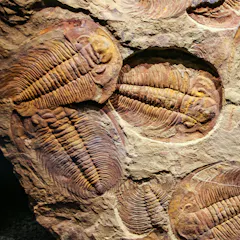
Australia has them, so why doesn’t New Zealand have national or regional fossil emblems? A campaign to change that kicks off today.
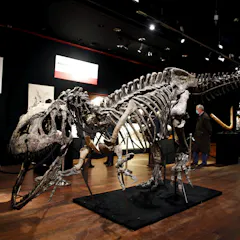
The sale of fossils at auction houses reflects a problematic trend of privileging profit over knowledge and education.
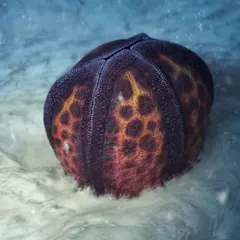
The discovery of a unique 510 million-year-old fossil in a Pennsylvania churchyard offers new clues into how early life evolved on Earth.
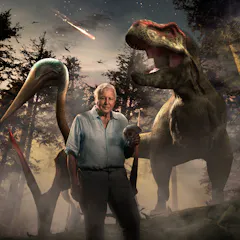
A recent BBC documentary examined fossils thought to have been made when an asteroid wiped out the dinosaurs.
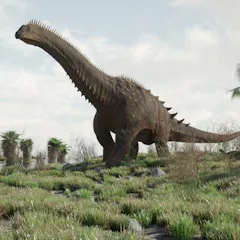
Thanks to our new technique using fossilised tracks, we have been able to learn more about the locomotion of the largest creatures ever to have roamed this planet.

Macaque tooth wear was identical to our ancestors, throwing into question the long held belief that tool use caused the markings on hominin tooth fossils.
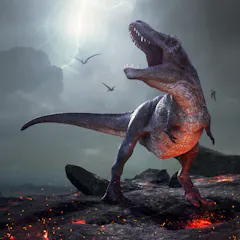
A recent study provides additional evidence that the dinosaurs died in June.
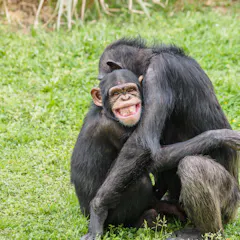
We studied 8,000 primate teeth and finally confirmed that humans are not the only living primate to suffer from cavities. But there are interesting differences.
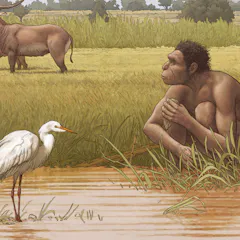
If scientific research is to take decolonization seriously, names for species should reflect this approach and consider the political, social and emotional implications.
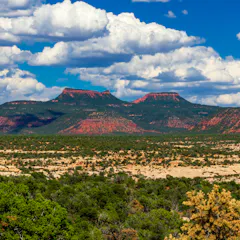
The Biden administration is restoring full protection to three national monuments that President Trump sought to cut down drastically.
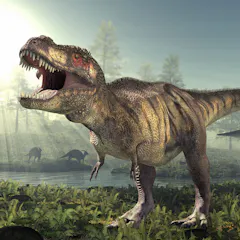
Ever since moviegoers saw the first ‘Jurassic Park,’ millions have wondered if scientists could make a dinosaur in the lab.

These giant predators are helping solve the mystery of Earth’s cooling shift some 50 million years ago.
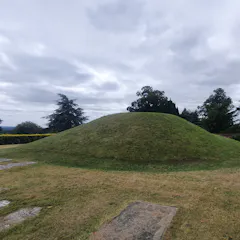
New analysis of Anglo-Saxon skulls suggests that being an Anglo-Saxon was a matter of language and culture, and not genetics.
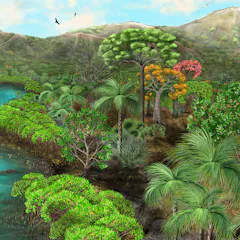
Using remnants of fossilized trees, scientists and an artist figured out what the forest looked like long before humans existed.
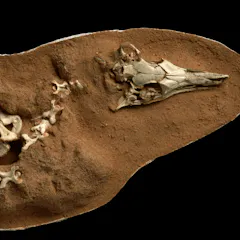
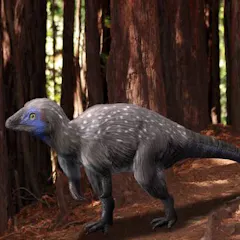
By looking at the eye bones and ear canals of extinct dinosaurs, researchers show that a small ancient predator likely hunted at night and had senses as good as a modern barn owl.
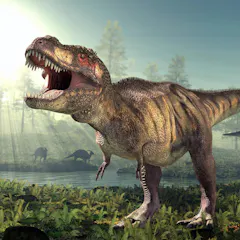
Using the incredible wealth of fossil data and a modern ecological theory, researchers estimated population density for the extinct apex predator.
Plus, what Israel’s latest election could mean for its foreign policy. Listen to episode 11 of The Conversation Weekly podcast.
Top contributors
-

Emeritus Strategic Professor in Palaeontology, Flinders University
-
Professor of Vertebrate Palaeontology, University of Bristol
-
Chancellor's Fellow in Vertebrate Palaeontology, University of Edinburgh
-
DeWitt Wallace Professor of Biology and Geology, Macalester College
-
Associate professor in Vertebrate Palaeontology, University of the Witwatersrand
-
Palaeontologist, University of Southampton
-
Adjunct professor, UNSW
-
Associate Professor in Ancient DNA, University of Otago
-
Professor of Palaeobiology, University of Leicester
-
John Curtin Distinguished Professor, Molecular and Life Sciences, Curtin University
-
Professor of Palaeobiology, University of Leicester
-
Professor of Earth and Atmospheric Sciences, Biology and Anthropology, Indiana University
-
Senior Research Scientist, South Australian Museum; Flinders University
-
Lecturer in the School of Applied Sciences, Edinburgh Napier University
-
Research Fellow in Biological Anthropology, Monash University