

A researcher at Tufts University near Boston discovered an old book full of research on starvation written by Jewish doctors imprisoned in the Warsaw Ghetto.
Articles on Nutrition
Displaying 301 - 320 of 822 articles
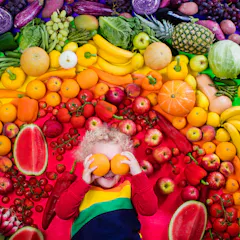
Encouraging your child to ‘eat a rainbow’ is backed by the evidence and can start more well-rounded and positive conversations with them about foods.
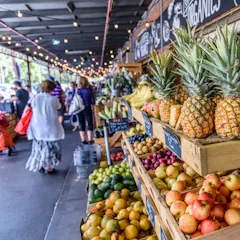
Nearly two-thirds of suburbs in one major part of Sydney have no food stores at all. And in those that do, unhealthy food outlets outnumber healthy ones by more than six to one.

Rapid increases in food prices due to inflation mean many Canadians may be making different food choices. Here are the possible short- and long-term effects of that, and some ways to save money.
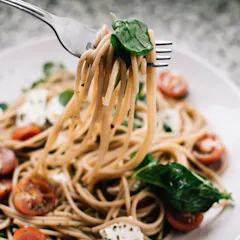
Low carb diets are popular and pasta is often in the firing line for those who think it might contribute to weight gain. But your favourite dinner is being unfairly maligned!

Nutritionists pick out the most effective intermittent fasting diets based on the latest science.
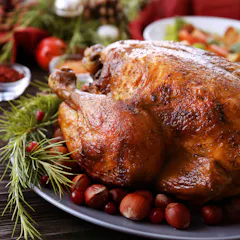
Some healthy habits to adopt over the festive period.
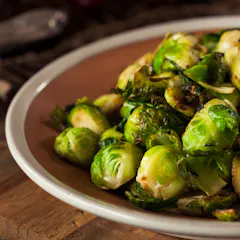
Don’t underestimate the nutritional punch this diminutive cabbage packs.
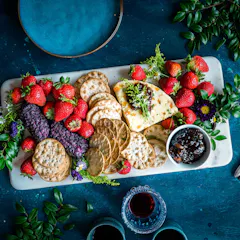
You want to look as if you’ve put in a bit of effort, but don’t want to blow the budget. Here are some top tips of what to take to Christmas.
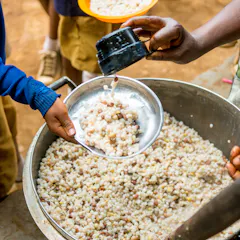
Children who need help most tend to experience adversity throughout childhood. That continuing adversity muffles the benefit of improved early nutrition.
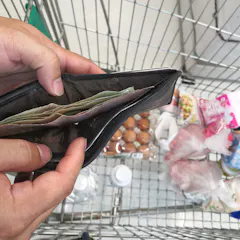
A country of plenty like Australia should be able to ensure no one is denied their right to adequate food. But food insecurity is on the rise, and we aren’t even properly monitoring the problem.
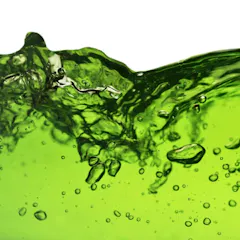
Health claims for chlorophyll water are all over TikTok. We looked at the evidence to see what stacked up.
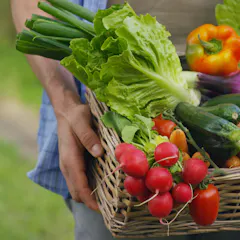
Most of us know we should eat different coloured fruits and vegetables, but do you know why?
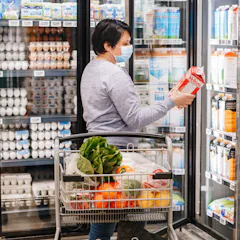
Inflation is driving up food prices and could have a severe impact on the health of Canadians. When the cost of food increases, it restricts the availability of nutritious foods for low-income people.
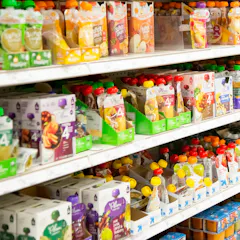
‘Free sugars’ should only make up 10% of children’s diets. But Australian toddlers are eating 11% sugar on average.
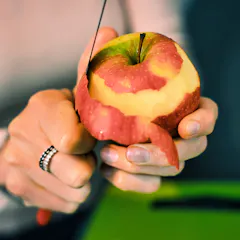
Not all fruit and vegetables need to be peeled. In fact, a lot of nutrients are lost when we peel them.

Research suggests a meal prepared onsite is likely to be the most achievable way of rolling out school lunches in Australia.

From curbside pick-up to online delivery, COVID-19 has had a significant impact on how we consume food. But will those impacts be permanent?

Despite the impact of flooding on food security, it is not recognised as a threat by policymakers.
Unlike some other countries, junk food remains inexpensive and easily accessible in Australia and is widely marketed to kids.
Top contributors
-

Laureate Professor in Nutrition and Dietetics, University of Newcastle
-
Professor of Community Health and Wellbeing, The University of Queensland
-
Program Director of Nutrition and Food Sciences, Accredited Practising Dietitian, Adelaide University
-
Accredited Practising Dietitian and Lecturer, Southern Cross University
-
Senior Lecturer, Nutrition and Food Science, Australian Catholic University
-
Honorary Associate Professor, University of Leicester
-
Senior Lecturer, Nutrition, Swinburne University of Technology
-
Associate Professor, Deakin University
-
Senior Visiting Fellow, School of Medical Sciences, UNSW
-
Professor of Public Health Policy, Deakin University
-
Associate Professor, Institute for Physical Activity and Nutrition, Deakin University
-
Associate Professor of Gastroenterology, School of Medicine, University of Washington
-
Programme Lead Nutrition and Health, Edge Hill University
-
Clinical Trials Director, Department of Endocrinology, RPA Hospital, University of Sydney
-
Professor of Genetic Epidemiology, King's College London