

Publicly accessible gardens are an essential part of our food system. It’s important for policymakers to understand that growing food in city gardens is central to health, food security and culture.
Articles on Nutrition
Displaying 341 - 360 of 824 articles
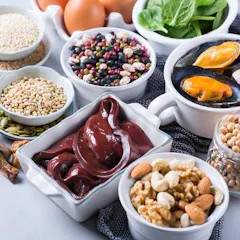
Getting enough iron is tricky – even if we eat enough, we might not absorb enough. But diversifying the menu and looking for fortified foods can help.

Riders in the 2022 Tour de France will ride more than 2,100 miles (3,400 km) over the 21 flat and mountainous stages of the race. And they will burn an incredible amount of energy while doing so.

Cutting your grocery bill takes planning and flexibility – and knowing your budget. Here’s how to get started.
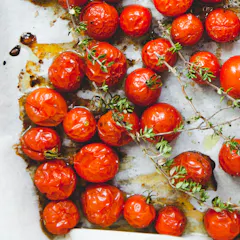
Heat can release bound up nutrients from vegetables.

Child malnutrition is no stranger to high-income countries. In Canada and the U.S., food insecurity affects one in six children under 18, but policies to address the issue are still lacking.

An expert on food policy explains how the end of COVID-19 waivers will impact children’s access to food, as well as the importance of food banks and pantries.

A compound in sea squirts seemed to reverse some of the signs of ageing in middle-aged mice, but will it work in humans?
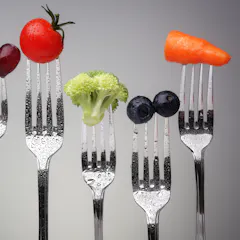
Research into bioactives often results in headlines about amazing foods. Really, it is just a tiny part of the food, often found elsewhere as well.

Proponents of intermittent fasting say the clock can help you win the battle of the bulge. But the science behind it is a little more complicated.

The herbicide revolution reduces the availability of edible weeds, which may undermine food and nutrition security.
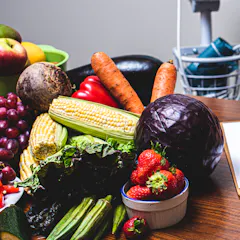
Food security is crucial to disease prevention and management, so prescribing healthy foods and reducing barriers to better diets makes sense. But food prescriptions should not be immune to scrutiny.

Water and lemon juice on their own are healthy. But what if you combine them?

Experts say making meals available to all students reduces the stigma associated with a free lunch.

Too sleepy? In a rush? Or something more concerning? Teenagers often get turned off breakfast. Chat to them to find out why and offer some easy options.
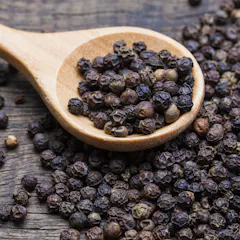
The king of spices has many health benefits – in rats, at least.
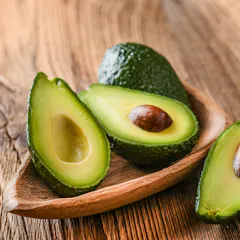
Eating half an avocado twice a week could slash your risk of getting heart disease.

Following school lunchbox guidelines can be a challenge for parents. Here are our top tips for reducing parents’ lunchbox anxiety and increasing the healthiness of kids’ lunches.

Aged care reform remains unfinished business for Labor. It made a start this week but more needs to come.

Healthy eating is not just what you eat, but when you eat. Eating rhythms that are in sync with the circadian clock can benefit general well-being and may have a protective effect against mental illness.
Top contributors
-

Laureate Professor in Nutrition and Dietetics, University of Newcastle
-
Professor of Community Health and Wellbeing, The University of Queensland
-
Program Director of Nutrition and Food Sciences, Accredited Practising Dietitian, Adelaide University
-
Accredited Practising Dietitian and Lecturer, Southern Cross University
-
Senior Lecturer, Nutrition and Food Science, Australian Catholic University
-
Honorary Associate Professor, University of Leicester
-
Senior Lecturer, Nutrition, Swinburne University of Technology
-
Associate Professor, Deakin University
-
Senior Visiting Fellow, School of Medical Sciences, UNSW
-
Clinical Trials Director, Department of Endocrinology, RPA Hospital, University of Sydney
-
Associate Professor, Institute for Physical Activity and Nutrition, Deakin University
-
Professor of Genetic Epidemiology, King's College London
-
Professor of Public Health Policy, Deakin University
-
Programme Lead Nutrition and Health, Edge Hill University
-
Associate Professor of Gastroenterology, School of Medicine, University of Washington