

People with aphantasia can’t imagine seeing things in their mind. People with ‘deep aphantasia’ may have no inner voice, either, and different real-world visual experiences.
Articles on Neuroscience
Displaying 181 - 200 of 856 articles

Truly ignorant individuals lack introspection and stubbornly cling to their irrational opinions.
Neuropolitics is the science of using your brain activity to predict your political preferences. You might not like it but it’s already in use.
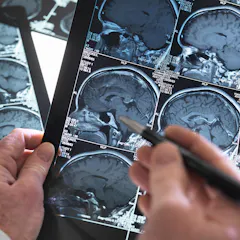
Middle age could be a period when we can detect early risk factors of future cognitive decline.
No one can escape stress, but sometimes it takes a physical and emotional toll that translates to disease and other health effects. The good news is that there are new approaches to treating it.

Not much is known about the predator fly Laphria saffrana. New research identified how they count the wingbeats of their favored prey, letting it slip out of focus before adjusting their heads.
We envisage a future in which sleep is a routine target for reducing or preventing symptoms of mental illness, both in psychiatric settings and people’s homes

Back pain is common. One in thirteen people have it right now and worldwide a staggering 619 million people will have it this year. Chronic pain, of which back pain is the most common, is the world’s most…
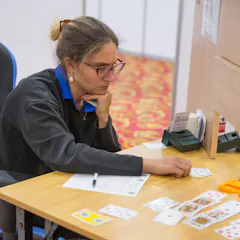
Male domination in bridge means there can be a lack of recognition of the structural barriers for women.
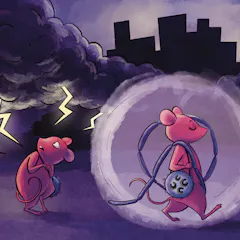
The organisms living in your gut microbiome can influence your mental and physical health. Researchers have developed a way to better test for those biological effects.
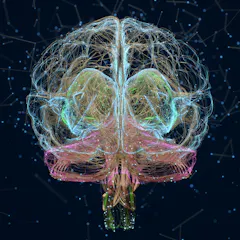
Brain-computer interface devices have the potential to boost users’ autonomy, especially for people who experience paralysis. But that comes with risks, as well.

Oral contraceptives modify the menstrual cycle. What’s less well known is that they also reach the brain, particularly the regions important for regulating emotions.

Improved understanding of the molecular mechanisms of addiction can change how researchers and clinicians approach treatments.
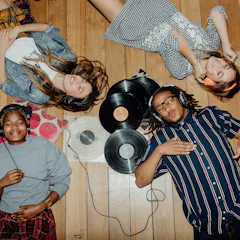
Lots of factors can influence your music taste, from your age and where you’re from to the personality traits you have.

The preference for fairness emerges early in childhood, suggesting it is to some extent hardwired.
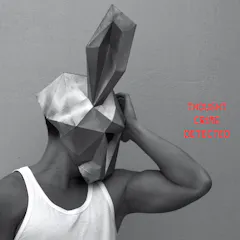
Corporate and political actors know more about how our minds work than we do. The right to free thought can no longer be our ‘forgotten freedom’
Montréal is home to one of the world’s largest brain banks, the Douglas-Bell Canada Brain Bank, where discoveries about different neurological and psychiatric diseases are made.

You likely know that the sight and smell of food can trigger cravings. But internal cues from your gut and your brain play just as important a role in the decisions you make around food.
Neuromorphic computers aim to one day replicate the amazing efficiency of the brain.
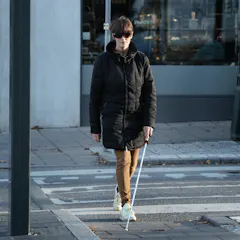
Detecting and tracking motion is key to survival. The ability to extract auditory information from a noisy environment changes when your brain isn’t wired to rely on vision.
Top contributors
-

Professor of Clinical Neuropsychology, University of Cambridge
-
Penn State
-
Postdoctoral Research Associate, Cognitive Neuroscience, University of Cambridge
-
Senior Lecturer (Adjunct), Nutritional neuroscientist, Adelaide University
-
Head of Developmental Psychobiology Lab, Deakin University
-
Postdoctoral Researcher in Cognitive Neurosciences, The University of Queensland
-
Senior Research Fellow, Uehiro Centre for Practical Ethics, University of Oxford
-
Professor of Anatomy, University of Bristol
-
Professor Emeritus of Cognitive NeuroImaging, Aston University
-
Professor of Cognitive Neuroscience, Bangor University
-
Senior Research Fellow, The Perron Institute for Neurological and Translational Science, and Faculty of Health Sciences, Curtin University
-
Associate Professor of Family & Community Medicine and Pediatrics, retired, University of California, San Francisco
-
Professor of Behavioral Neuroscience, University of Richmond
-
Lead, Cognition and Consciousness Imaging Group, Division of Anaesthesia, University of Cambridge
-
Associate Professor in Clinical Psychology and Neuropsychology, Trinity College Dublin