

The pain of post-herpetic neuralgia can drive people to the point of suicide. Researchers are getting closer to pinpointing its cause – which may extend to other forms of neuropathy.
Articles on Neurology
Displaying 1 - 20 of 142 articles

A person with Tourette syndrome who holds back their tics may look fine, but keeping these involuntary urges contained can be draining.

A study across 18 western countries has found that left-handed people sit on the left of the political spectrum and the data suggests it has more to do with identity than biology.

Caregivers often seek a specific age that their child can be left home alone. However, the neuroscience of brain development suggests that readiness depends on much more than a birthday.
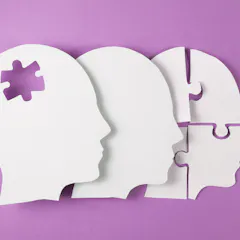
Millions of people suffer from debilitating symptoms their doctors don’t quite believe. But advances in neuroscience and education may be changing the tides for treatment.
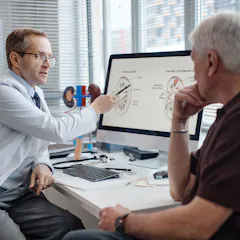
Kidney disease is often associated with dialysis or transplants, but it also affects memory and concentration, and increases stroke risk.
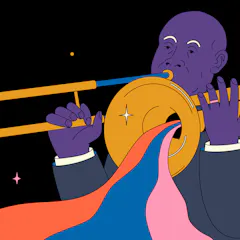
Playing improv music activates the reward system of the brain.

This little-known brain disorder is currently one of the biggest challenges facing medicine where age-related diseases are concerned.

Dream-like states are not confined to sleep: the brain is able, very surprisingly, to produce the same mental experience independently of our state of vigilance.

Do people have a natural aversion to putting in the effort or wasting effort?

Whenever you ride a bike or knit a sweater, you’re using your procedural memory. Two cognitive scientists explain what it is and how it works.

More than 6 million Australians experience migraines. Knowing how they develop could help you or your loved ones manage the worst symptoms.

New research shows that parents who read to their 6- to 8-year-olds nightly boost their children’s creativity and empathy.

Rehabilitation from stroke has traditionally focused on improving the function of the most severely affected arm. But training the other arm might actually lead to more gains.
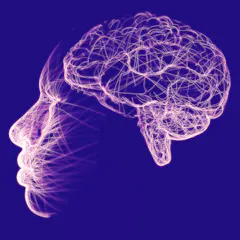
Some children recover better after traumatic brain injury than others, despite appearing similarly to doctors. Looking at the genetic and cellular level, however, reveal key differences.

Modern science is increasingly validating what many traditions have long held: Singing and chanting can have profound health benefits.

Many different types of stress can trigger a headache. Luckily, there are treatments that can help stop your head from pounding.
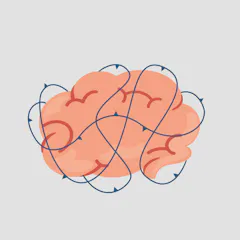
Chronic pain affects millions of people in the US. Targeting an oft-overlooked brain receptor could one day offer relief.
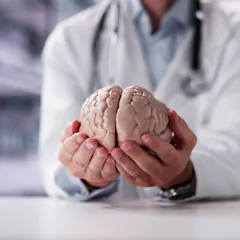
The insulin discovery we forgot.

Wildfire smoke doesn’t just darken the skies — it harms the brain, especially in those most vulnerable.
Top contributors
-

Professor of Neurology, Norman Fixel Institute, University of Florida
-
Associate Professor, Texas A&M University
-
Assistant Professor of Neurology, University of Colorado Anschutz
-
Professor of Neuroscience and Neurology, University of Virginia
-
Honorary Associate Professor, Journalism, University of Wollongong
-
Associate Professor, University of Sydney
-
Science communicator & grants reviewer, The University of Queensland
-
Postdoctoral research fellow, Centre for Neural Engineering, The University of Melbourne
-
Conjoint Clinical Associate Professor, Deakin University School of Medicine and Specialist Pain Medicine Physician, Deakin University
-
Postdoctoral research student, KEMRI-Wellcome Trust Research Programme, Kenya Medical Research Institute
-
ARC Future Fellow and Associate Professor of Cultural Studies, The University of Queensland
-
Assistant Professor of Child Neurology, University of Pittsburgh
-
Professor and Clinical Neuropsychologist, Monash University
-
Senior Lecturer, Australian National Centre for the Public Awareness of Science, Australian National University
-
Senior Deputy Director, Florey, Neurologist Austin Health, Florey Institute of Neuroscience and Mental Health