
Neuromorphic technology is reimagining how computers should work.
Articles on Brain science
Displaying 1 - 20 of 61 articles

Becoming a father naturally drops men’s testosterone levels. And the more involved they are, the more it drops.

Around 20% of adults procrastinate regularly. Yet a lot of what we hear about this common behaviour is wrong.

Your brain isn’t just looking – it’s predicting. Here’s why that means you can stare straight at something and still not see it.

Within a fraction of a second of seeing another person being touched, our brains figure out who is involved and how it might feel.
Better sleep may help clear toxins associated with dementia from the brain.

Our brains know we’ll change our minds before we do. Understanding how might help us learn to make better decisions.
We don’t yet know the health effects of microplastics in the brain. But until we find out more, it’s best to limit our exposure to plastics where we can.

Fluctuating hormones affect the frequency of seizures at multiple times in women’s lives. So we need to tailor their therapies accordingly.

Neuroscientist John Kounios tells The Conversation Weekly podcast about what his new research with jazz musicians revealed about the brain mechanisms of creative flow.
Brain scanners and AI can turn brainwaves into streams of text – but language only captures a tiny fraction of our mental experience.
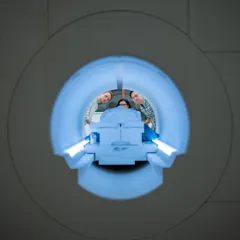
As Elon Musk’s Neuralink begins inserting chips into human brains, we trace the history of ‘mind reading’ technology and assess the potential risks and rewards
Big names in consciousness research have signed an open letter attacking ‘integrated information theory’ as pseudoscience, sparking uproar.

More invasive devices have prompted new debates about privacy and freedom. But it’s important to keep in mind that other technologies already sense and shape our thoughts, a neuroethicist argues.
New research may upend our understanding of the brain, showing that travelling waves of neuronal excitation dominate the activity associated with our thoughts and feelings.

Listen to the third episode of our series Uncharted Brain: Decoding Dementia via The Anthill podcast.

Listen to the first episode of our series Uncharted Brain: Decoding Dementia via The Anthill podcast.

The physical activity and social connection that take place at recess help children be more engaged once back in the classroom.
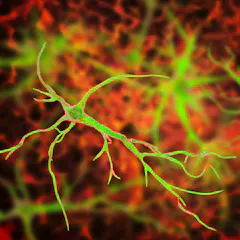
From the archive: new research helps unpick clues about the brain’s ability to change its structure. Listen to The Conversation Weekly podcast.

Fetal brains are changing rapidly over the course of pregnancy, but so are the brains of mothers-to-be. Neuroscience research shows one way worry can start taking hold – and a simple way to help.
Top contributors
-

Host, The Conversation Weekly Podcast, The Conversation
-
Professor of Psychology, University of Essex
-
Postdoctoral Fellow, UO Institute of Neuroscience and Howard Hughes Medical Institute, University of Oregon
-
Professor of Clinical Neuropsychology, University of Cambridge
-
Investigations Editor, Insights, The Conversation
-
Professor, Centre for Human Psychopharmacology, Swinburne University of Technology
-
Professor and Head of Epigenetics and Neural Plasticity, Florey Institute of Neuroscience and Mental Health
-
Academic Clinical Fellow, University of Cambridge
-
Associate Professor, Psychology, Heriot-Watt University
-
Research Associate, Department of Psychiatry, University of Cambridge
-
Professor of Cognitive Neuroscience, UCL
-
Penn State
-
Professor of Cognitive Neuroscience, UCL
-
Senior Lecturer in Psychology, Manchester Metropolitan University
-
Skye McDonald is a Friend of The Conversation.
Professor of Clinical Neuropsychology, UNSW