

Cachexia, or wasting syndrome, causes around 80% of patients with advanced cancer to withdraw from life.
Articles on Neuroscience
Displaying 121 - 140 of 856 articles

Advances in technology are making it easier to explore this question.

Stress, exercise and even sex can reduce pain.

Opioids and other addictive drugs can alter the rhythmic activity of genes involved in sleep-wake cycles.
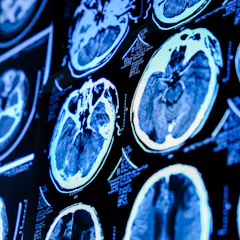
There are several lifestyle risk factors that increase the risk of brain aneurysms.

Pain is unpleasant, but it does have a purpose.

Willpower is like a muscle – it only gets stronger if you actually use it.

Real ‘split brain’ patients have existed since the 1940s.
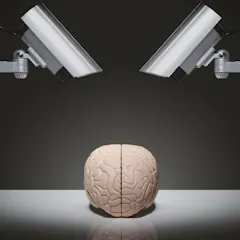
Neurotechnology raises many high-stakes ethical questions. Setting ground rules could help protect workers and ensure that tasks are adapted to the person, rather than the other way around.
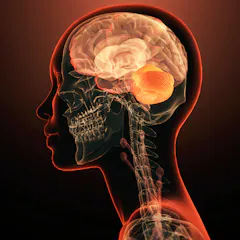
Conditions such as long COVID-19, Alzheimer’s disease and meningitis can damage the line of communication between your brain and your muscles.
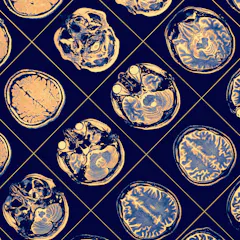
Standard medical exams miss subtle signs of awareness in around 40% of cases.
Many believe ADHD is purely behavioural, but we can detect it by looking at brainwaves.

Hypnosis is safe and can work as both a stand-alone or a complementary treatment with other therapies.

Reading can change the brain.

Understanding how new neurons affect brain function throughout adulthood can offer new approaches to treating epilepsy and dementia.

Neuroscientists found that music cannot only influence your emotions in the present − it can also alter how you remember your memories.

Research shows people with more vivid visual imaginations may also be more prone to certain kinds of intrusive thoughts.

Brain-training games may have cognitive benefits, but other challenging activities are proven to help our brains function at their best.

Equipped with a rodent version of a Cybertruck, these driving rats reveal that positive experiences may sculpt the brain just as powerfully as stressful ones
Are neurons star players, or do they prioritise teamwork? A new study has uncovered an answer for this long-standing debate about the brain.
Top contributors
-

Professor of Clinical Neuropsychology, University of Cambridge
-
Penn State
-
Postdoctoral Research Associate, Cognitive Neuroscience, University of Cambridge
-
Senior Lecturer (Adjunct), Nutritional neuroscientist, Adelaide University
-
Head of Developmental Psychobiology Lab, Deakin University
-
Postdoctoral Researcher in Cognitive Neurosciences, The University of Queensland
-
Senior Research Fellow, Uehiro Centre for Practical Ethics, University of Oxford
-
Professor of Anatomy, University of Bristol
-
Professor Emeritus of Cognitive NeuroImaging, Aston University
-
Professor of Cognitive Neuroscience, Bangor University
-
Senior Research Fellow, The Perron Institute for Neurological and Translational Science, and Faculty of Health Sciences, Curtin University
-
Associate Professor of Family & Community Medicine and Pediatrics, retired, University of California, San Francisco
-
Professor of Behavioral Neuroscience, University of Richmond
-
Lead, Cognition and Consciousness Imaging Group, Division of Anaesthesia, University of Cambridge
-
Associate Professor in Clinical Psychology and Neuropsychology, Trinity College Dublin