
Racial threats and slights take a toll on health, but the continual invalidation and questioning of whether those so-called microaggressions exist has an even more insidious effect, research shows.
Articles on Neuroscience
Displaying 201 - 220 of 856 articles
The human brain uses up 20% of the energy we consume.

Can a trip to a museum help cure mental dullness? Here’s what the science has to say.

Could Chomsky have foreseen where his contributions would lead us?
Electroconvulsive therapy often evokes inaccurate images of seizing bodies and smoking ears. Better understanding of how it reduces depression symptoms can illuminate new ways to treat mental illness.

When people find themselves displaced from their homes, finding or creating beauty can be just as vital as food, water and shelter − and serves as a form of resistance and resilience.

Most people can draw from tens of thousands of words in their memory within milliseconds. Studying this process can improve language disorder treatment and appreciation of the gift of communication.
Spanning evolutionary biology, genetics, development, neurobiology, endocrinology and psychology, as well as current events and sports, students explore the complexities of the biology of sex.

Itch-sensing neurons in your skin are intertwined with your immune cells. Counterintuitively, the molecule that connects them triggers responses that both worsen and improve skin conditions.

Cognitive disorders can often impact self-confidence, for the better or for the worse. But we won’t be able to offer adequate treatment unless we understand the mechanisms, one scientist warns.

Change in the brain usually comes with plenty of effort over time. Neuroscientists are working to understand how psychedelic drugs provide a shortcut that seems to rely on existing brain systems.
There’s a battle over consciousness research – and whether it can be understood purely through science.
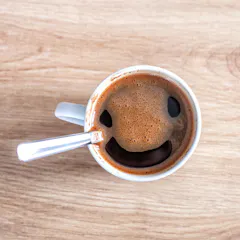
It’s pretty common to see face-like patterns in objects – but this quirk can give us insights into human psychology and evolution.

From dopamine hacking to dopamine detoxes, some people have sought to harness this brain chemical to improve their mood and productivity. But it’s far more complicated than that.

Ever looked at a familiar face and found it suddenly unusual or unknown? You may have had a case of jamais vu.

The science of human consciousness offers new ways of gauging machine minds – and suggests there’s no obvious reason computers can’t develop awareness.

Although emotions like fear and anxiety originate in your brain, they ultimately travel through your body and make your heart race and your stomach twist.
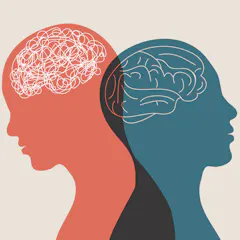
Combining psychotherapy with medication can lead to more immediate and enduring results by boosting the brain’s neuroplasticity.

Visualization is an essential part of the scientific process. Advances in imaging have enabled eye-opening discoveries, not only for scientists and researchers but also for the general public.

The idea that each person has a particular learning style is a persistent myth in education. But new research provides more evidence that you won’t learn better in one modality than another.
Top contributors
-

Professor of Clinical Neuropsychology, University of Cambridge
-
Penn State
-
Postdoctoral Research Associate, Cognitive Neuroscience, University of Cambridge
-
Senior Lecturer (Adjunct), Nutritional neuroscientist, Adelaide University
-
Head of Developmental Psychobiology Lab, Deakin University
-
Postdoctoral Researcher in Cognitive Neurosciences, The University of Queensland
-
Senior Research Fellow, Uehiro Centre for Practical Ethics, University of Oxford
-
Professor of Anatomy, University of Bristol
-
Professor Emeritus of Cognitive NeuroImaging, Aston University
-
Professor of Cognitive Neuroscience, Bangor University
-
Senior Research Fellow, The Perron Institute for Neurological and Translational Science, and Faculty of Health Sciences, Curtin University
-
Associate Professor of Family & Community Medicine and Pediatrics, retired, University of California, San Francisco
-
Professor of Behavioral Neuroscience, University of Richmond
-
Lead, Cognition and Consciousness Imaging Group, Division of Anaesthesia, University of Cambridge
-
Associate Professor in Clinical Psychology and Neuropsychology, Trinity College Dublin