

Our research shows our brains are still evaluating our decisions even as we act them out. Better awareness of what influences last-minute decision-making can help us make better choices.
Articles on Neuroscience
Displaying 161 - 180 of 856 articles
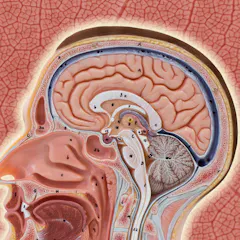
Our body fiercely protects the brain by holding onto things that help it and keeping harmful things out, such as toxins and bugs that can cause infection.

Animals have these kinds of brain hemisphere biases too.
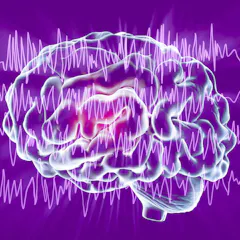
Deciphering how neurons talk to each other by reading the brain’s electrical activity has given scientists insights into memory and conditions like epilepsy and Alzheimer’s.

Chronic pain is often caused by a hyper-vigilant nervous system which exaggerates the pain signal even after damaged tissue has healed. Similar processes are at play in persistent fatigue.

Momentary shifts in mood profoundly alter the brain’s response to pleasure in people with bipolar disorder.

Fluctuating hormones affect the frequency of seizures at multiple times in women’s lives. So we need to tailor their therapies accordingly.

People are generally more prone to activating the parts of their brain associated with fear than those linked to rational decision making.

Neuroscientist John Kounios tells The Conversation Weekly podcast about what his new research with jazz musicians revealed about the brain mechanisms of creative flow.

We now have the technology and knowledge to carry out real-time dream experiments with sleeping participants.

The lack of an inner monologue seems linked to a lower ability to recall words and predict their sound.
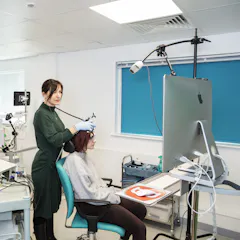
Is the future of mental health treatment ultrasound waves?

Sometimes when the brains of parent and child are too synced it can be a sign of relationship difficulties.

Philosophers have been debating whether we need conditioning to link information from different senses for centuries.
The brain was once thought to be sterile, thanks to the blood-brain barrier. But scientists are beginning to question this.

A new study shows that it is possible to reduce the symptoms of amyotrophic lateral sclerosis by reducing the inflammation caused by immune cells in the brain.

One of the first longitudinal studies of male brain changes across the transition to first-time parenthood finds that becoming a dad affects the brain – without the direct experience of pregnancy.

Eating right, exercising, playing sports, reading and journaling are just a few of the ways you can keep your brain in top shape.

Studying the human brain is difficult because of its vast and intricate network of neural connections. The fruit fly offers a simpler but similar model that researchers can more easily map.
Neuroscientists analyzed the brain waves of 32 jazz guitarists as they improvised to chords and rhythms. Their findings suggest 2 key principles support innovative thinking.
Top contributors
-

Professor of Clinical Neuropsychology, University of Cambridge
-
Penn State
-
Postdoctoral Research Associate, Cognitive Neuroscience, University of Cambridge
-
Senior Lecturer (Adjunct), Nutritional neuroscientist, Adelaide University
-
Head of Developmental Psychobiology Lab, Deakin University
-
Postdoctoral Researcher in Cognitive Neurosciences, The University of Queensland
-
Senior Research Fellow, Uehiro Centre for Practical Ethics, University of Oxford
-
Professor of Anatomy, University of Bristol
-
Professor Emeritus of Cognitive NeuroImaging, Aston University
-
Professor of Cognitive Neuroscience, Bangor University
-
Senior Research Fellow, The Perron Institute for Neurological and Translational Science, and Faculty of Health Sciences, Curtin University
-
Associate Professor of Family & Community Medicine and Pediatrics, retired, University of California, San Francisco
-
Professor of Behavioral Neuroscience, University of Richmond
-
Lead, Cognition and Consciousness Imaging Group, Division of Anaesthesia, University of Cambridge
-
Associate Professor in Clinical Psychology and Neuropsychology, Trinity College Dublin