

Researchers have found dreams are most likely to occur during the stage of sleep known as rapid eye movement, or REM.
Articles on Neuroscience
Displaying 101 - 120 of 856 articles

How can music be such an extraordinary tonic for most of us, but leave others cold?

A new study shows painless brain stimulation technique may improve people’s ability to learn maths skills.
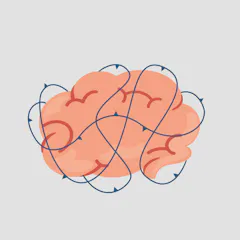
Chronic pain affects millions of people in the US. Targeting an oft-overlooked brain receptor could one day offer relief.
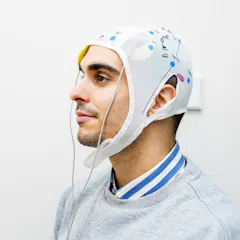
Devices that deliver mild, constant electrical current can alter our brain activity.

Current treatments for alcohol abuse are limited in their effectiveness and come with side effects. Precisely targeting the neurons involved in binge drinking could lead to better options.

Rejection can feel physically painful. It also provides a lesson for your brain on whom to connect with and how.
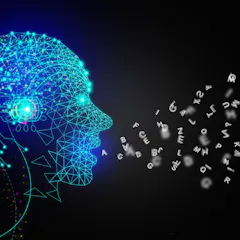
Describing artificial intelligence as having neural networks and understanding language has implications for how we understand both AI and the human brain.

Your brain processes the pleasure of everyday behaviors like eating and drinking similarly to the pleasure of using drugs. Disentangling them requires understanding how memories are formed.

Left and right brains hear speech differently, yet how this divide forms was unclear − until mouse studies showed each hemisphere runs on its own developmental clock.

Cerebrospinal fluid can sometimes leak or collect in the brain without an identifiable cause, leading to symptoms that can be difficult to diagnose.

We live in a fast-paced society that subjects us to information overload and high stress. It might be time to embrace the pause.

Light comes in through our eyes upside down – but we can still interact with the world just fine.

People who read report a deeper understanding of others’ experiences and beliefs.

When it comes to consciousness, theories are like toothbrushes. Everybody has their own and nobody wants to use anybody else’s.

Strategies to recognise people require ‘huge mental effort’ and often don’t work.

Preventing verbal abuse is essential for healthy brain development and lifelong wellbeing.
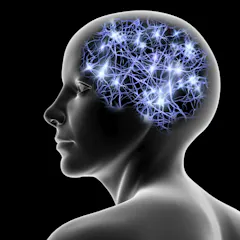
As you experience or encounter new things, your brain must encode this information via the right neural networks at the right time.

Understanding how the brain functions is important for teachers. We surveyed more than 500 early childhood educators about their neuroscience knowledge.

The theory that an increased use of phones and computers has weakened our overall cognitive ability has been around since 2012. But is it true?
Top contributors
-

Professor of Clinical Neuropsychology, University of Cambridge
-
Penn State
-
Postdoctoral Research Associate, Cognitive Neuroscience, University of Cambridge
-
Senior Lecturer (Adjunct), Nutritional neuroscientist, Adelaide University
-
Head of Developmental Psychobiology Lab, Deakin University
-
Postdoctoral Researcher in Cognitive Neurosciences, The University of Queensland
-
Senior Research Fellow, Uehiro Centre for Practical Ethics, University of Oxford
-
Professor of Anatomy, University of Bristol
-
Professor Emeritus of Cognitive NeuroImaging, Aston University
-
Professor of Cognitive Neuroscience, Bangor University
-
Senior Research Fellow, The Perron Institute for Neurological and Translational Science, and Faculty of Health Sciences, Curtin University
-
Associate Professor of Family & Community Medicine and Pediatrics, retired, University of California, San Francisco
-
Professor of Behavioral Neuroscience, University of Richmond
-
Lead, Cognition and Consciousness Imaging Group, Division of Anaesthesia, University of Cambridge
-
Associate Professor in Clinical Psychology and Neuropsychology, Trinity College Dublin