

We found being a night owl increased the risk of having behavioural problems and delayed brain development in later adolescence.
Articles on Neuroscience
Displaying 261 - 280 of 856 articles

During adolescence the brain experiences two opposing tendencies: its capacity for control is not fully developed but the reward system is very active.

We hope our work can help shape building planning and design. That could be classrooms that help us concentrate, or hospital waiting rooms that reduce our anxiety.
The words indicating colours that are available in our mother tongue influence the way we perceive and differentiate colours. Does this mean that language determines our thinking?
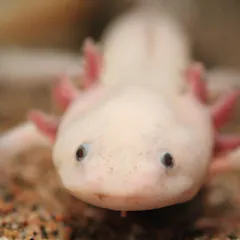
Axolotls are amphibians known for their ability to regrow their organs, including their brains. New research clarifies their regeneration process.
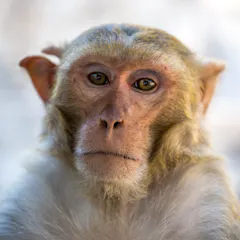
Nonhuman primates like rhesus monkeys share certain characteristics with people that may make them better study subjects than mice for research on neurodegenerative diseases.
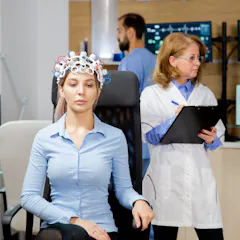
Neurotechnology could mean law firms soon track ‘billable units of attention’ rather than billable hours.

Horizontal number lines are often the default option – but our brains may process numbers more quickly in a vertical arrangement.

Why your eyes move during the REM stage of sleep has puzzled scientists for years. Researchers measured mice brains to look for a possible explanation.

Diets high in fat, sugar and processed foods are associated with higher calorie intake, poorer memory and lower cognitive function.

Why is it so difficult to swat a fly? A team of insect experts explains how a fly’s sophisticated vision allows it to quickly react to visual cues.
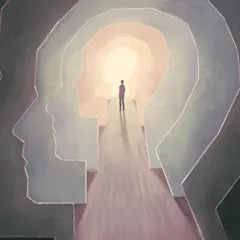
Some scientists believe the ‘free energy principle’ can explain the behaviour of all living things – but others say it paints the world with too broad a brush to be useful.

From figuring out where memories are stored to how sensory information translates to behavior, new technologies are helping neuroscientists better understand how the brain works.

Our team studied the activity of neurons in people with epilepsy. Neurons in the brain regions responsible for triggering seizures were much less diverse.
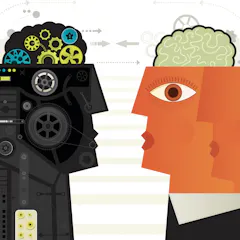
To build a true artificial mind, first map out how thinking works. Enter the Common Model of Cognition.

The key to understanding how brains can recover from trauma is that they are fantastically plastic – meaning our body’s supercomputer can reshape and remodel itself.
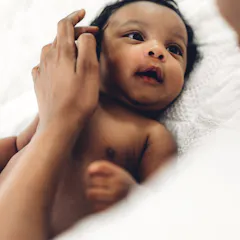
Babies who remain in silence hours after birth have different brains to those who listen to sounds.
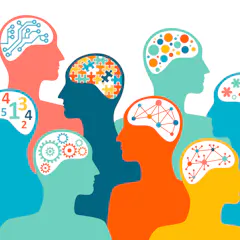
Existing brain connections may influence the effectiveness of neurostimulation. Tailoring treatments to each individual brain could expand the number of conditions brain stimulation can treat.

Parents are often the primary source of information that children receive from their environment. How consistent parents’ interactions with their children are matters.

Children who grow up in disadvantaged areas seem to react more strongly to facial expressions showing anger or fear. But social connections between neighbours can help.
Top contributors
-

Professor of Clinical Neuropsychology, University of Cambridge
-
Penn State
-
Postdoctoral Research Associate, Cognitive Neuroscience, University of Cambridge
-
Senior Lecturer (Adjunct), Nutritional neuroscientist, Adelaide University
-
Head of Developmental Psychobiology Lab, Deakin University
-
Postdoctoral Researcher in Cognitive Neurosciences, The University of Queensland
-
Senior Research Fellow, Uehiro Centre for Practical Ethics, University of Oxford
-
Professor of Anatomy, University of Bristol
-
Professor Emeritus of Cognitive NeuroImaging, Aston University
-
Professor of Cognitive Neuroscience, Bangor University
-
Senior Research Fellow, The Perron Institute for Neurological and Translational Science, and Faculty of Health Sciences, Curtin University
-
Associate Professor of Family & Community Medicine and Pediatrics, retired, University of California, San Francisco
-
Professor of Behavioral Neuroscience, University of Richmond
-
Lead, Cognition and Consciousness Imaging Group, Division of Anaesthesia, University of Cambridge
-
Associate Professor in Clinical Psychology and Neuropsychology, Trinity College Dublin