

Sexual health experts say it’s a misconception that the cervix is insensitive, which can have implications for some medical procedures.
Articles on Neuroscience
Displaying 381 - 400 of 852 articles

It takes time for information from our eyes to reach our brains and become part of our conscious experience. So our brains use predictions to make up the delay.

It can feel like everyone is stewing in anxiety about COVID-19 and seeing other people freak out can make you freak out more. A psychiatrist explains this phenomenon, and how to keep it in check.
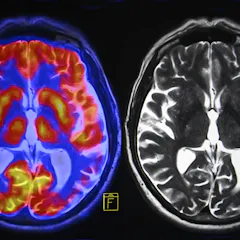
Chemical changes in the brain associated with chronic stress can put our cognition and mood under serious strain.

The internet is awash with videos that claim to use ‘binaural beats’ to improve your focus or relieve stress. But while they can influence your brain, the touted mood-enhancing effects may not be.
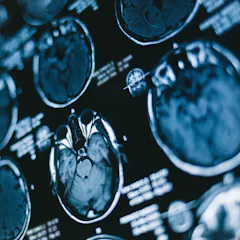
A new tool for seeing hotspots in the brain could help doctors detect neurological disorders.
The knowledge produced in designing and developing artificial neural networks may provide new insights into how our brains work.

When it comes to love, science has not yet got it right. And there’s a wonderful reason why.
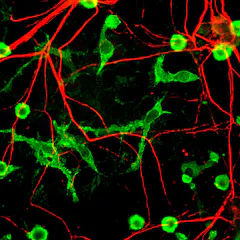
A new study raises hopes of better treatment for amnesia, Alzheimer’s and other conditions affecting memory.

How we experience the moment of death may be influenced by a cocktail of brain chemicals and the manner in which our brains shut down.

We have a strong tendency to overreact emotionally and underreact behaviourally to news of infectious diseases.

In preparation for possible future missions to Mars, scientists figure out how to quickly and efficiently measure brain performance and mental fatigue.
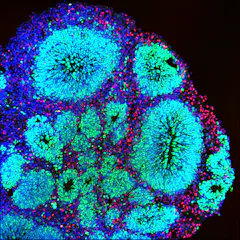
Brain organoids are tiny models that neuroscientists use to learn more about how the brain grows and works. But new research finds important differences between the model and the real thing.

It’s well-established that green spaces are good for our well-being. Now we can demonstrate that greater biodiversity boosts this benefit, as well as helping to sustain native plants and animals.

Post-party ‘hangxiety’ is common after drinking alcohol. It is caused by changing levels of chemicals and neurotransmitters in the brain.

New research could help you win an argument.

A scholar who studies consumer decision-making explains just what it is in the human mind that makes people susceptible to nudges toward one behavior or another.

Excessively eating junk foods during adolescence could alter brain development, leading to lasting poor diet habits. But, like a muscle, the brain can be exercised to improve willpower.
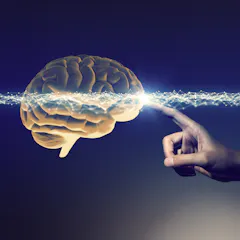
From dementia to depression to drug addiction, artificial brain stimulation has been hailed as a landmark medical technology for the future. But safeguards are needed if we want the benefits without the risks.
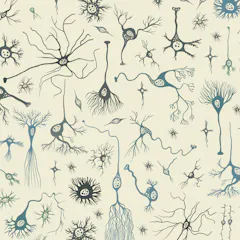
We have more neurons in our cortices than any other species, courtesy of an early technology – and along with them came our long, slow lives, with plenty of chances to gather around the dinner table.
Top contributors
-

Professor of Clinical Neuropsychology, University of Cambridge
-
Penn State
-
Postdoctoral Research Associate, Cognitive Neuroscience, University of Cambridge
-
Senior Lecturer (Adjunct), Nutritional neuroscientist, Adelaide University
-
Postdoctoral Researcher in Cognitive Neurosciences, The University of Queensland
-
Head of Developmental Psychobiology Lab, Deakin University
-
Senior Research Fellow, Uehiro Centre for Practical Ethics, University of Oxford
-
Professor Emeritus of Cognitive NeuroImaging, Aston University
-
Professor of Cognitive Neuroscience, Bangor University
-
Professor of Anatomy, University of Bristol
-
Senior Research Fellow, The Perron Institute for Neurological and Translational Science, and Faculty of Health Sciences, Curtin University
-
Associate Professor of Family & Community Medicine and Pediatrics, retired, University of California, San Francisco
-
Professor of Behavioral Neuroscience, University of Richmond
-
Associate Professor in Clinical Psychology and Neuropsychology, Trinity College Dublin
-
Lead, Cognition and Consciousness Imaging Group, Division of Anaesthesia, University of Cambridge