
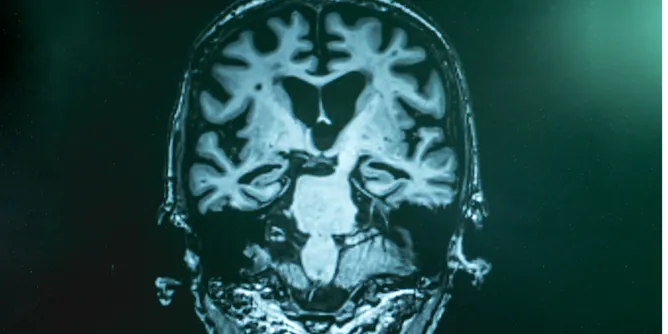
Disorders such as Alzheimer’s and epilepsy are difficult to diagnose with only occasional doctor visits. A new approach would allow fathering of extensive real-world data directly from patients.
Articles on Neurology
Displaying 41 - 60 of 142 articles
Most of us have heard of epilepsy. Lesser known to the public is that seizures can lead to an uncommon but fatal complication known as sudden unexpected death in epilepsy.

Internal combustion engine cars still dominate global sales – it could be to do with the emotive influence they hold over drivers.
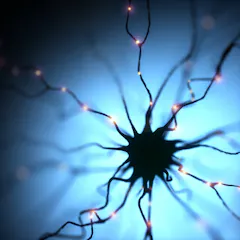
Seizures are like sudden electrical storms in the brain that can cause lasting damage. A set of immune cells in the brain called microglia may provide protection.

To answer this question, we’ll need to look at some different parts of the brain and what they do.
Transcranial alternating current stimulation, or tACS, is a type of brain stimulation that can change neural activity and improve memory, attention and executive function.

Some people believe their hand doesn’t belong to them. Others think bugs are crawling under their skin.
Pain has long been subjectively measured, leading to frustrations for patients and doctors alike. Identifying neural biomarkers of pain could improve diagnosis and lead to better treatments of chronic pain conditions.

We often feel drained of energy after a long day of work or study. Here’s how we measure what’s going on in our brain.

We live in a world where we frequently do not get enough sleep, but we need sleep if our brains are going to stay healthy and function efficiently.

The way human brains develop is special – but not quite as special as you’d like to think, if we consider Neanderthals as well.

Food allergies have been linked to behavioral and mood disorders, including depression, anxiety and ADHD.

In a systematic review of existing studies, researchers found that air pollution such as fine particulate matter can interfere with regions of the brain responsible for emotional regulation.

While high-profile concussions in the NFL have brought renewed attention to the gravity of head injuries, they can also occur on the playground or during junior varsity practices – with lasting effects.

From figuring out where memories are stored to how sensory information translates to behavior, new technologies are helping neuroscientists better understand how the brain works.
Because some seizures are relatively subtle, they can go unrecognized, leading to a delay in diagnosis.

A deadly neurological infection, chronic wasting disease, has been detected in deer, elk and moose in 30 states and four Canadian provinces. Human risk is low, but hunters need to take precautions.
Long overlooked by scientists, white matter may provide clues to some of the brain’s greatest mysteries.

The technology is progressing but it must pass a number of regulatory hurdles. We’re unlikely to see an affordable implant in the short term.

Across Canada and the United States, more than two million people are living with aphasia and its language and communication challenges.
Top contributors
-

Professor of Neurology, Norman Fixel Institute, University of Florida
-
Associate Professor, Texas A&M University
-
Assistant Professor of Neurology, University of Colorado Anschutz
-
Professor of Neuroscience and Neurology, University of Virginia
-
Honorary Associate Professor, Journalism, University of Wollongong
-
Associate Professor, University of Sydney
-
Science communicator & grants reviewer, The University of Queensland
-
Postdoctoral research fellow, Centre for Neural Engineering, The University of Melbourne
-
Conjoint Clinical Associate Professor, Deakin University School of Medicine and Specialist Pain Medicine Physician, Deakin University
-
Postdoctoral research student, KEMRI-Wellcome Trust Research Programme, Kenya Medical Research Institute
-
ARC Future Fellow and Associate Professor of Cultural Studies, The University of Queensland
-
Assistant Professor of Child Neurology, University of Pittsburgh
-
Professor and Clinical Neuropsychologist, Monash University
-
Senior Lecturer, Australian National Centre for the Public Awareness of Science, Australian National University
-
Senior Deputy Director, Florey, Neurologist Austin Health, Florey Institute of Neuroscience and Mental Health