

E-scooters look harmless, but trauma data suggests head injuries are common.
Articles on Brain injury
Displaying 1 - 20 of 87 articles
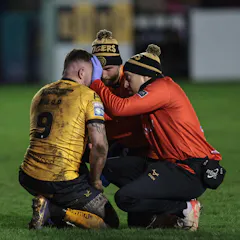
From gumshield sensors to blood tests, AI may change how sport detects brain injury.
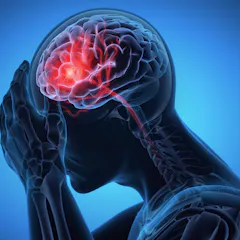
At least 40,000 New Zealanders experience traumatic brain injury each year. New data challenges five persistent myths about who is affected and how it happens.

An estimated 22.5 per cent of people experiencing homelessness live with moderate or severe brain injuries — a rate nearly 10 times higher than the general population.

Explosions can damage brain cells and blood vessels even when scans look normal, leaving lasting symptoms that are often missed.
Some children recover better after traumatic brain injury than others, despite appearing similarly to doctors. Looking at the genetic and cellular level, however, reveal key differences.
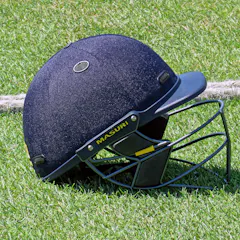
The death of a 17-year-old community cricket player has raised questions about how well helmets and neck protectors are working.

Children may have complex needs and overlapping conditions.
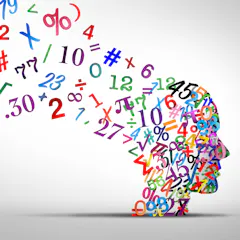
Acalculia affects the way a person processes and understands numbers.
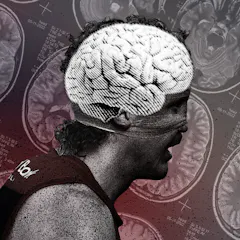
If more isn’t done to combat concussion and chronic traumatic encephalopathy, more families will be grieving tragic deaths.

Incidents like this underscore the importance of advancing concussion detection, management and prevention strategies in high-impact sports like hockey.

How to understand the risks of head injuries in sport – beyond the alarming headlines.

Up to 25% of infants diagnosed with abusive head trauma – otherwise known as shaken baby syndrome – die, and a substantial percentage who survive are left with long-term disabilities.
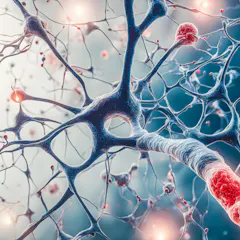
Addressing the harmful chemical processes that accompany blunt force trauma to the brain can reduce the risk of long-term disability.

Around half of young Australians have engaged in strangulation during sex. But it’s dangerous, even with consent.
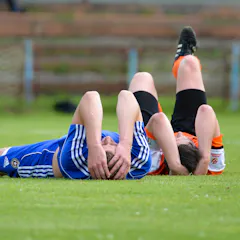
A new study found the benefits of amateur sport outweigh the risks of a single blow to the head – but repeated concussions are likely to do more damage.
First Nations women are more likely than non-Indigenous women to experience traumatic brain injury from domestic violence. But they don’t always access health care.
About half of those recovering from a stroke or a brain injury have spatial neglect. But prism adaptation therapy – noninvasive and easy to administer – can help.

Traumatic brain injury can have profound long-term impact, but care is often focused on immediate symptoms. Bill C-277 aims to develop a national strategy for treatment, rehabilitation and recovery.

The toxic drug crisis is not only about fatalities. A much larger number of people survive overdoses, and are left with brain injuries. A national strategy to support and treat them is crucial.
Top contributors
-

ARC DECRA Fellow, Institute for Culture and Society, Western Sydney University
-
Professor, Adjunct Research Fellow, School of Health Science, Swinburne University of Technology
-
Honorary (Professorial Fellow) at the Centre for Neuroscience, The University of Melbourne
-
Adjunct Associate Professor, College of Healthcare Sciences, James Cook University
-
Clinical Lead, Emotional and Mental Wellbeing Strategy, RPB, Swansea University
-
Professor of Psychology, University of Victoria
-
Research Fellow, UNSW
-
Canada Excellence Research Chair in Health Equity and Community Wellbeing; Professor, School of Disability Studies, Toronto Metropolitan University
-
Lecturer, Bangor University
-
Associate Professor of Neurology; Chief of the Division of Neurocritical Care, Department of Neurology, University of Florida
-
Assistant Professor, Faculty of Law, Bond University
-
Lead, Cognition and Consciousness Imaging Group, Division of Anaesthesia, University of Cambridge
-
Professor and Personal Chair, Swansea University
-
CIHR Scholar, PhD Candidate, Department of Psychology, University of Victoria
-
Senior Research Officer, The University of Melbourne