
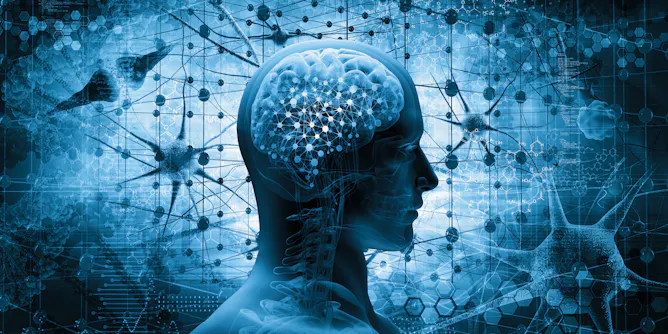
Emotions play a key role in many types of spontaneous thoughts. Even microemotions — which are often fleeting and unconscious — can affect thoughts and influence attention.
Articles on Neurology
Displaying 61 - 80 of 142 articles

Typically, people who experience psychosis encounter it in young adulthood or alongside dementia later in life. Post-COVID psychosis can hit adults in their middle years.

A look at how we decide which experts are the most trustworthy - and the possible biological basis behind it.
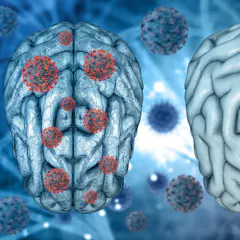
New research offers insights into the brain after COVID-19 that may have implications for our understanding of long COVID-19 and how the disease affects our senses of taste and smell.

Drinking more water can make you feel happier – and not drinking enough may contribute to feelings of anxiety and fatigue.
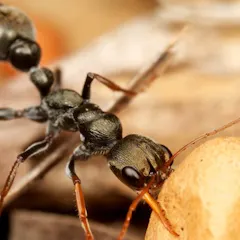
Insects such as ants and beetles use ingenious processes in their brains to work out how far they’ve travelled and in what direction - we’ve now discovered how they remember their way home.
Without a diagnosis, girls might experience social difficulties and traumatic situations – and grow into women who blame themselves.
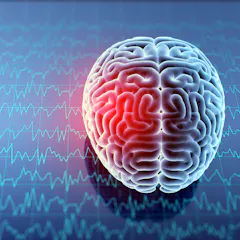
The molecule C1q has both protective and detrimental effects after traumatic brain injury. Blocking it after injury in mice restored normal brain rhythms during sleep and prevented epileptic spikes.

It appears that the rhythms of your brain waves get in sync with the speech patterns of the person you’re conversing with. Videoconferencing throws off that syncing process.

Havana syndrome has spread to government officials around the world and stumped doctors for years. Despite news of mysterious attacks, evidence suggests mass psychogenic illness may be the true cause.
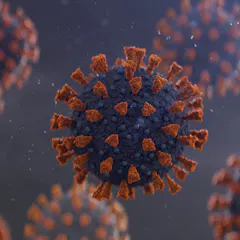
Reduced brain volume in people who have experienced COVID-19 resembles brain changes typically seen in older adults. The implications of these findings are not yet clear.

Listening-as-reading is a growing segment of the publishing market. Audiobooks revive ancient ways of storytelling and might get more people excited about books.
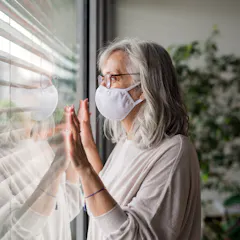
Researchers are piecing together clues to better understand the puzzling array of symptoms in those who never seem to fully recover from COVID-19.

Mounting research shows that going for a swim can preserve memories, reduce mood disorders and increase mental acuity in all age groups.

When you lose focus or your mind goes blank, sections of your brain may be having a quick snooze.
New research demonstrates that it is more difficult to learn something new if the information had been rewarded in the past. In fact, the higher the reward, the worse the future learning.

It’s a sensation of light that isn’t caused by real light. And don’t worry, it’s totally normal.

Though Oliver Sacks wrote two memoirs before his death in 2015, a new film brings his joys, hardships and excesses into affectionate focus.
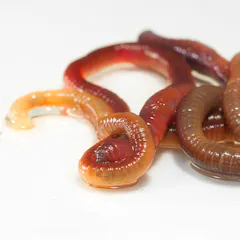
This Ig Nobel-winning research is shedding light on how ultrasound waves could be used to non-invasively control nerve impulses (and therefore ‘thoughts’) in our brains.
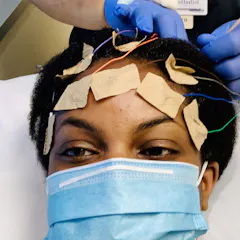
Margot Gage Witvliet went from being healthy and active to fearing she was dying almost overnight. An epidemiologist, she dug into the research to understand what’s happening to long-haulers like her.
Top contributors
-

Professor of Neurology, Norman Fixel Institute, University of Florida
-
Associate Professor, Texas A&M University
-
Assistant Professor of Neurology, University of Colorado Anschutz
-
Professor of Neuroscience and Neurology, University of Virginia
-
Honorary Associate Professor, Journalism, University of Wollongong
-
Associate Professor, University of Sydney
-
Science communicator & grants reviewer, The University of Queensland
-
Postdoctoral research fellow, Centre for Neural Engineering, The University of Melbourne
-
Conjoint Clinical Associate Professor, Deakin University School of Medicine and Specialist Pain Medicine Physician, Deakin University
-
Postdoctoral research student, KEMRI-Wellcome Trust Research Programme, Kenya Medical Research Institute
-
ARC Future Fellow and Associate Professor of Cultural Studies, The University of Queensland
-
Assistant Professor of Child Neurology, University of Pittsburgh
-
Professor and Clinical Neuropsychologist, Monash University
-
Senior Lecturer, Australian National Centre for the Public Awareness of Science, Australian National University
-
Senior Deputy Director, Florey, Neurologist Austin Health, Florey Institute of Neuroscience and Mental Health