

The type of menopause and differences between women taking HRT complicate claims about its potential to prevent dementia.
Articles on Dementia
Displaying 1 - 20 of 563 articles

Around 8 million people in England take five or more prescription drugs each day.

New dementia-friendly design guidance shows how simple changes can make homes safer and easier to navigate for people living with the condition.

The demands of caregiving can reverberate through family relationships, exposing old disagreements about expectations and responsibilities.

New research shares the stories of Australians with dementia who want a choice in how they live and die.

Families are still expected to navigate disconnected health and community services on their own. A new report sets out what governments can do to change that.

Learning another language is not a miracle cure for aging, and it cannot guarantee protection against Alzheimer’s disease. But it does have various other benefits.

Counseling in later life isn’t just for coping with loss and illness – it can help people work through questions of identity and how they seek meaning in their lives.

New evidence shows more people might benefit from this cholesterol-lowering medication than we previously thought. But that doesn’t mean everyone should take one.

Our understanding of the causes of Alzheimer’s disease is evolving. Recent discoveries have revealed the important role of the cerebral vascular system.

Physical exercise, a proper diet, cognitive training, clinical monitoring, and socialization improve cognitive performance by 55% among older adults in Latin America.
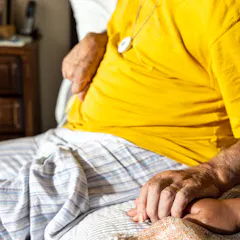
People living with Alzheimer’s as well as their caregivers benefit from culturally informed care.

A major new study of 4.2 million people found leisure exercise cuts dementia risk – but manual labour and active commuting may raise it.

Some age-related decline is locked in. Strength, balance and fall risk are not – and the evidence shows what works.

Singing in a choir helps people regain their voice and reduces social isolation and the sense of loss that often follows diagnosis with a brain condition.

Specialized health care for brain-related issues can be lacking in rural areas, but collaborative, community-based approaches can help address these inequities.
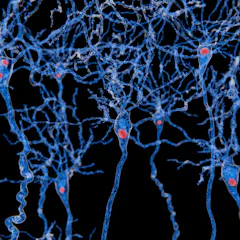
Researchers are finding ways to target the toxic proteins involved in neurodegenerative diseases such as Parkinson’s and Alzheimer’s that were once considered ‘undruggable.’

Kidney disease is often associated with dialysis or transplants, but it also affects memory and concentration, and increases stroke risk.

Research links repeated head impacts with poorer brain health in some former players, although the evidence cannot yet prove cause and effect.

A new study looked at almost one million married couples and found dementia clustered among couples. Shared lifestyle doesn’t explain everything.
Top contributors
-

Professor of Biological Psychology, Loughborough University
-
PhD Candidate, Neuroscience, University of Sheffield
-
Head of Clinical Services, Dementia Support Australia, & Associate Professor of Psychiatry, Monash University
-
Research Fellow in Neuroimmunology, UCL
-
Associate Professor, Turner Institute for Brain and Mental Health, Monash University
-
Associate Professor | Deputy Director, The MARCS Institute for Brain, Behaviour and Development, Western Sydney University
-
Professor of Chemistry and Senior Scientist of the Krembil Research Institute, University Health Network, University of Toronto
-
Associate professor, University of Sydney
-
Senior Research Fellow in the Institute of Population Health & NIHR ARC North West Coast Social Care Theme Lead, University of Liverpool
-
Lecturer, School of Psychology, UNSW ; Neuroscience Research Australia
-
Professor Emeritus of Molecular Neurobiology at the University of Manchester and a Visiting Professorial Fellow, University of Oxford
-
Professor in Ageing and Health, University of Sydney
-
Doctoral Candidate, Aging, Health and Well-being, University of Waterloo
-
Host, The Conversation Weekly Podcast, The Conversation
-
Associate Professor in Cellular Neuroscience, University of Reading