

New research suggests epilepsy may alter the brain systems that regulate temperature, raising questions about how patients respond to heat.
Articles on Epilepsy
Displaying 1 - 20 of 65 articles
A significant number of diabetics experience pain because of nerve damage.

Understanding how new neurons affect brain function throughout adulthood can offer new approaches to treating epilepsy and dementia.

Fluctuating hormones affect the frequency of seizures at multiple times in women’s lives. So we need to tailor their therapies accordingly.

Alcohol is responsible for more deaths than overdoses from opioids and all other substances combined, yet less than 10% of people with alcohol use disorder receive treatment.

Even small increases in temperature can stop our brains from functioning optimally.

Sleep habits can be improved by making shifts in both daytime and evening routines.
Some scientists theorize that artificial intelligence may be able to deduce thoughts from EEGs.

A highly unusual new case is giving scientists insights about what causes illusions of facial distortion

What you don’t do: Don’t shout at them, don’t put things in their mouth and don’t let them get near things that are sharp or hard in case of a fall.

Shields said the seizure was caused by drinking too much water – which can be a cause in very rare circumstances.
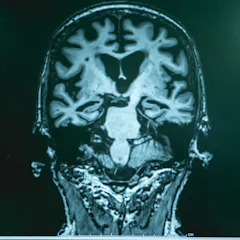
Disorders such as Alzheimer’s and epilepsy are difficult to diagnose with only occasional doctor visits. A new approach would allow fathering of extensive real-world data directly from patients.
Most of us have heard of epilepsy. Lesser known to the public is that seizures can lead to an uncommon but fatal complication known as sudden unexpected death in epilepsy.
Seizures are like sudden electrical storms in the brain that can cause lasting damage. A set of immune cells in the brain called microglia may provide protection.

The 2022 Prime Minister’s Science Prizes have been awarded for outstanding achievements in scientific research, innovation and teaching.

People who had COVID were 55% more likely to develop epilepsy or seizures over the next six months than people who had influenza – but the overall risk is still small.
This technique could also be applied to other conditions, such as Parkinson’s disease.

People who get COVID continue to face increased risks of developing some neurological and psychiatric conditions, like psychosis and dementia, for up to two years afterwards.

AI algorithm that detects brain abnormalities could help cure epilepsy.

From figuring out where memories are stored to how sensory information translates to behavior, new technologies are helping neuroscientists better understand how the brain works.
Top contributors
-

Director of Paediatrics, Austin Health; NHMRC Practitioner Fellow; Senior Principal Research Fellow, The Florey Institute; Professor of Paediatric Neurology Research, The University of Melbourne
-
Associate Professor of Neurology, University of Colorado Anschutz
-
Professor of Neuroscience and Neurology, University of Virginia
-
Laureate Professor in the Department of Medicine and Director of the Comprehensive Epilepsy Program at Austin Health, The University of Melbourne
-
Postdoctoral Fellow in Neurology, University of Virginia
-
Professor of Molecular Cell Biology, Royal Holloway, University of London
-
Assistant Professor of Psychiatry and Behavioral Neurosciences, Wayne State University
-
NHMRC Principal Research Fellow, Professor, and Group Leader, Institute for Molecular Bioscience, The University of Queensland
-
Research Associate, University of Connecticut
-
Professor of Neurology, UCL
-
Adjunct Associate Professor, The University of Queensland
-
Professor in Substance Use, Liverpool John Moores University
-
Professor Emeritus of Applied Philosophy, Glasgow Caledonian University
-
Reader in Cognitive Neuroscience, Director of the Sheffield Autism Research Lab, University of Sheffield
-
Postdoctoral research student, KEMRI-Wellcome Trust Research Programme, Kenya Medical Research Institute