
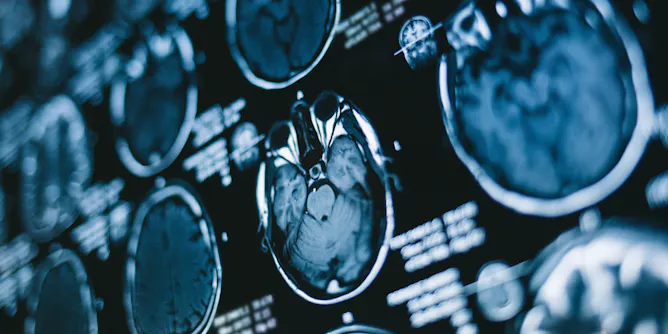
A new tool for seeing hotspots in the brain could help doctors detect neurological disorders.
Articles on Neurology
Displaying 81 - 100 of 142 articles

The scientific understanding of our internal experiences is changing and it now seems likely that ‘Christmas cheer’ may be an emotion in itself.

It’s been 25 years since autism was redefined and the surge in diagnoses and research began. But while we’ve come along way in our understanding of the spectrum, advances in drug therapies has lagged.
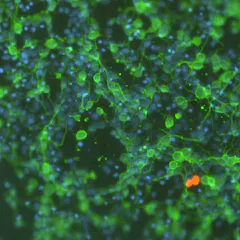
Finding out more about how the brain works could help programmers translate thinking from the wet and squishy world of biology into all-new forms of machine learning in the digital world.
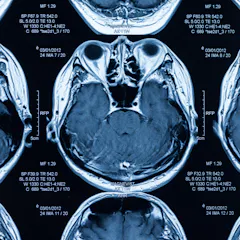
Consciousness has long been debated, particularly in the decades since devices have been used to keep people alive after brain injury. A new study suggests that some people can “wake up” after injury.

Some previous research suggests people living in rural areas may be at a higher risk of developing Alzheimer’s disease. But these results tell a different story.
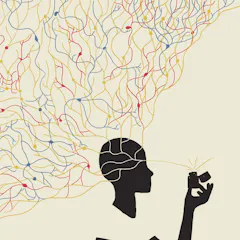
Our everyday lives are full of decision dilemmas. To understand why we make particular choices, scientists investigate how our brain deals with uncertainty.

Young women are disproportionately affected by multiple sclerosis, a disease where the body attacks the brain, scrambling communication to the rest of the body. Here’s what we know about the causes.
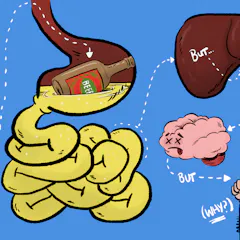
What is it that makes us feel drunk when we drink? And why do we keep drinking if it can make us feel so terrible?
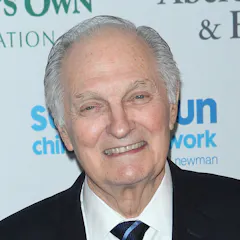
Alan Alda announced July 31, 2018 that he’s been living with Parkinson’s Disease. An expert on the disease explains new drugs and treatments.
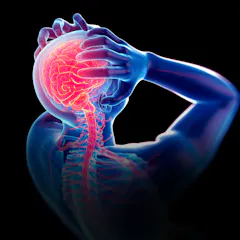
For some patients, drilling a hole in the skull and inserting an electrode into the ‘sadness centre’ of the brain offers relief from debilitating and otherwise treatment-resistant depression.

The opening session of a meeting of neurologists focused on a problem plaguing doctors: burnout. Doctors are growing increasingly stressed, and it’s affecting patients, too.

There are several problems with the recently released guidelines for diagnosing autism. But the fundamental issue is that we’re striving for diagnosis first, and help later.

Men diagnosed with prostate cancer should be given all their options for treatment before they make a decision. In Australia today, this isn’t the rule, but the exception.

There’s more to Tourette syndrome than swearing and shouting. Over the last several years, many life-altering treatments of this tic disorder have become available to patients and their families.
Epilepsy affects around 70 million people globally, 80% live in developing countries. A shortage of specialists, equipment and drugs complicates effective treatment and management.
The causes of motor neurone disease and schizophrenia have something important in common.
The human brain develops rapidly between the ages of 14 and 24.
The Conversation asked eight authors from across its sections to tell us about their favourite podcasts – and why you should tune in.

It’s a long, hot summer’s day and you’re looking forward to an ice cream. But within seconds of your first bite, you feel a headache coming on: a brain freeze. What’s going on?
Top contributors
-

Professor of Neurology, Norman Fixel Institute, University of Florida
-
Associate Professor, Texas A&M University
-
Assistant Professor of Neurology, University of Colorado Anschutz
-
Professor of Neuroscience and Neurology, University of Virginia
-
Honorary Associate Professor, Journalism, University of Wollongong
-
Associate Professor, University of Sydney
-
Science communicator & grants reviewer, The University of Queensland
-
Postdoctoral research fellow, Centre for Neural Engineering, The University of Melbourne
-
Conjoint Clinical Associate Professor, Deakin University School of Medicine and Specialist Pain Medicine Physician, Deakin University
-
Postdoctoral research student, KEMRI-Wellcome Trust Research Programme, Kenya Medical Research Institute
-
ARC Future Fellow and Associate Professor of Cultural Studies, The University of Queensland
-
Assistant Professor of Child Neurology, University of Pittsburgh
-
Professor and Clinical Neuropsychologist, Monash University
-
Senior Lecturer, Australian National Centre for the Public Awareness of Science, Australian National University
-
Senior Deputy Director, Florey, Neurologist Austin Health, Florey Institute of Neuroscience and Mental Health