

After coding, mathematics and chatbots, AI companies are setting their sights on the messy world of biology.
Articles on Molecular biology
Displaying 1 - 20 of 75 articles

Existence is hard in the frozen Antarctic soil – and microbes use ‘horizontal gene transfer’ to share the tools that keep them alive.

CAR-T therapy engineers a patient’s own immune cells to fight cancer. Making these cels more resilient can make treatments more effective.
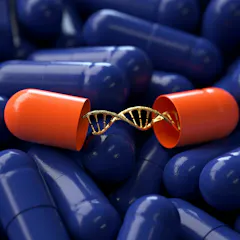
Nanomedicine prompts RNA to make protein-based drugs to treat diseases. Now we can fine-tune protein production by dialling it up or down, creating personalized medicine on an invisible scale.

Not all spider venoms are created equal. Some are harmless to people, while others can be quite dangerous.
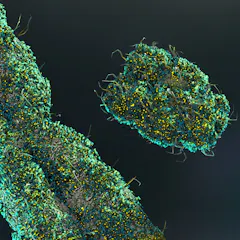
The Y chromosome doesn’t seem to do much except determine sex – but its loss in older men might be linked to heart disease, cancer and Alzheimer’s.

Researchers are embarking on the RNA equivalent of the Human Genome Project, including sequencing all the chemical modifications that make cells unique.

Naloxone can reverse an overdose in minutes, but exactly how it does this at the molecular level has previously been unclear.
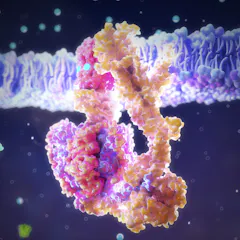
A protein historian and evolutionary biochemist found that a protein sequence present across all known life didn’t form as researchers previously thought it did.
Chronic pain affects millions of people in the US. Targeting an oft-overlooked brain receptor could one day offer relief.

The monotreme sex gene may have been found after decades of searching – and it’s not what anyone expected.

Master switches of cell communication, G protein-coupled receptor kinases are the target of many drugs across a range of diseases.

The gene that codes for p53 is the most frequently mutated in cancer. Researchers are targeting different parts of its complex pathway to restore its ability to stop cancer.
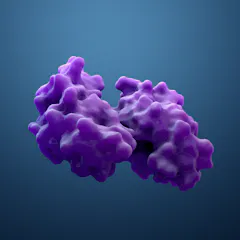
Enzymes significantly speed up the chemical reactions that keep you alive. Researchers are using AI to create new ones to tackle modern challenges.

A study shows a significant genetic risk factor for kidney disease in people from Ghana and Nigeria.

An accurate estimate of when someone died is a critical part of forensic investigations. In extremely cold conditions, molecular biology can provide critical information where the naked eye cannot.

Females have twice as many copies of some genes as males do – and exactly how different species manage this imbalance has puzzled scientists for decades.

Science has a need to verify results, but DeepMind’s protein prediction tool doesn’t work this way.

Asthma attacks can result from immune cells overreacting to a harmless allergen. Tamping down iron levels in certain immune cells can help control their activity.

An elite athlete’s metabolism mostly looks different from a patient with COVID-19 − but their occasional similarities can reveal important insights into health and disease.
Top contributors
-
 Jenny Graves is a Friend of The Conversation.
Distinguished Professor of Genetics and Vice Chancellor's Fellow, La Trobe University
-
Doctoral Student in Biochemistry, University of Washington
-
ARC Future Fellow, Behavioural Ecology, Macquarie University
-
Professor of Horticultural Sciences and Plant Molecular and Cellular Biology, University of Florida
-
Postdoctoral Researcher of Evolutionary Biology, University of Pennsylvania
-
Postdoctoral Research Fellow, Pharmaceutical Chemistry, Monash University
-
PhD student in Biology, University of Rochester
-
Associate Professor, School of Biomedical Engineering, University of Technology Sydney
-
Research Software Engineer, University of Bristol
-
Senior Lecturer in Food Biotechnology and Microbiology, Agriculture and Food Systems, The University of Melbourne
-
Molecular Biologist, Centenary Institute
-
Ph.D. Candidate in Chemical Biology, Harvard University
-
Professeur, Biologie et Biochimie végétales, IUF, Université de Lorraine
-
Professor of Agronomy (Agriculture), University of Sydney
-
Professor, Griffith University