
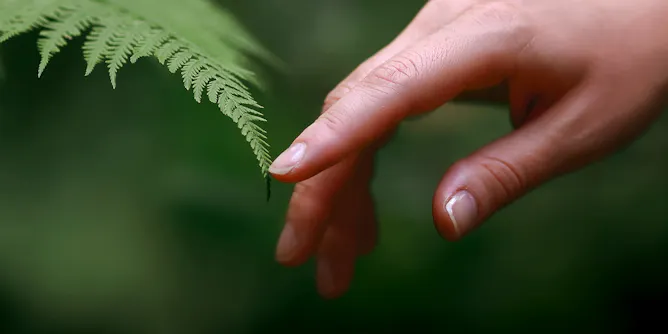
Our bodies have a dedicated channel for sensing only the very lightest of touches.
Articles on Molecular biology
Displaying 21 - 40 of 75 articles

From COVID-19 vaccines to cancer treatments and beyond, the flexibility of mRNA-based therapies gives them the potential to prevent and treat many types of diseases.
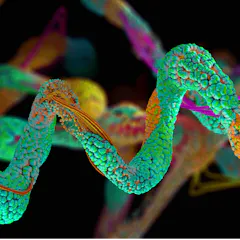
Tracing isotopes of carbon inside amino acid molecules has revealed the ‘metabolic fingerprints’ of how different animals store and use energy.
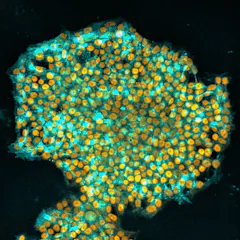
Stem cells could help regenerate diseased or damaged parts of the body – but first, scientists need to make the cells forget their own histories.

Superresolution microscopy allowed researchers to view cells at the molecular level. Improvements on the technique can help study the building blocks of complex cell processes over time.
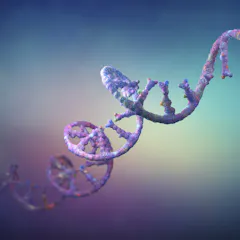
Making sure RNA molecules are in the right place at the right time in a cell is critical to development and normal function. Researchers are figuring out exactly how they get to where they need to go.
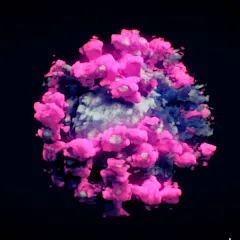
Many microscopy techniques have won Nobel Prizes over the years. Advancements like cryo-ET that allow scientists to see the individual atoms of cells can reveal their biological functions.
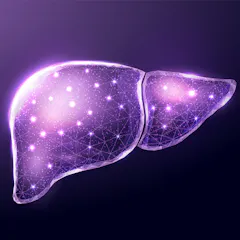
Liver transplant waitlists can range from 30 days to over five years. Developing treatments that spur liver regeneration could help reduce demand for scarce organs.

Financial support for science and research in Nigeria remains pathetic. This has led to the deterioration in the quantity and quality of trained virologists at universities.
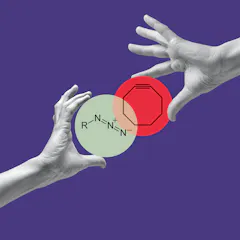
Click and bioorthogonal chemistry has enabled researchers to closely study how molecules work in their natural state in living organisms, with applications that span from cancer treatment to polymers.
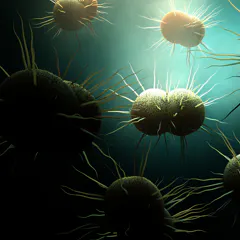
The US currently has only one antibiotic available to treat gonorrhea – and it’s becoming less effective.
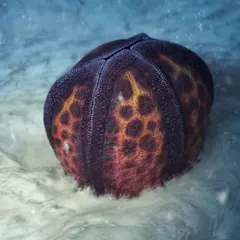
The discovery of a unique 510 million-year-old fossil in a Pennsylvania churchyard offers new clues into how early life evolved on Earth.
A new study shows connections between genetics, biomarkers in the blood, and mental disorders - opening new avenues to understand the causes of mental illness and find new treatments.
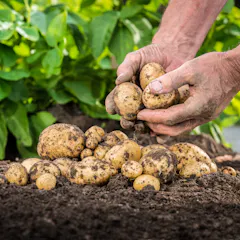
Our new technology to recycle food waste into prebiotics uses no toxic chemicals and no fossil fuels.
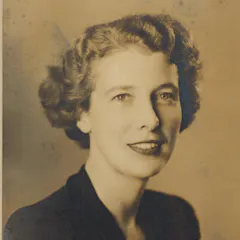
Florence Bell’s work producing X-rays of DNA laid the foundations for one of the landmark discoveries of 20th century science.
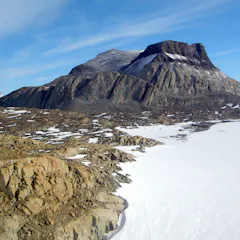
A billion-year-old ‘hydrogen economy’ in the frozen soil of Antarctica provides bacteria with energy, water, and the carbon that makes up their bodies.
The joint award recognizes the long road to deciphering the biology behind the brain’s ability to sense its surroundings – work that paves the way for a number of medical and biological breakthroughs.
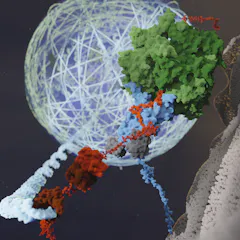
Insight on how a unique protein plays a role in cellular stress responses may provide more clues on how to treat diseases like ALS and Alzheimer’s.
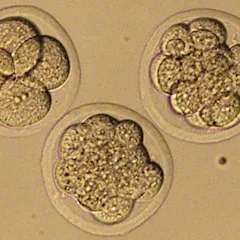
Researchers have grown the first human-monkey hybrid embryos as well as mouse embryos in artificial wombs late into development. These biomedical breakthroughs raise different ethical quandaries.
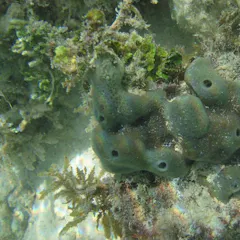
DNA from the humble sea sponge is shedding light on the “dark matter” that makes up much of our genomes.
Top contributors
-
 Jenny Graves is a Friend of The Conversation.
Distinguished Professor of Genetics and Vice Chancellor's Fellow, La Trobe University
-
Doctoral Student in Biochemistry, University of Washington
-
ARC Future Fellow, Behavioural Ecology, Macquarie University
-
Professor of Horticultural Sciences and Plant Molecular and Cellular Biology, University of Florida
-
Postdoctoral Researcher of Evolutionary Biology, University of Pennsylvania
-
Postdoctoral Research Fellow, Pharmaceutical Chemistry, Monash University
-
PhD student in Biology, University of Rochester
-
Associate Professor, School of Biomedical Engineering, University of Technology Sydney
-
Research Software Engineer, University of Bristol
-
Senior Lecturer in Food Biotechnology and Microbiology, Agriculture and Food Systems, The University of Melbourne
-
Molecular Biologist, Centenary Institute
-
Ph.D. Candidate in Chemical Biology, Harvard University
-
Professeur, Biologie et Biochimie végétales, IUF, Université de Lorraine
-
Professor of Agronomy (Agriculture), University of Sydney
-
Professor, Griffith University