

Using music to represent the coronavirus sequence gives us a new way to think about and understand the genome.
Articles on Molecular biology
Displaying 41 - 60 of 75 articles

A study of more than 1.7 million people has revealed 41 distinct genetic regions associated with left-handedness, and another 7 tied to ambidexterity.
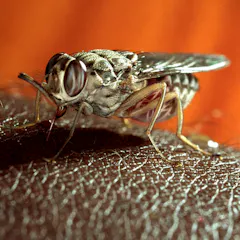
This insect’s unique reproductive biology could lead to new ways to control the species in the environment – and prevent the deadly sleeping sickness it spreads to people.
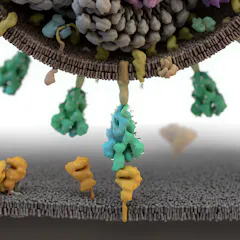
Scanning through billions of chemicals to find a few potential drugs for treating COVID-19 requires computers that harness together thousands of processors.
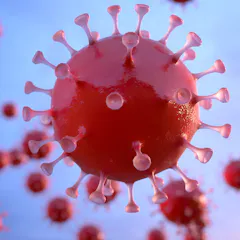
Viruses exist in a realm where there is no light and colour has no meaning. In their COVID-19 depictions, designers, illustrators and communicators make some highly creative and evocative decisions.
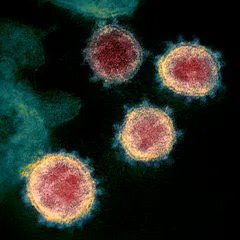
Soap can dissolve the fatty envelope on the outer part of the coronavirus that causes COVID-19, leading to the destruction of the whole virus particle.

US researchers have revealed the molecular ‘key’ that allows the 2019-nCoV virus to gain access to our cells. And they found it is many times more tenacious than the previous SARS virus.
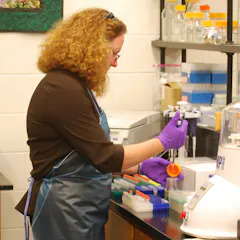
On average, important new lab techniques like CRISPR take 23 years to develop – but there is a public expectation that scientific breakthroughs occur quickly and efficiently.

A coral biologist sampled corals from the most remote reaches of the Indo-Pacific and discovered that all of them show signs of stress.
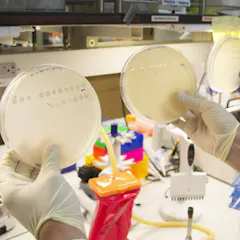
A core idea in molecular biology is that one gene codes for one protein. Now biologists have found an example of a gene that yields two forms of a protein – enabling it to evolve new functionality.

A conversation between a biologist and a philosopher on the relationship between man and divinity.
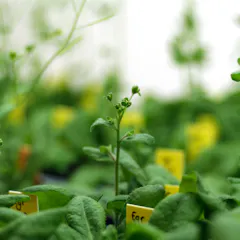
Inserting a random DNA mishmash into a plant or bacterium directs it to make a novel protein. Sifting through the resulting molecules, researchers may find ones have medical or agricultural uses.
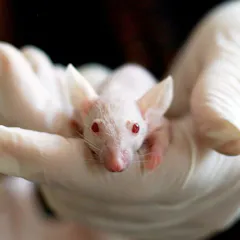
A new research paper reports dangerous side effects in CRISPR-edited mice. Some scientists are pushing back, placing blame for the unwanted mutations on the experiment, not the technique.
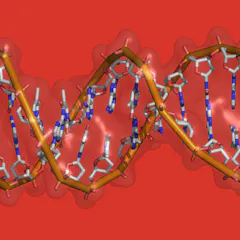
Researchers are starting to harness the potential of this much-hyped gene editing technique – with coming applications in medicine, biology and agriculture.

New research suggests the “primordial soup” theory can’t explain how living cells evolved to harness energy.

Public health experts enlist the molecular biology tools that create genetically modified organisms – as well as the GMOs themselves – in the fight against emerging infectious diseases.

The molecular clock is helping us deepen our knowledge of evolution and completing the tree of life. But how does it actually work?
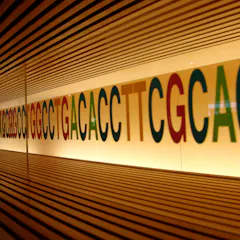
microRNA used to be dismissed as “junk DNA”, but it plays an important role regulating the other genes in our genome.
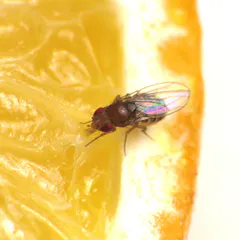
Animals have evolved to occupy almost all corners of the Earth. To survive, no matter the weather outside, they all need temperature-sensitive bodily reactions to work. This is easy for warm-blooded animals…
Molecular vibrations play an important part in enhancing photosynthesis, researchers from the University of Michigan have…
Top contributors
-
 Jenny Graves is a Friend of The Conversation.
Distinguished Professor of Genetics and Vice Chancellor's Fellow, La Trobe University
-
Doctoral Student in Biochemistry, University of Washington
-
ARC Future Fellow, Behavioural Ecology, Macquarie University
-
Professor of Horticultural Sciences and Plant Molecular and Cellular Biology, University of Florida
-
Postdoctoral Researcher of Evolutionary Biology, University of Pennsylvania
-
Postdoctoral Research Fellow, Pharmaceutical Chemistry, Monash University
-
PhD student in Biology, University of Rochester
-
Associate Professor, School of Biomedical Engineering, University of Technology Sydney
-
Research Software Engineer, University of Bristol
-
Senior Lecturer in Food Biotechnology and Microbiology, Agriculture and Food Systems, The University of Melbourne
-
Molecular Biologist, Centenary Institute
-
Ph.D. Candidate in Chemical Biology, Harvard University
-
Professeur, Biologie et Biochimie végétales, IUF, Université de Lorraine
-
Professor of Agronomy (Agriculture), University of Sydney
-
Professor, Griffith University