
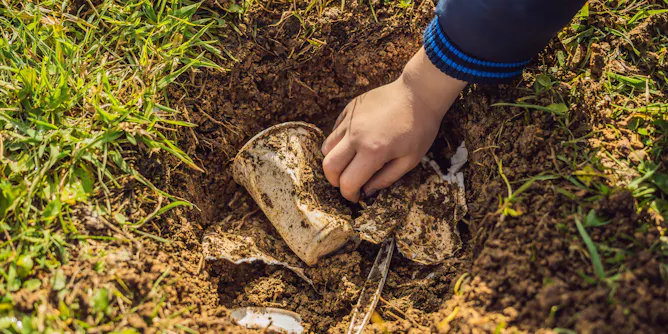
Biodegradable plastics have great potential to replace problematic plastics that don’t break down. But we, and the environment, need greater clarity on how to dispose of them.
Articles on Microplastics
Displaying 101 - 120 of 174 articles
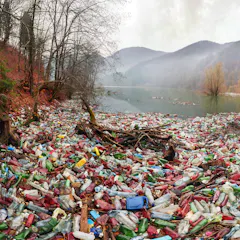
A global treaty on plastic pollution must incentivize a take-make-reuse waste management system and include quantitative targets based on geography-specific emissions.
Without action in the next five years, an extra 80 million tonnes of plastic may end up in the ocean by 2040.
The amount of microplastics in the environment is being significantly underestimated, research shows.

The Nigerian government must do more to combat increasing plastic pollution in the country.
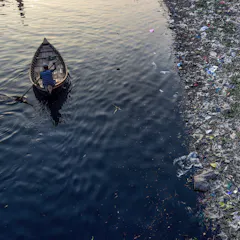
Representatives of 175 countries voted to start developing a global treaty to reduce plastic waste. Treaties addressing mercury, long-range air pollution and ozone depletion offer some lessons.
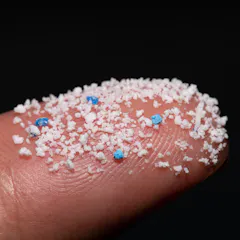
Microplastics are polluting soil worldwide, but it’s often hard to analyse the impact. New research shows how we can assess the scale of the problem using modelling.
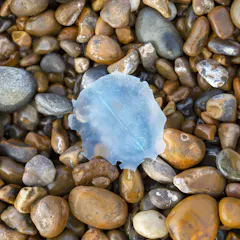
After soil, water and food, microplastics have now entered the atmosphere, where they influence the climate system and may even change atmospheric chemistry.
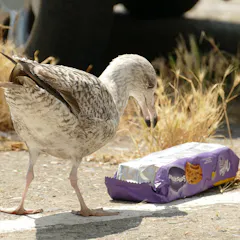
Researchers are uncovering how microplastic particles are carried in wind, rain and snow to remote regions of our planet.
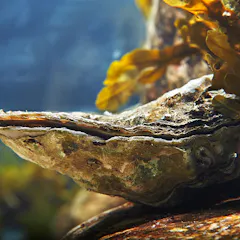
Nanoplastics and arsenic can affect some of the most basic functions of oysters.
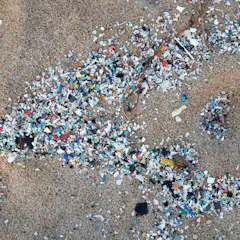
New research suggests that an effective way to locate and track large concentrations of microplastics in the ocean could be from high in the sky.

The thing that makes hooded blankets comfy and unnaturally soft is also what makes them bad for the environment and our health.
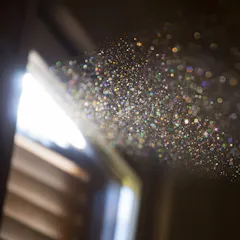
We analysed the dust in 32 homes across Sydney, and found significant levels of microplastics. But having hard, non-varnished floors and vacuuming at least weekly might help.
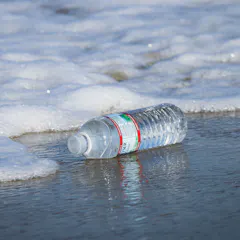
Each bit of plastic takes a unique journey once it reaches the ocean. We’re trying to spot the patterns.
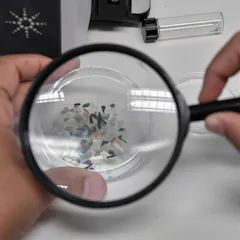
As more and more plastic trash permeates the oceans, fragments are making their way into fish and shellfish – and potentially into humans.
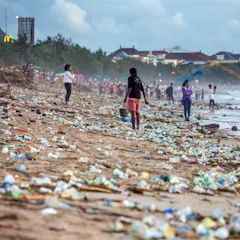
Polluted oceans don’t just harm wildlife, they are a source of ill health for humans too.
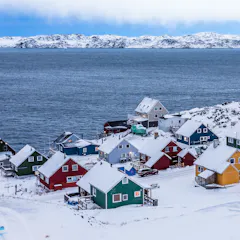
Microplastic pollution is a global issue, but where do they come from and how are they transported across the ocean? A new study finds polyester microfibres are common throughout the Arctic Ocean.
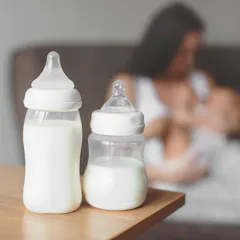
Shaking polypropylene bottles and washing them with very hot water can release millions of tiny plastic particles. Here are four ways to reduce exposure.

Microplastics could pose a threat to the sustenance of aquatic biodiversity when ingested by animals.
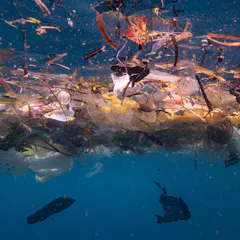
This is up to 35 times more than the estimated weight of plastic pollution on the ocean’s surface.
Top contributors
-

Lecturer in Ornithology, Charles Sturt University
-
Assistant Professor of Ecology and Evolutionary Biology, University of Toronto
-
Professor of Animal Development, Leiden University
-
Postdoctoral Researcher at Leiden University, Associate Scientist II at Stowers Institute, Developmental Biology, Molecular Biology and Nanotoxicology, Leiden University
-
Research Chair, Indigenous Approaches to Environmental Management, Keele University
-
Professor of Law and Associate Dean for International Affairs, Wake Forest University
-
Professor in Forensic and Environmental Science, University of Staffordshire
-
Associate Professor in Environmental Sciences, University of Southampton
-
Research Director, Australian Microplastic Assessment Project (AUSMAP); Honorary Senior Research Fellow, School of Natural Sciences, Macquarie University
-
Professor of Sustainable Development, Keele University
-
Associate professor, University of Portsmouth
-
Honorary Professor, School of Natural Sciences, Macquarie University
-
Associate Professor of Lake and Freshwater Science, University of Waikato
-
Senior Marine Ecosystem Services Researcher, Plymouth Marine Laboratory
-
Academic Casual, School of Natural Sciences, Macquarie University