
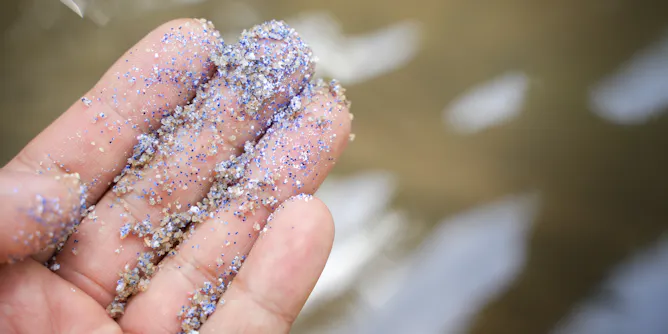
Microplastics are created when everyday products – including clothes, food and beverage packaging, home furnishings, plastic bags, toys and toiletries – degrade.
Articles on Microplastics
Displaying 61 - 80 of 174 articles

Next time you do your laundry, think like an astronaut – wash your clothes as little as possible.

We sampled sewage sludge from 13 wastewater treatment plants across three states. We found every resident adds microplastics to farmland, in dried sewage sludge (biosolids) used as fertiliser.
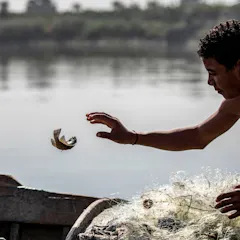
The River Nile is contaminated with microplastics.
Microplastic pollution is a growing problem − one lab is looking at tiny insects as inspiration for how these pollutants might move through water.
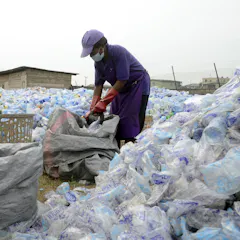
Recycled plastics are not safe if the chemicals used in creating them in the first place are harmful.
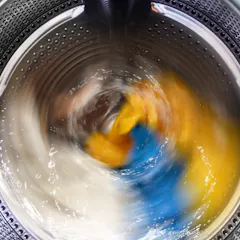
Your washing machine is polluting the ocean.

Five reasons to avoid glitter, even on Christmas cards or baubles.
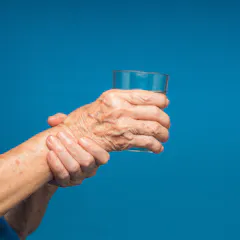
Microscopic flakes of polystyrene can enter brain cells and cause harm, a new study in mice has shown.
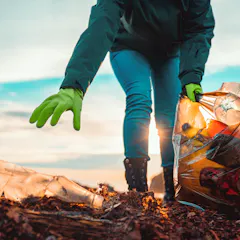
Media coverage of the dangers of plastic pollution can distract from what is actually needed, says an author.
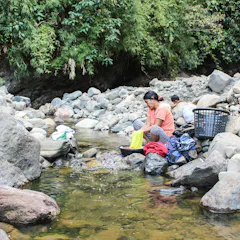
Simply trying to avoid synthetic clothing won’t fix our microfibre pollution problem

Halloween is a sustainability nightmare – but it doesn’t have to be.

Since the 1950s, billions of tons of plastic have been produced and much of it ends up in the environment – even at the bottom of lakes in Finland.
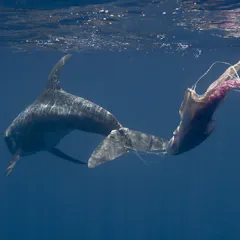
New research shows that relatively large microplastic particles can make their way into the body tissues of marine mammals.

We need to pay close attention to the potential impacts that high levels of microplastics might have on environments and find ways to reduce microplastic levels in Canada’s wastewater stream.

Researchers even found textile fibres in very remote lakes with limited human presence.

Microplastic pollution in lakes could affect the food web, all the way to people fishing and harvesting mussels, as well as sources of drinking water.
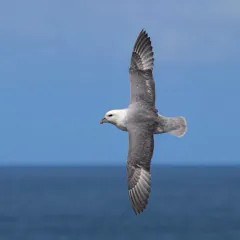
Some of the world’s most threatened birds are exposed to plastic pollution – even far out to sea.
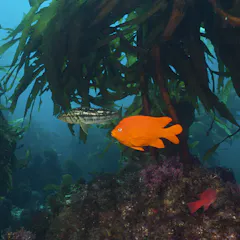
Humans rely on the ocean for food, jobs and other resources, but these systems are being stressed to the brink.
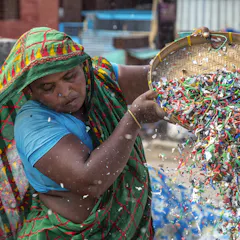
Making less plastic and reusing what exists should be the priority.
Top contributors
-

Lecturer in Ornithology, Charles Sturt University
-
Assistant Professor of Ecology and Evolutionary Biology, University of Toronto
-
Professor of Animal Development, Leiden University
-
Postdoctoral Researcher at Leiden University, Associate Scientist II at Stowers Institute, Developmental Biology, Molecular Biology and Nanotoxicology, Leiden University
-
Research Chair, Indigenous Approaches to Environmental Management, Keele University
-
Professor of Law and Associate Dean for International Affairs, Wake Forest University
-
Professor in Forensic and Environmental Science, University of Staffordshire
-
Associate Professor in Environmental Sciences, University of Southampton
-
Research Director, Australian Microplastic Assessment Project (AUSMAP); Honorary Senior Research Fellow, School of Natural Sciences, Macquarie University
-
Professor of Sustainable Development, Keele University
-
Associate professor, University of Portsmouth
-
Honorary Professor, School of Natural Sciences, Macquarie University
-
Associate Professor of Lake and Freshwater Science, University of Waikato
-
Senior Marine Ecosystem Services Researcher, Plymouth Marine Laboratory
-
Academic Casual, School of Natural Sciences, Macquarie University