
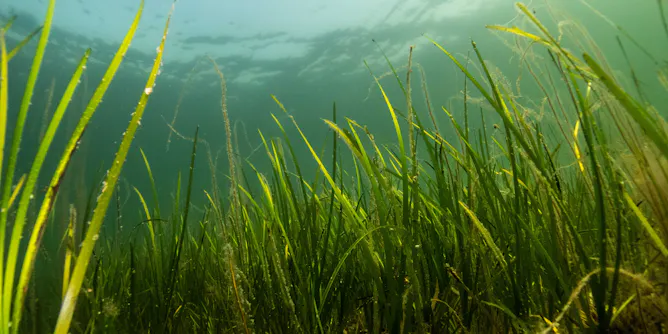
Marine protected areas can’t stop pollution flowing in from the land and Northern Ireland’s seagrass meadows are paying the price.
Articles on Ocean pollution
Displaying 1 - 20 of 47 articles
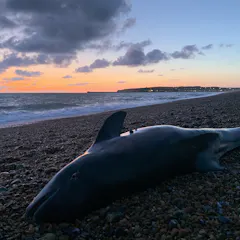
Three decades of data from UK harbour porpoises show mercury is still increasing despite a global treaty to reduce it.

To date, every family of marine mammal and seabird and all seven species of sea turtles have been documented to ingest plastics.
Tires are complex chemical products. When they wear away, they release additives into the environment that can poison wildlife.
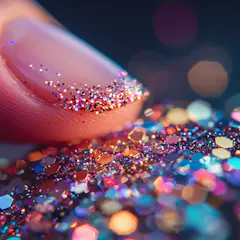
New research shows microplastics in glitter can disrupt how marine life builds its shells and reefs.
How a three-year investigation into chemical pollution began.
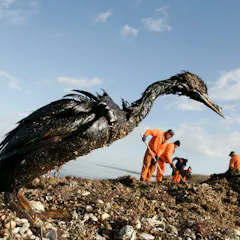
The environmental damage and loss of wildlife are the hidden costs of conflict.

8 million metric tons of plastic wind up in Earth’s oceans annually, where marine animals are exposed to this pollution and its potential health effects.
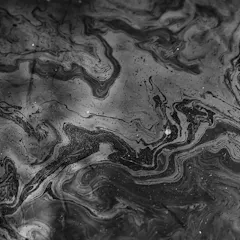
Oil and gas companies operating in the North Sea are regularly breaching legal limits and releasing too much polluted wastewater, a new report claims.

New research shows how marine debris from continents across the southern hemisphere threatens Antarctica’s remote coastline and unique marine ecosystems. Foreign organisms might be hitching a ride.
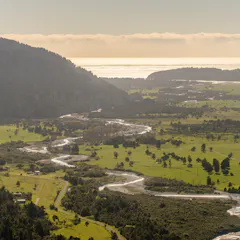
Over 200 million tonnes of sediment are transported by rivers to the sea each year, the most widespread water contaminant in the country. Its devastating impact on marine life has to be reversed.
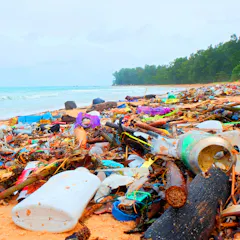
Volunteers have been collecting and sorting washed-up rubbish on the beach for years. Thanks to their efforts, we have data on whether container deposit schemes help the issue.
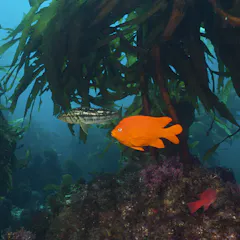
Humans rely on the ocean for food, jobs and other resources, but these systems are being stressed to the brink.
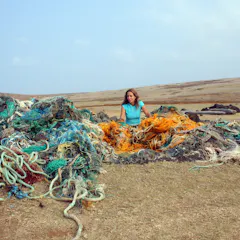
Pam Longobardi collects and documents ocean plastic waste and transforms it into public art and photography. Her work makes statements about consumption, globalism and conservation.
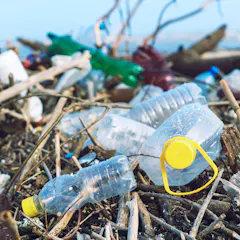
Many countries export their plastic waste abroad – but the mismanagement of this plastic waste is one of the leading causes of plastic pollution in nature.
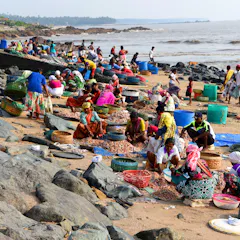
Facing human threats, Mumbai’s Koli community are taking risk reduction into their own hands – other vulnerable coastal settlements should take note.
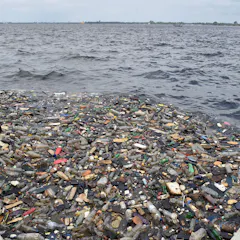
The oceans bordering West African countries are in grave danger from pollution; checking further degradation is crucial for human survival.

When humans eat fish, mussels and other foods containing antibiotics, the residual antibiotics may cause bacterial pathogens to become resistant.

Priority should be given to improving municipal solid waste management in First Nation communities because they currently lack financial resources, infrastructure and solid waste diversion programs.

The thing that makes hooded blankets comfy and unnaturally soft is also what makes them bad for the environment and our health.
Top contributors
-

Regents' Professor of Art and Design, Georgia State University
-
Lecturer in Ornithology, Charles Sturt University
-
Postdoctoral Researcher, Toxicology, Institute of Zoology, Zoological Society of London
-
Professor in Forensic and Environmental Science, University of Staffordshire
-
Professor of Chemistry, Flinders University
-
Communication Manager - CSIRO Oceans and Atmosphere, CSIRO
-
Research fellow, King's College London
-
Director, FitzPatrick Institute of African Ornithology, University of Cape Town
-
Senior Lecturer, Sydney Southeast Asia Centre, University of Sydney
-
Research Scientist, Stanford University
-
Principal Researcher, James Cook University
-
Senior Director, UBC Sustainability Hub, University of British Columbia
-
Marine Scientist, James Cook University
-
Professor of Experimental Photobiology, King's College London
-
Senior Lecturer in Biology, The Open University