
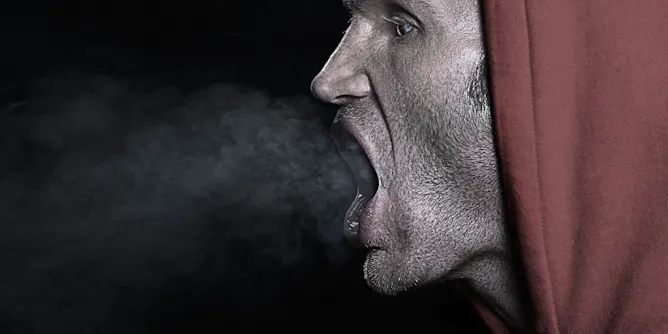
Estimates vary as scientists don’t have universal standards for researching microplastics.
Articles on Microplastic pollution
Displaying 1 - 20 of 36 articles

Many hedgehogs have become reliant on human-provided food.

The material of your coffee cup matters more than you might think.

Researchers developed a new method to remove microplastics from water.

Nanoplastics can cross the blood-brain barrier – and being able to better detect them is the first step in addressing their potential impact.

Lobbyists and petrostates want to avoid a strong focus on human health in the impending global treaty on plastic pollution.
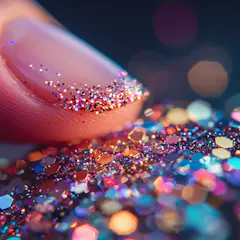
New research shows microplastics in glitter can disrupt how marine life builds its shells and reefs.

How much microplastic does a city produce? To find out, we looked at Brisbane’s Moreton Bay, where microplastics build up without being washed away
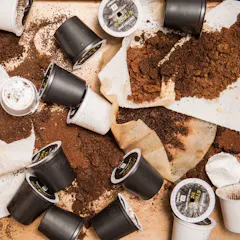
As concern about plastic pollution mounts, the federal government is revising its standards for calling products recyclable. A recent fine against Keurig could be a sign of things to come.
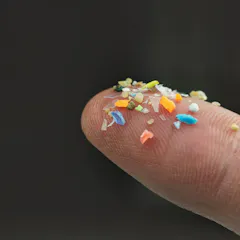
Global action is urgently needed to tackle microplastic – and the problem has never been more pressing.
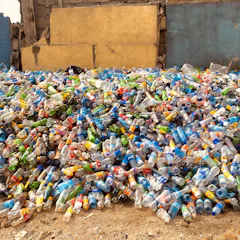
Nigeria is one of the top three plastic pollution hotspots globally.
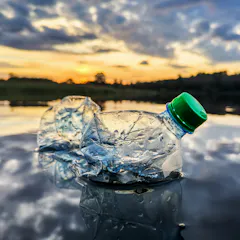
Understanding how plastic pollution moves in rivers is key to effective cleanup strategies.
Nanoplastics are the smallest microplastics, far narrower than a human hair. Very little is known about their composition, structure or how they break down in the environment.
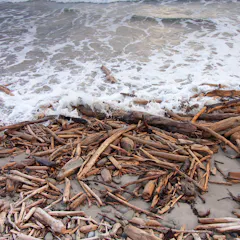
Pollution on land inevitably ends up in the sea. Policy makers must stop working in silos and instead consider the indirect consequences human impacts on land have for marine environments.

The level of microplastic pollution in Osun River may be the highest in the world. Banning single-use plastics may help.
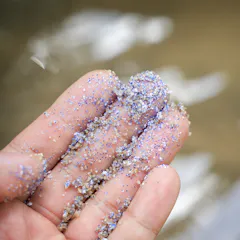
Microplastics are created when everyday products – including clothes, food and beverage packaging, home furnishings, plastic bags, toys and toiletries – degrade.

We sampled sewage sludge from 13 wastewater treatment plants across three states. We found every resident adds microplastics to farmland, in dried sewage sludge (biosolids) used as fertiliser.
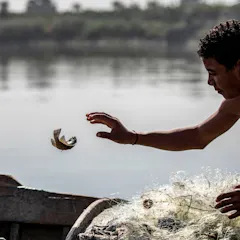
The River Nile is contaminated with microplastics.

Five reasons to avoid glitter, even on Christmas cards or baubles.
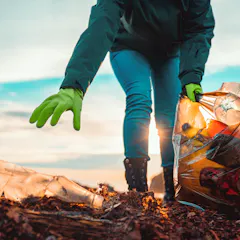
Media coverage of the dangers of plastic pollution can distract from what is actually needed, says an author.
Top contributors
-

Senior Lecturer in Environmental Chemistry(Legacy and Emerging Contaminants), Federal University of Technology, Akure
-
Research Director, Australian Microplastic Assessment Project (AUSMAP); Honorary Senior Research Fellow, School of Natural Sciences, Macquarie University
-
Research Fellow, Sustainability Research Institute, University of East London
-
Professor, Obafemi Awolowo University
-
Honorary Professor, School of Natural Sciences, Macquarie University
-
Researcher, School of Chemistry, University of the Witwatersrand, University of the Witwatersrand
-
Senior Marine Ecosystem Services Researcher, Plymouth Marine Laboratory
-
Chair professor, University of Strathclyde
-
Lecturer, Griffith University
-
Senior Lecturer, Ecotoxicology and Conservation Unit, Department of Zoology, Faculty of Science, University of Lagos
-
Academic Casual, School of Natural Sciences, Macquarie University
-
Professor of Atmospheric Chemistry, University of Canterbury
-
CSIRO
-
Director, Australian Rivers Institute, Griffith University
-
Associate Professor of Engineering and Co-Director, Convergent Behavioral Science Initiative, University of Virginia