

New research finds tiny particles in the atmosphere had been carried nearly 100km. Should we be worried?
Articles on Microplastics
Displaying 141 - 160 of 174 articles
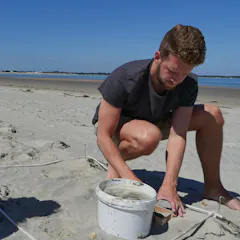
Volunteers from all over the world are taking part in a citizen science project to help scientists work out how bad microplastic pollution really is.

Populations of freshwater species are in a state of deep decline. But we know why and we can reverse the trend.
A plastic bag has an average usage time of 20 minutes, while it can take up to 1000 years to break down in the environment.
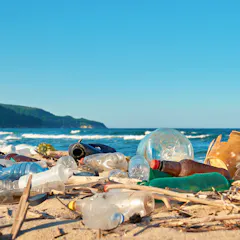
While the world gathers to negotiate on climate change, governments must recognise the public desire for action on plastic pollution and work together to solve it.
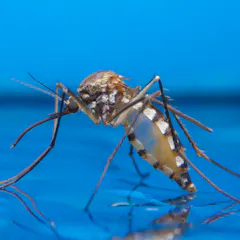
Mosquitoes are transferring microplastics eaten in water into birds and other non-marine animals.
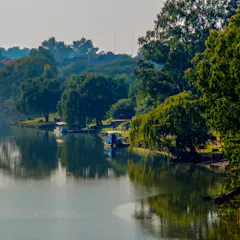
South Africa needs to strengthen its response to plastic pollution.
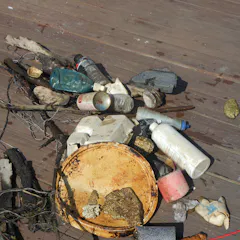
Roughly 10,000 tons of plastic enter the Great Lakes every year, and scientists want to know where it ends up. There are some parallels to ocean plastics, but also important differences.
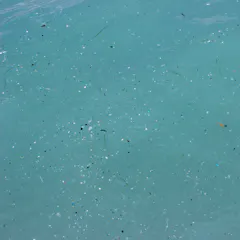
Microplastics are everywhere–our water, soil, and even the air we breathe. The consequences of this exposure on human health is unknown. But studies in animals give us reason to worry.
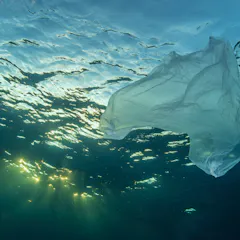
Tech fixes to environmental problems are guaranteed to grab attention, but real change for the planet requires community organising.

Preliminary results of a study have shown microplastics have reached in a newly revealed Antarctic environment.

Microplastics in seafood are well recorded but there are many other sources.
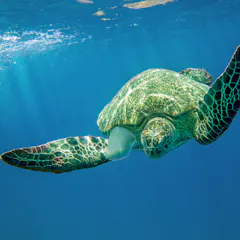
Little chunks of plastic are now scattered throughout the oceans and pollute most beaches around the world, including the nesting sites of threatened and endangered sea turtles.
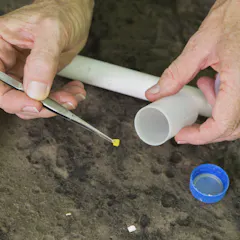
Ocean plastic has made a big splash, but there may be even more microplastic on land. The problem is that we have no idea exactly how much is in Australian soil, where it is, and what it’s doing.
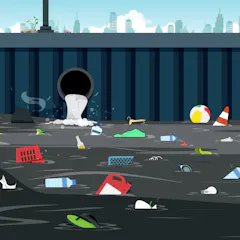
How to cut down on toxic chemicals found in common household products.
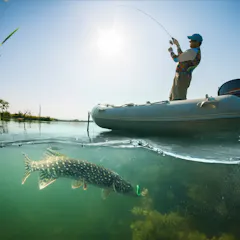
Ocean plastic has gained notoriety, but we’re starting to realize that microplastics pollute our freshwater and terrestrial ecosystems too.
The technology underlying Bitcoin is starting to spread its wings.
Plastics and microplastics in the marine environment are one of the great cause célèbre of our era. Here’s what we know and don’t know.

Summer may have come to an official end, but the plastics from your bathers might still be at the beach!
Plant-based, sustainable plastics may hold many of the answers to our plastic problems.
Top contributors
-

Lecturer in Ornithology, Charles Sturt University
-
Assistant Professor of Ecology and Evolutionary Biology, University of Toronto
-
Professor of Animal Development, Leiden University
-
Postdoctoral Researcher at Leiden University, Associate Scientist II at Stowers Institute, Developmental Biology, Molecular Biology and Nanotoxicology, Leiden University
-
Research Chair, Indigenous Approaches to Environmental Management, Keele University
-
Professor of Law and Associate Dean for International Affairs, Wake Forest University
-
Professor in Forensic and Environmental Science, University of Staffordshire
-
Associate Professor in Environmental Sciences, University of Southampton
-
Research Director, Australian Microplastic Assessment Project (AUSMAP); Honorary Senior Research Fellow, School of Natural Sciences, Macquarie University
-
Professor of Sustainable Development, Keele University
-
Associate professor, University of Portsmouth
-
Honorary Professor, School of Natural Sciences, Macquarie University
-
Associate Professor of Lake and Freshwater Science, University of Waikato
-
Senior Marine Ecosystem Services Researcher, Plymouth Marine Laboratory
-
Academic Casual, School of Natural Sciences, Macquarie University