
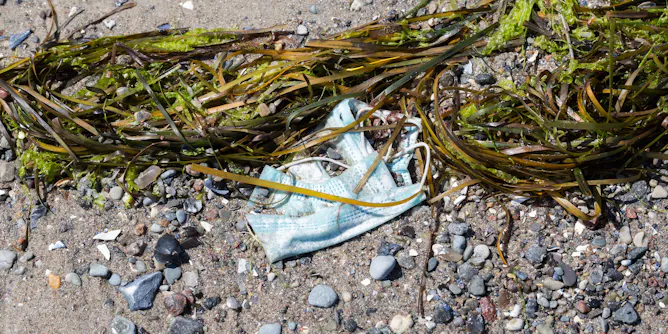
As face marks and coverings become compulsory worldwide, littering and their potential impact on the environment increases.
Articles on Microplastics
Displaying 121 - 140 of 174 articles
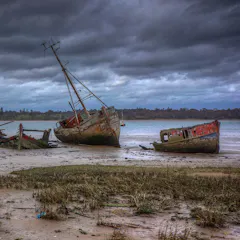
Too many small yachts and speedboats are simply being abandoned to shed toxins and microplastics into the sea.
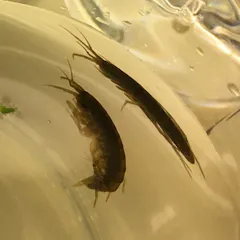
The discovery that such a common animal can rapidly produce vast numbers of nanoplastics is particularly worrying.
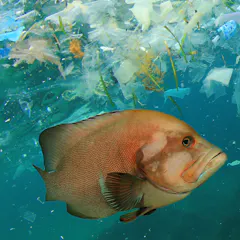
Plastic flows to the world’s waterbodies could double over the next two decades.
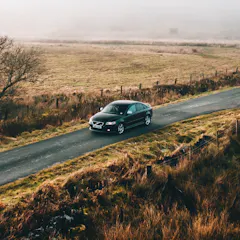
New research reveals how roads channel microplastics from car tires and brake pads to remote ocean habitats.
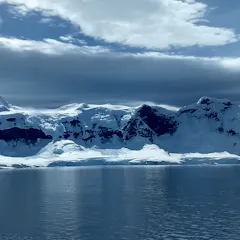
Our research on a remote Antarctic island found microplastics in the intestines of tiny animals.
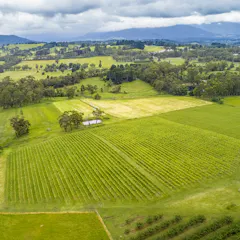
We must stop using biosolids for farmlands immediately, especially when alternative ways to recycle wastewater sludge already exist.
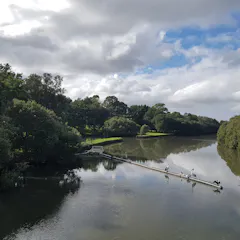
To inner west Sydneysiders, the Cooks River is known to be particularly polluted. But after a storm, microplastic particles increased more than 40 fold.
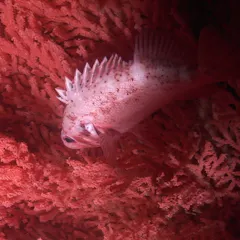
Here’s how microplastics from your clothes end up in the deep sea.
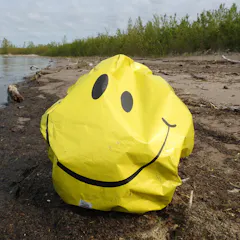
Releasing balloons at weddings and other celebrations is festive, until they break into pieces and become plastic pollution. A citizen science project is spotlighting the problem.
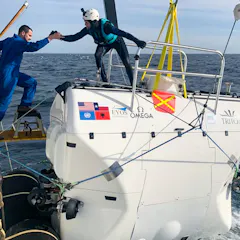
Unless we know what is in the ocean, we can’t protect the biggest part of the planet.
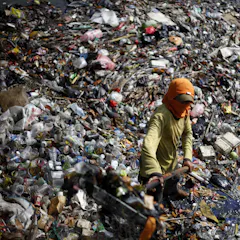
The study also finds the weight of plastic waste from all rivers in Jakarta totals 2.1 million kilograms equivalent to 1,000 Tesla Model S cars.
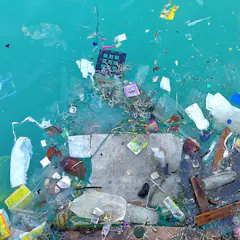
Many studies find microplastics have important negative effects on animals, but others don’t.
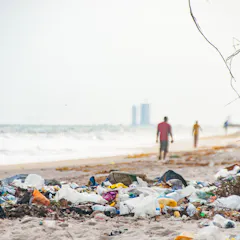
Nigeria’s government must encourage citizens to embrace a system where plastic never become waste.
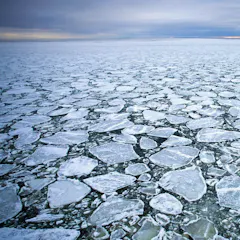
Levels of microplastics in the ocean are rising. More study is needed to figure out how these microplastics affect the qualities and properties of sea ice, and what the potential impact may be.
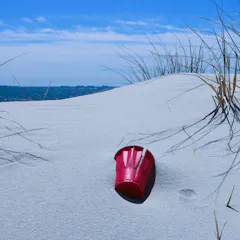
Where does plastic waste go when it reaches the ocean? For most of it, not far.
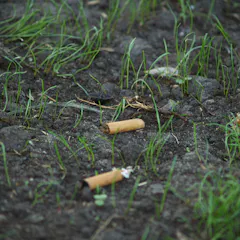
Our experiment shows we need to work out just how damaging discarded cigarettes are to plantlife.
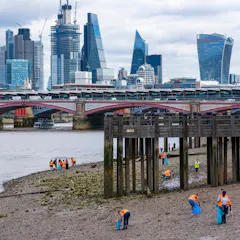
It’s not just the ocean we need to worry about – plastic is accumulating in the world’s rivers, too.
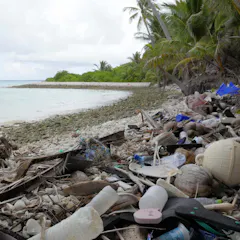
The entire Cocos (Keeling) Island group is a little more than twice the size of the Melbourne CBD. So it’s hard to envision 414 million debris items washed up there.

Biodegradable bags still strong enough to carry shopping after three years in the ground show that ‘biodegradability’ isn’t all it’s cracked up to be.
Top contributors
-

Lecturer in Ornithology, Charles Sturt University
-
Assistant Professor of Ecology and Evolutionary Biology, University of Toronto
-
Professor of Animal Development, Leiden University
-
Postdoctoral Researcher at Leiden University, Associate Scientist II at Stowers Institute, Developmental Biology, Molecular Biology and Nanotoxicology, Leiden University
-
Research Chair, Indigenous Approaches to Environmental Management, Keele University
-
Professor of Law and Associate Dean for International Affairs, Wake Forest University
-
Professor in Forensic and Environmental Science, University of Staffordshire
-
Associate Professor in Environmental Sciences, University of Southampton
-
Research Director, Australian Microplastic Assessment Project (AUSMAP); Honorary Senior Research Fellow, School of Natural Sciences, Macquarie University
-
Professor of Sustainable Development, Keele University
-
Associate professor, University of Portsmouth
-
Honorary Professor, School of Natural Sciences, Macquarie University
-
Associate Professor of Lake and Freshwater Science, University of Waikato
-
Senior Marine Ecosystem Services Researcher, Plymouth Marine Laboratory
-
Academic Casual, School of Natural Sciences, Macquarie University