
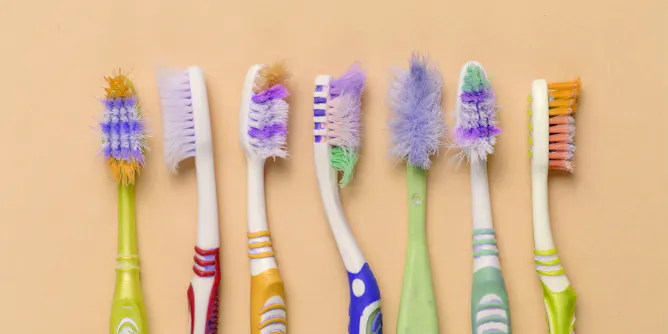
Why clean teeth may come at a dirty cost.
Articles on Microplastics
Displaying 21 - 40 of 174 articles

Nanoplastics can cross the blood-brain barrier – and being able to better detect them is the first step in addressing their potential impact.
During pregnancy, the placenta is the lifeline between mother and baby. It supplies the foetus with oxygen and nutrients, removes waste products and acts as a partial shield against harmful substances…
South Africa plans to ban plastic microbead particles that wash into the ocean and end up in the fish we consume. The ban may take two years to come into effect.
From your toothbrush to your bloodstream: how everyday plastics break down into fragments small enough to cross into your organs.
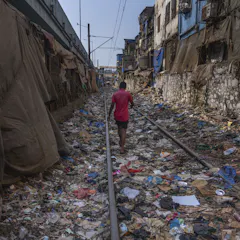
Cleanup is needed to mitigate ecological, economic and social impacts of plastic pollution now and in the future.

International efforts to reach agreement on reducing plastic pollution are disappointing. But we don’t need to wait for a treaty to make changes in our own lives.
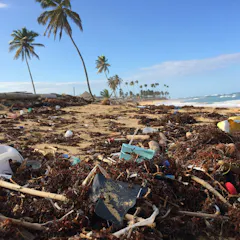
Scientists are discovering more microbes with the natural ability to break down plastic.

Microplastics in your blood? Orlando Bloom thinks so. Here’s what the science says about detox, dialysis and whether “cleaning” your blood really works.
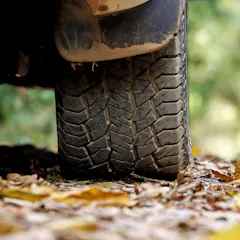
Rain storms wash those tire shards into streams and ultimately into lakes and oceans. That’s bad news for fish and other aquatic life.
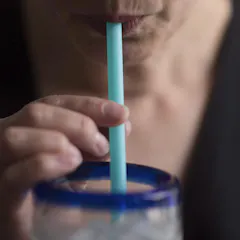
A healthy and sustainable planet means supporting action based on scientific evidence, not misinforming people with catchy phrases and political rhetoric.
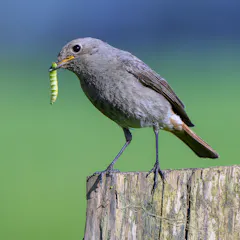
Scientists have tracked microplastics in small creatures in the UK.
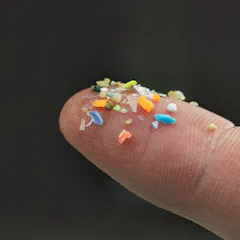
Microplastics are accumulating in our food, water, air and bodies – yet UK regulations aren’t designed to reduce them.
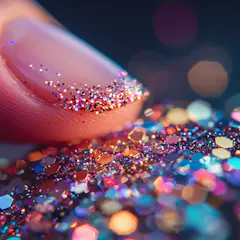
New research shows microplastics in glitter can disrupt how marine life builds its shells and reefs.

Soil erosion, water pollution, waste production and the loss of biodiversity are among multiple pressures degrading New Zealand’s environment.
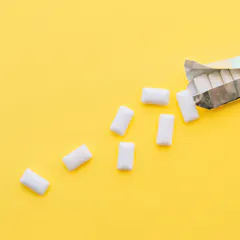
Natural and synthetic chewing gum release microplastics. But there is still no evidence that they cause harm.

A new study concluded that microplastics could reduce photosynthesis by as much as 12% in certain plants.
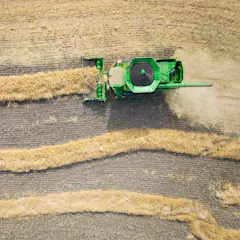
Without swift and effective action, composting may become an environmental crisis, rather than a solution.

A bird might look and act outwardly healthy – but on the inside, ingested plastics are slowly wreaking havoc.

To deal with microplastic pollution, it helps agencies to know what kind of plastic they’ve got on their hands.
Top contributors
-

Lecturer in Ornithology, Charles Sturt University
-
Assistant Professor of Ecology and Evolutionary Biology, University of Toronto
-
Professor of Animal Development, Leiden University
-
Postdoctoral Researcher at Leiden University, Associate Scientist II at Stowers Institute, Developmental Biology, Molecular Biology and Nanotoxicology, Leiden University
-
Research Chair, Indigenous Approaches to Environmental Management, Keele University
-
Professor of Law and Associate Dean for International Affairs, Wake Forest University
-
Professor in Forensic and Environmental Science, University of Staffordshire
-
Associate Professor in Environmental Sciences, University of Southampton
-
Research Director, Australian Microplastic Assessment Project (AUSMAP); Honorary Senior Research Fellow, School of Natural Sciences, Macquarie University
-
Professor of Sustainable Development, Keele University
-
Associate professor, University of Portsmouth
-
Honorary Professor, School of Natural Sciences, Macquarie University
-
Associate Professor of Lake and Freshwater Science, University of Waikato
-
Senior Marine Ecosystem Services Researcher, Plymouth Marine Laboratory
-
Academic Casual, School of Natural Sciences, Macquarie University